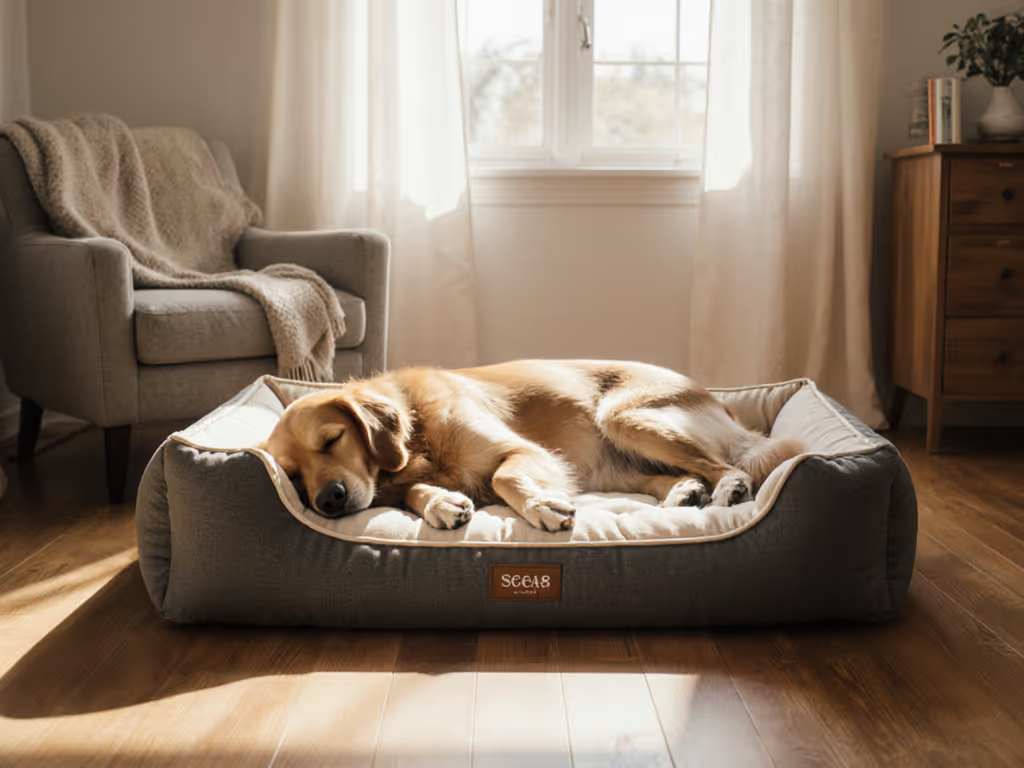
Dog Bed Resale Value Guide: Preserve & Profit
By Mateo Álvarez • 13th Jan
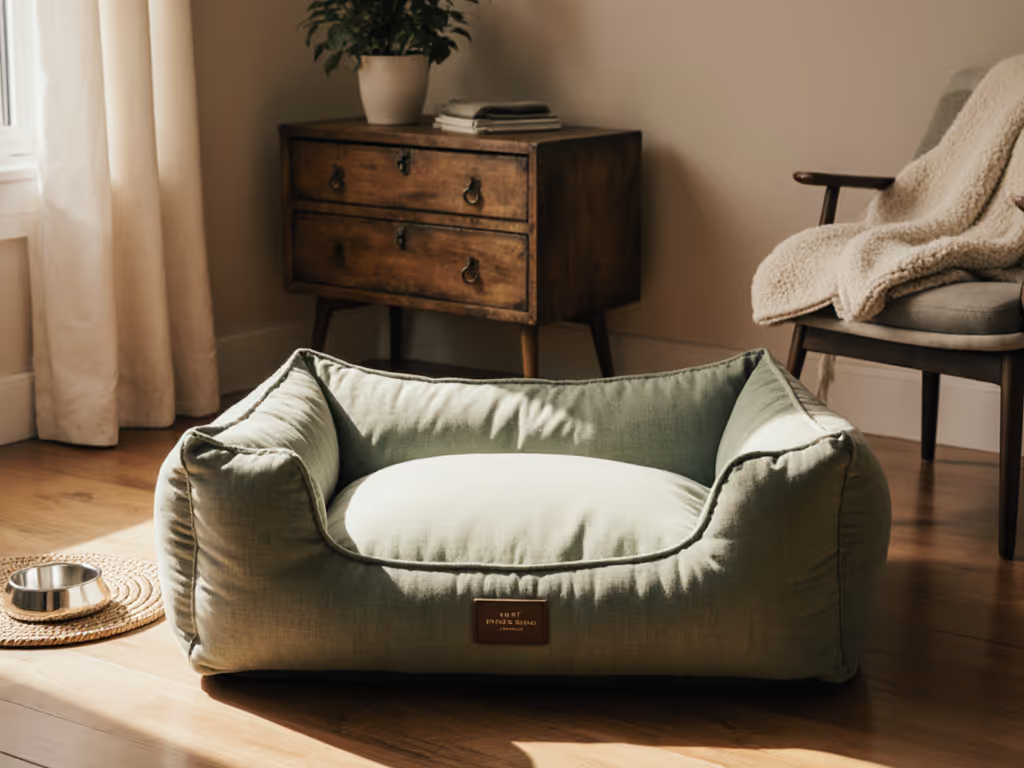
Understanding dog bed resale value is becoming essential for conscientious pet parents who want to invest wisely in their dog's comfort while being mindful of their budget and the planet. As more pet owners enter the second-hand dog bed market, they're discovering that not all beds hold value equally, and that's where smart choices at purchase time pay dividends later. With today's focus on sustainability and reducing waste, knowing how to maintain and eventually resell your pet's bed can transform an ordinary purchase into a long-term investment in your dog's wellbeing.
Why should I care about dog bed resale value?
Most pet owners discover too late that their dog bed won't last beyond a year or two. This "buy-and-replace" cycle costs money and creates unnecessary waste. By understanding depreciation patterns upfront, you can:
- Make smarter initial purchases that deliver better value over time
- Reduce the environmental impact of discarded beds
- Recoup some costs when it's time to upgrade
- Ensure your dog always has appropriate support as they age
I worked with a client whose large breed dog needed orthopedic support. She replaced three beds in two years before learning how to evaluate long-term value. Now she rotates two quality beds that maintain their support, and she'll likely recoup 30-40% of her investment when she eventually sells them. This highlights why sustainable ownership matters (it's not just eco-friendly, it's budget-friendly too). For a data-backed look at long-term value, see our 3-year cost-per-use analysis.
How quickly do dog beds typically lose value?
Understanding dog bed depreciation rates is crucial. Unlike furniture that appreciates with age, most dog beds lose value rapidly due to wear and tear. Here's a realistic timeline:
- First 6 months: 15-25% depreciation (if well-maintained)
- 6-18 months: 30-50% depreciation (normal wear becomes visible)
- 18-36 months: 60-75% depreciation (significant flattening or wear)
- Beyond 36 months: 80%+ depreciation (minimal resale value)
Premium orthopedic beds and those with replaceable components depreciate more slowly, often retaining 40-50% value at 24 months if properly maintained. To avoid premature flattening, match foam to your dog's weight with our memory foam density guide. This makes them the smarter long-term investment despite their higher initial cost.
What factors help maintain dog bed value?
Start simple, fit the climate, reward the rest.
The key to preserving value lies in proper selection, maintenance, and usage from day one. Consider these factors:
Material selection matters most
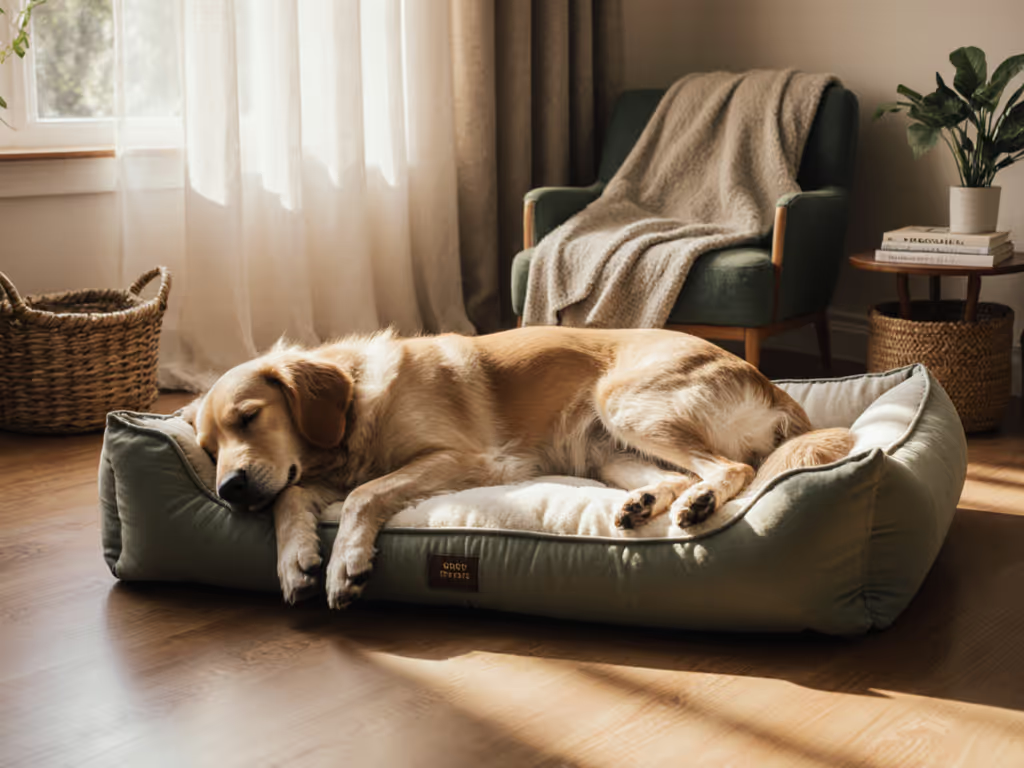
- Breathable, natural fibers (cotton, hemp, bamboo) maintain integrity longer than synthetics
- Orthopedic foam with CertiPUR-US certification retains shape better
- Removable, machine-washable covers prevent permanent stains
- Zippered construction allows for component replacement
Usage patterns affect longevity
- Beds in low-traffic areas (not doorways or main walkways) stay cleaner
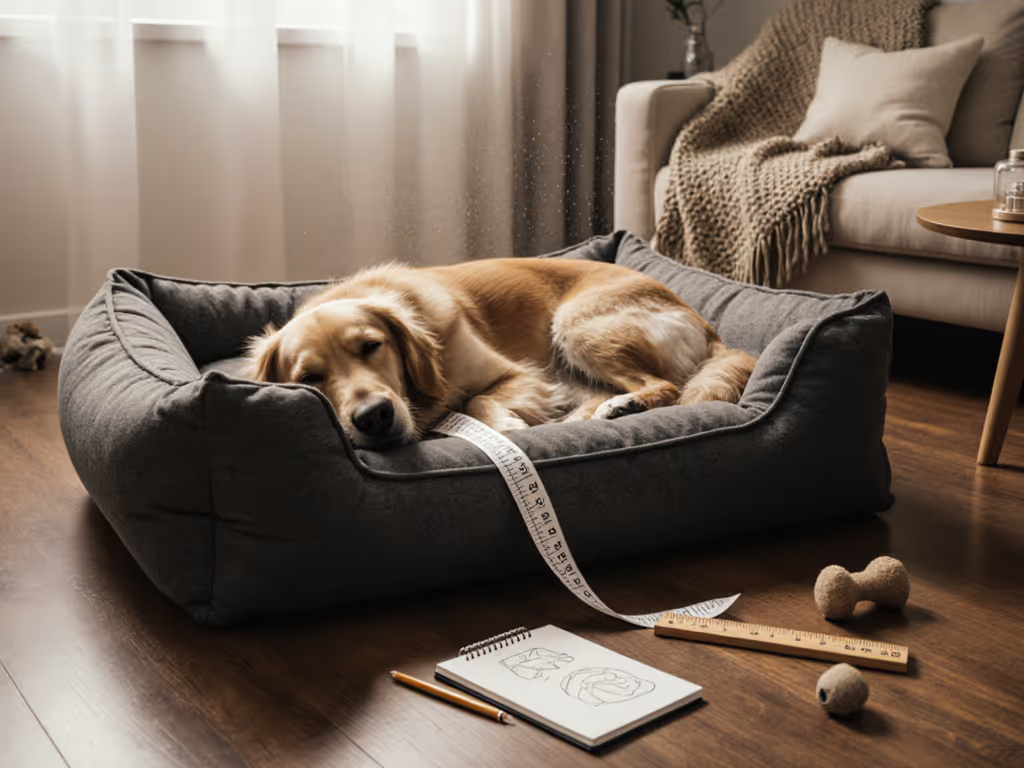
- Proper sizing reduces stress points, dogs shouldn't hang off edges
- Climate-appropriate materials prevent overheating damage (a common issue)
Remember my nervous rescue who would pace until midnight? We swapped his heat-trapping plush pad for breathable cotton and immediately reduced fabric stress. Small changes like this extend a bed's lifespan dramatically. Maintaining dog bed value starts with matching materials to your dog's sleep style and your home environment.
How should I prepare a dog bed for resale?
Cleaning is the most critical step for maximizing used dog bed valuation. Follow this simple checklist:
- Remove all hair and debris with a rubber glove or specialized pet hair remover
- Pre-treat stains with enzymatic cleaner (never fabric softener or bleach)
- Wash according to manufacturer's instructions, cold water is usually safest
- Dry completely, residual moisture causes mustiness that's hard to remove
- Replace worn components if possible (new cover, fresh foam insert)
- Photograph in natural light showing all angles and features
Avoid fragrance-heavy products that mask odors, these typically repel serious buyers who want to assess the bed's true condition. Breathable materials that air out quickly will always command higher prices.
Where's the best place to sell a used dog bed?
The second-hand dog bed market has expanded significantly, with several viable options:
- Specialty pet resale platforms (like Pawpaw or Preloved Pets) often yield the highest prices
- Local pet groups on Facebook Marketplace or Nextdoor attract buyers who want to inspect beds in person
- Breed-specific forums where enthusiasts seek quality gear for their particular dogs
- Thrift stores with pet sections (like some Salvation Army locations) accept high-quality beds
Vintage or antique dog beds (like those ornate 19th-century pieces sometimes found at 1stDibs) follow different valuation rules than modern beds (they're collectibles rather than functional items). For contemporary beds, focus on condition, brand reputation, and whether components are replaceable.
How do I accurately value my used dog bed?
Used dog bed valuation requires careful assessment. Consider these factors:
- Original price point: Higher quality beds retain more percentage value
- Current condition: Any flattening, tearing, or permanent stains reduce value
- Remaining useful life: Orthopedic beds lose value faster once support diminishes
- Replaceable parts: Beds with available replacement covers/foam maintain value
- Seasonal demand: Cooling beds sell better in summer; plush beds in winter
For standard beds, expect 20-35% of original value after one year of normal use. Premium orthopedic beds with CertiPUR-US foam might retain 40-50%. Always disclose any wear honestly, this builds trust and prevents returns. Warranty coverage can also boost buyer confidence—compare brands in our dog bed warranty guide.
Are dog bed trade-in programs worth considering?
Some manufacturers now offer dog bed trade-in programs, though they're still limited. These typically:
- Provide store credit (not cash) for your old bed
- Require the bed to be in fairly good condition
- Apply only to specific brands or models
- Often have restrictions on age or size
While convenient, these programs rarely offer the best financial return compared to private resale. However, they do guarantee proper recycling if the bed can't be resold. Check with manufacturers like Big Barker or PetFusion to see if they offer trade-in options for their premium models.
What's the single most important factor for preserving value?
Without question, material breathability determines longevity. Beds that allow airflow prevent the moisture buildup that degrades foam and fabric over time. I've seen identical beds (one in a humid climate with non-breathable fabric that flattened in 8 months, and another in the same climate with breathable linen that maintained support for 3+ years). Small, consistent steps (plus breathable materials) solve most sleep struggles and preserve value.
What should I do next to maximize my dog bed investment?
Take these actionable steps today:
- Audit your current bed: Is it appropriate for your climate and your dog's sleep style?
- Check for replaceable components: Order extra covers if available
- Establish a cleaning routine: Wash covers every 2-3 weeks to prevent deep staining
- Monitor support: If foam flattens significantly, replace just the insert
- Document your purchase: Keep receipts for potential resale value verification Knowing when to exit matters too—watch for these dog bed replacement signs.
Start simple, fit the climate, reward the rest.
By approaching dog bed ownership with preservation in mind, you'll enjoy better value, reduce waste, and provide consistent comfort for your dog. When it's eventually time to part with your bed, you'll have done everything possible to maintain its value in the growing second-hand market. Remember that each small step toward proper care compounds over time (both for your dog's comfort and your wallet's health).
Related Articles