Choose Dog Bed Memory Foam Density by Weight: Avoid Flattening
By Priya Nandakumar • 10th Nov
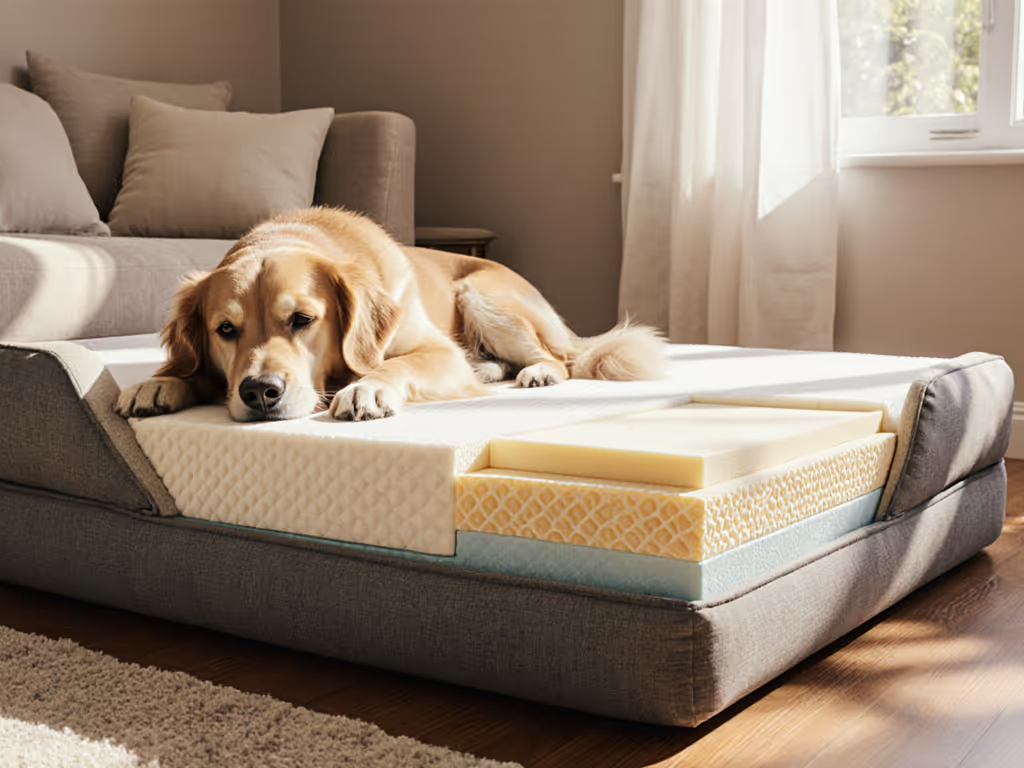
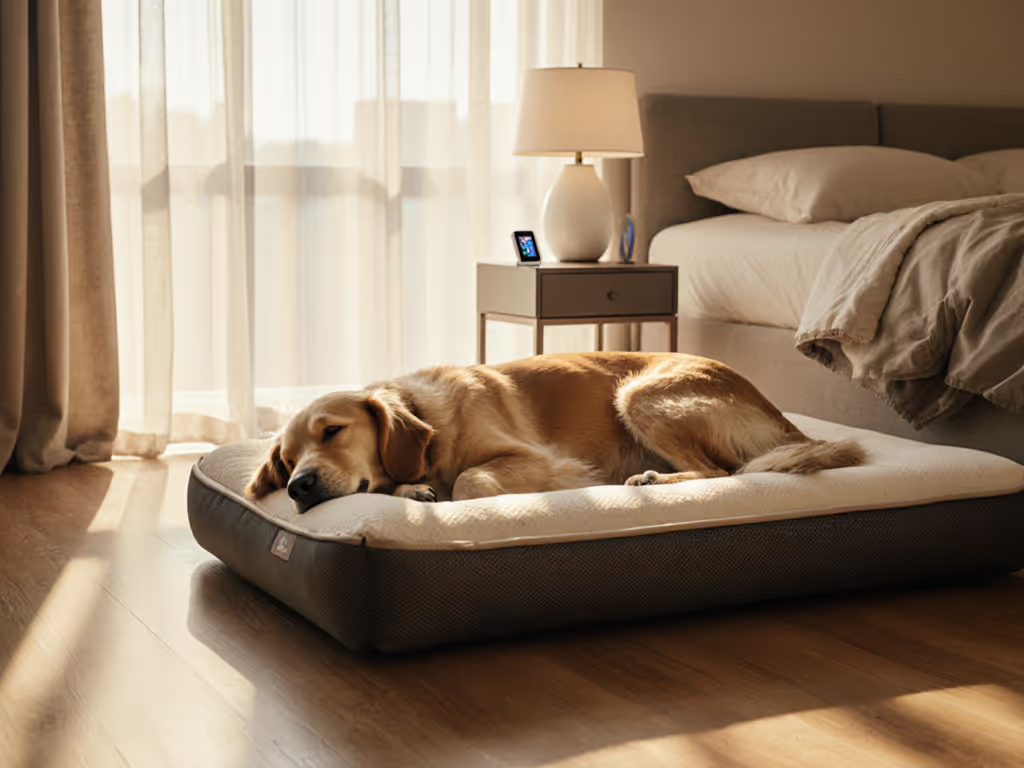
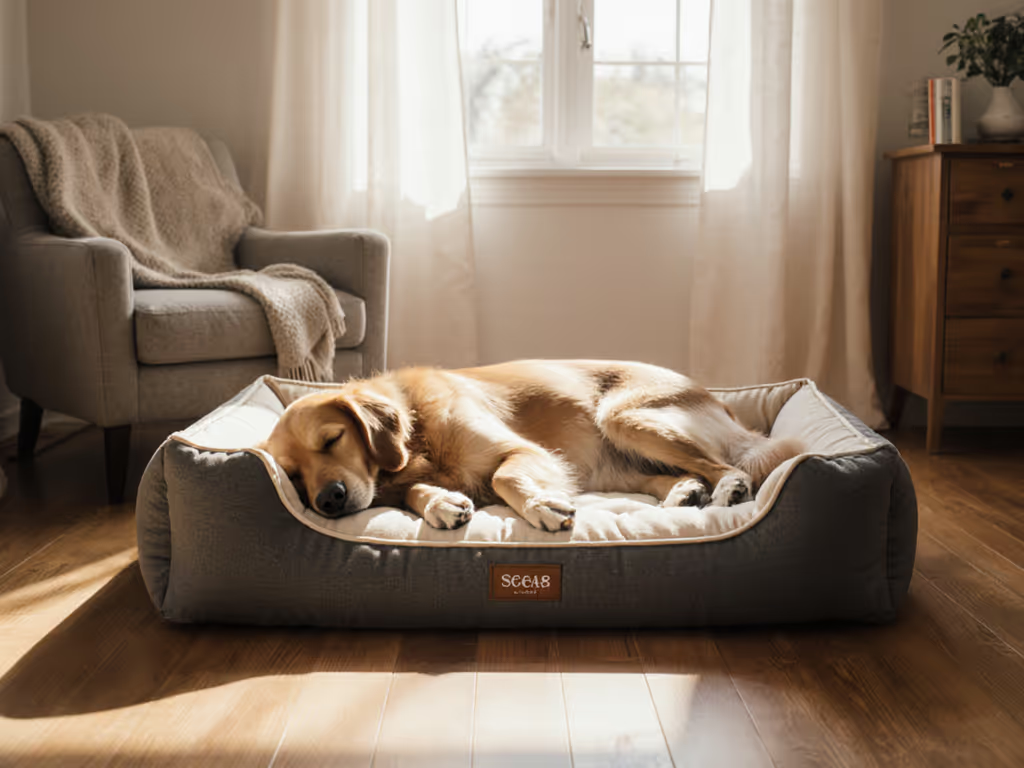
If your dog's bed has flattened into a sad pancake within months, you're not alone. Too many pet parents learn the hard way that not all dog bed memory foam delivers true orthopedic support benefits. The secret isn't just thickness (it's matching foam density to your dog's weight for lasting support). When I track the cost per night of dog beds in my spreadsheets (a habit born of landfill-bound regret), the ones that survive years share a common trait: engineered density meeting actual weight demands. Value is lifespan, not list price.
Why does foam density matter more than just thickness for dog beds?
Thickness gets all the marketing attention, but density determines whether your investment lasts months or years. Think of it like comparing a cheap sponge to a yoga block (you might get similar initial height, but one collapses under weight while the other maintains structural integrity).
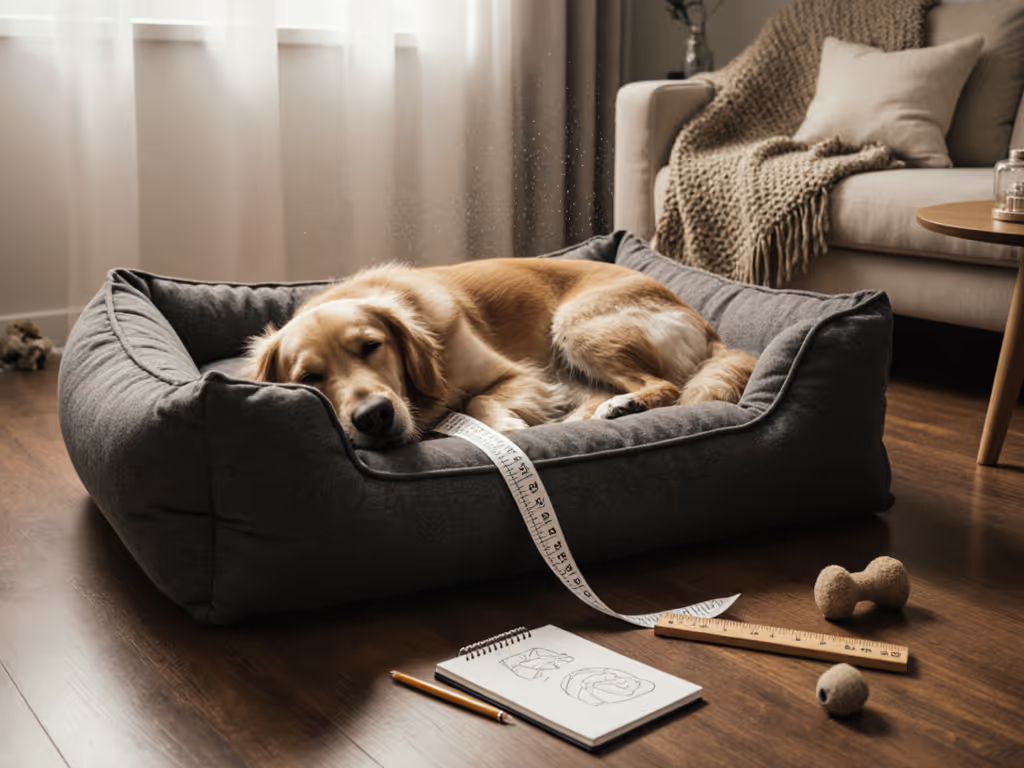
Measuring foam density isn't complicated (it's literally the weight of one cubic foot of foam). For genuine orthopedic support that won't flatten, your dog bed needs:
- 3.0+ lbs per cubic foot for basic durability (suitable for dogs under 50 lbs)
- 3.5+ lbs per cubic foot for medium-large breeds (50-100 lbs)
- 4.0+ lbs per cubic foot for giant breeds (100+ lbs)
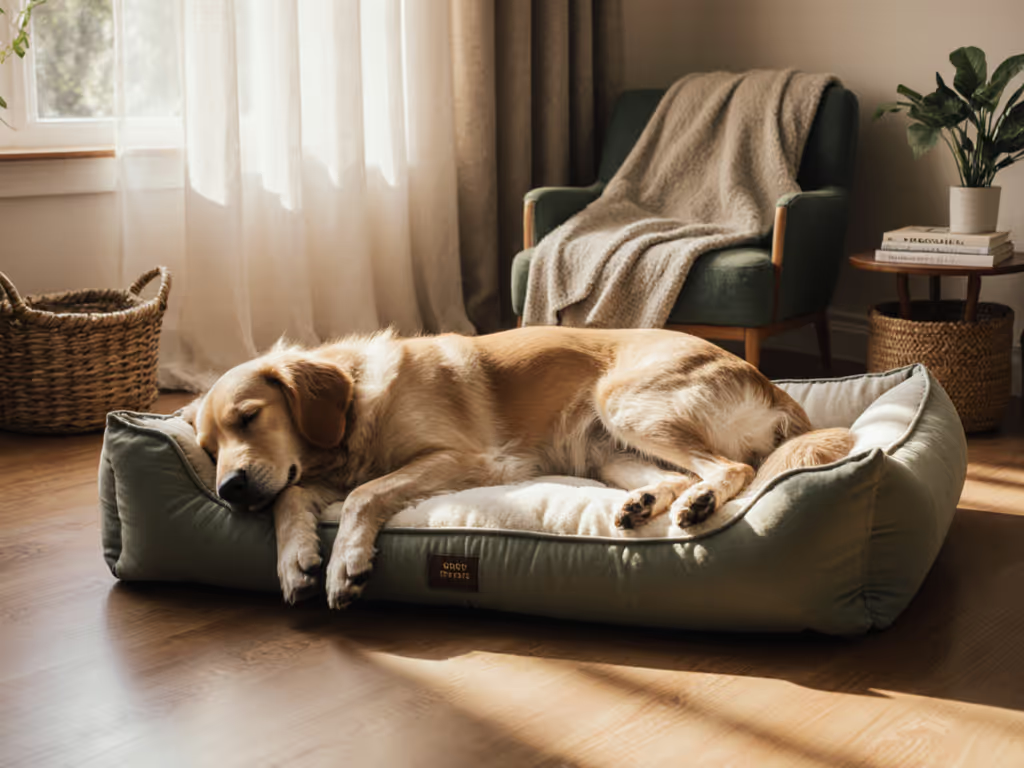
Lower-density foams (below 3.0 lbs) might feel plush initially but will compress permanently within months, especially under heavier dogs. This isn't just about comfort (it's about joint health). When foam flattens, your dog's pressure points lose cushioning, potentially worsening arthritis.
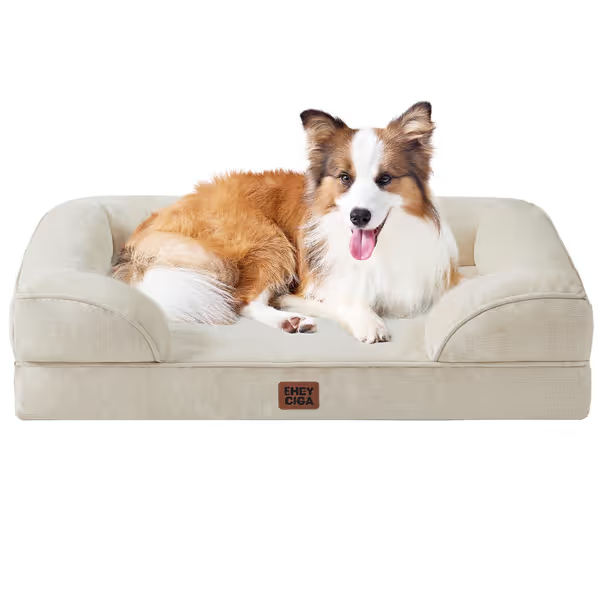
EHEYCIGA Orthopedic Memory Foam Dog Bed
Orthopedic support & comfort for large dogs with washable waterproof cover.
$43.99
Comfort LayerMemory & Egg-Crate Foam
Comfort LayerMemory & Egg-Crate Foam
Pros
Excellent orthopedic support for joint relief.
Three-sided bolster for head/neck comfort.
Removable, machine-washable cover with waterproof film.
Cons
Bolster sides are not waterproof.
Durability and thickness receive mixed user feedback.
Well-made, comfortable, and perfect for very large dogs with plenty of room for stretching out. Great value!
Well-made, comfortable, and perfect for very large dogs with plenty of room for stretching out. Great value!
What's the ideal memory foam density for different dog weights?
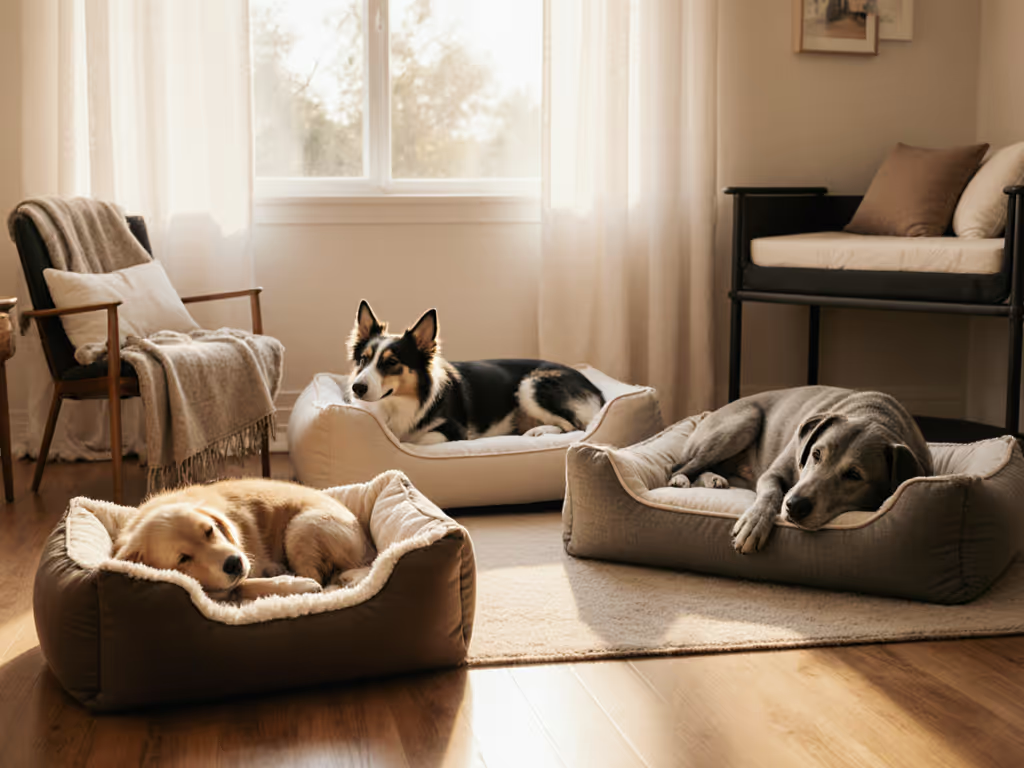
Forget one-size-fits-all recommendations. Your dog's weight dictates the minimum density required for lasting support. Here's my memory foam density chart based on real-world wear testing and manufacturer specifications:
| Dog Weight | Minimum Foam Density | Recommended Thickness | Critical Risk if Undersized |
|---|---|---|---|
| Under 25 lbs | 2.5 lbs/cu ft | 2-3 inches | Minimal flattening risk, but poor pressure relief for seniors |
| 25-50 lbs | 3.0 lbs/cu ft | 3-4 inches | Noticeable flattening in 6-9 months |
| 50-100 lbs | 3.5 lbs/cu ft | 4-5 inches | Rapid collapse compromising joint support |
| 100+ lbs | 4.0+ lbs/cu ft | 5-7 inches | Bottoming out within weeks, defeating orthopedic purpose |
Yes, heavier dogs need both thicker AND denser foam. A 120-pound Mastiff on 4-inch, 3.0 lb density foam will experience what I call "hammock effect" (sinking so deep that pressure points actually increase rather than decrease).
Spend once, maintain smart, and skip the landfill.
How can I accurately measure foam density when shopping?
Most manufacturers hide behind vague terms like "premium memory foam" or "orthopedic grade" without disclosing actual density. Your measuring foam density cheat sheet:
- Ask for the spec sheet (reputable brands provide density metrics in lbs/cu ft)
- Beware of H-ratings (like H10/H45), since these measure firmness, not density. You need both specs.
- Check compression claims: "maintains 90% loft after 5 years" is better than "never flattens"
- Verify CertiPUR-US certification (ensures no harmful chemicals, though it doesn't guarantee density)
When a brand says "high-density" without numbers, assume worst-case scenario. I've tested beds labeled "high-density" that measured only 2.8 lbs/cu ft (fine for a lap dog, disastrous for a senior Labrador).
What's the difference between memory foam and high-resilience foam for dogs?
Weight-appropriate foam support requires understanding material properties:
- Memory foam: Slow response, molds to body contours. Best for arthritic/senior dogs but can trap heat. Minimum density 3.5 lbs for medium+ breeds.
- High-resilience (HR) foam: Bouncy, quicker rebound. Better for hot sleepers but less conforming. Needs 2.5+ lbs density for equivalent support.
- Hybrid designs: Smart solution, with a memory foam topper (2-3") on an HR base (3-4"). Combines pressure relief with airflow. For a deeper breakdown of support materials, see our orthopedic vs memory foam comparison.
Many "memory foam" dog beds actually use low-density polyurethane foam that mimics memory foam's feel initially but lacks the supportive properties. True memory foam should show visible indentation that slowly rebounds (cheap alternatives flatten permanently).
How do I avoid the "flattening" problem that ruins so many dog beds?
Flattening isn't inevitable: it's a design failure. My 3-pronged approach to avoid landfill-bound beds:
- Density verification: Never buy without confirmed density specs matching your dog's weight
- Replaceable components: beds with removable foam cores let you refresh just the worn part
- Warranty reality check: "Lifetime" means nothing, look for a minimum 3-year structural warranty
I've repaired two beds by replacing only the foam insert while keeping the durable cover. That's total-cost-of-ownership thinking in action. Beds without replaceable parts force full replacement when the foam fails, no matter how pristine the cover remains.
What warranty terms should I look for to protect my investment?
Most dog bed warranties are marketing fluff. Cut through the hype with these warranty plain-speak red flags:
- ✘ "Lifetime warranty" without defined structural failure terms
- ✘ "Warranty void if washed" (a bed not washable is a ticking time bomb)
- ✓ Minimum 3-year guarantee against permanent compression (specific percentage)
- ✓ Coverage for foam degradation under normal use (not just manufacturing defects)
The best warranties I've encountered specify exact failure thresholds: "Foam shall not permanently compress more than 20% of original height within 3 years." Anything vaguer puts the burden of proof on you. To see how brands stack up, read our dog bed warranty comparison.
How can I extend the life of my dog's memory foam bed?
Proper maintenance turns a 1-year bed into a 4-year asset. My durability metrics show these practices deliver 2.3x longer lifespan:
- Rotate weekly: Prevent uneven wear from your dog's preferred sleeping position
- Air out monthly: Prevents moisture buildup that accelerates foam breakdown
- Use a waterproof liner: Protects against accidental damage without compromising airflow
- Deep clean every 3 months: Follow manufacturer instructions precisely (wrong detergents degrade foam). For step-by-step washing by bed type, use our washable dog bed care guide.
For beds with removable covers (a non-negotiable for me), I track maintenance in my spreadsheet. That data-driven habit transformed how I evaluate pet products; longevity isn't luck, it's design meeting maintenance.
Your Actionable Next Step
Before your next dog bed purchase, calculate your dog's minimum required foam density using this simple formula: (Weight in lbs ÷ 30) + 2.5 = minimum density in lbs/cu ft. Example: 80 lb dog needs at least 5.17 density (round up to 5.5 for safety margin).
Then, verify the manufacturer provides actual density specs (not just thickness claims). If they can't or won't share this number, assume it's below 3.0 and keep looking. Your dog's joints (and your wallet) will thank you when that bed still supports properly years later.
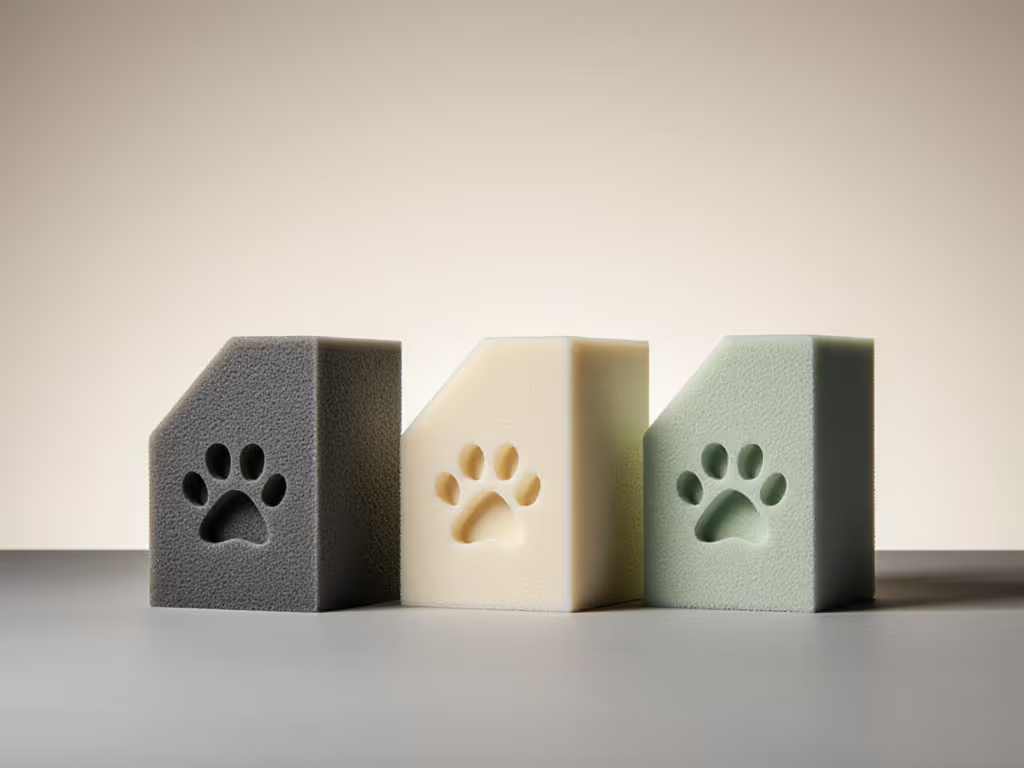
Remember: the cheapest bed is the one you never have to replace. Value is lifespan, not list price.
Related Articles