Dog Bed Replacement Signs: Silent Cues Your Pup Can't Verbalize
By Mateo Álvarez • 22nd Nov
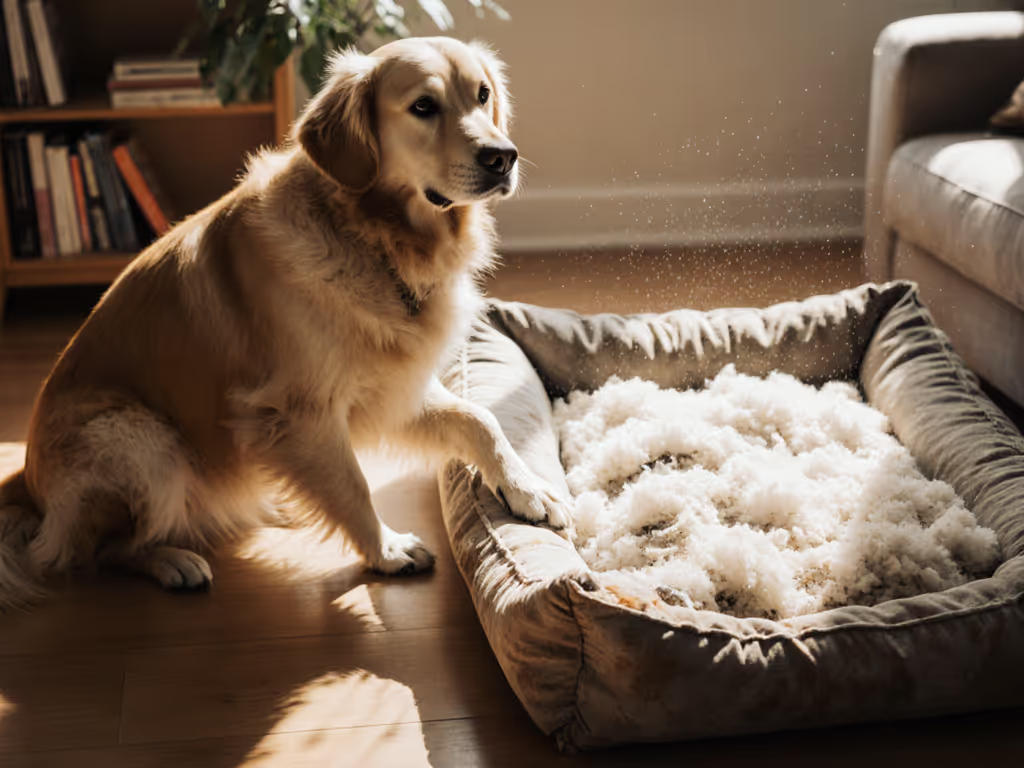
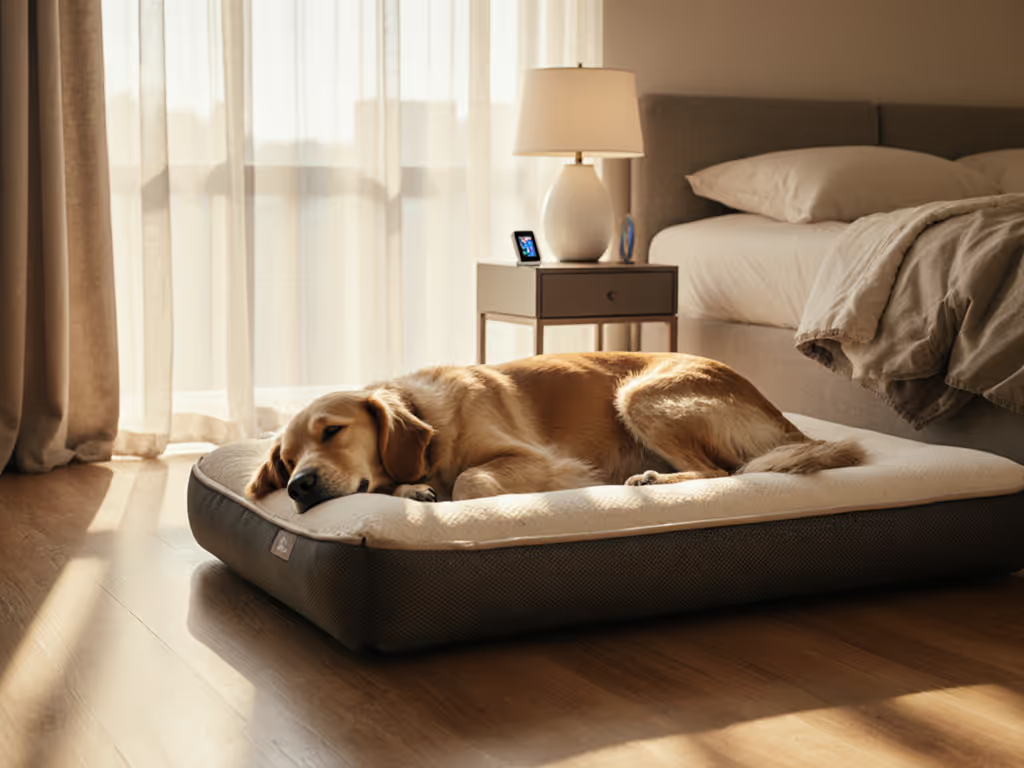
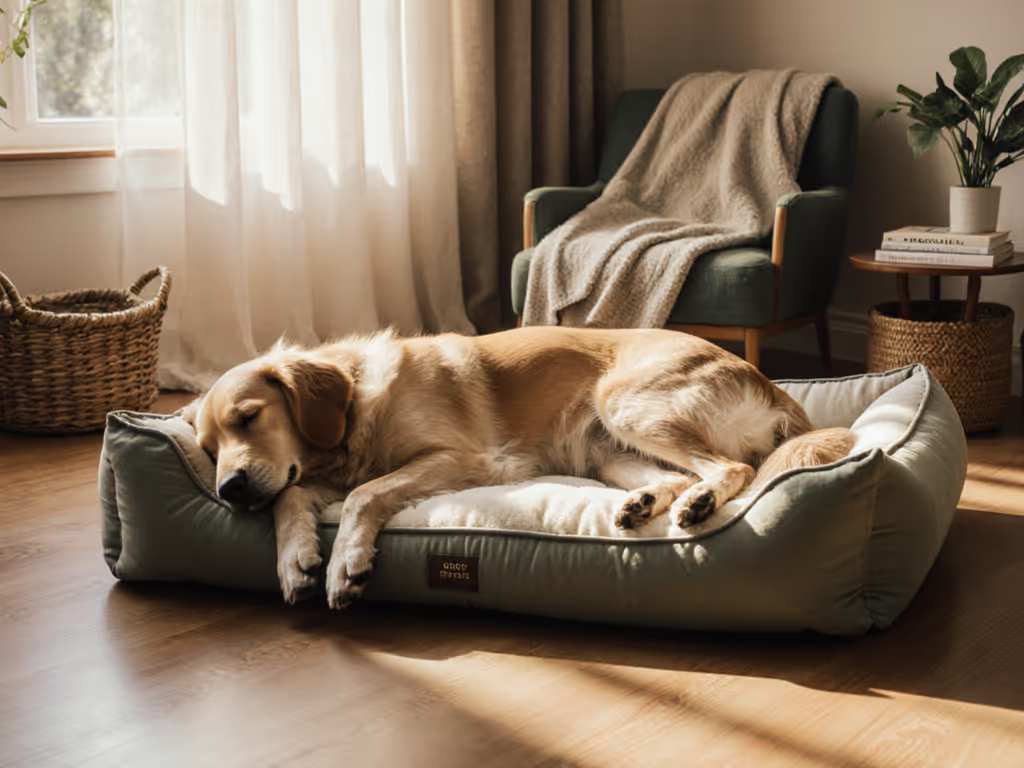
You've carefully chosen the perfect dog bed, yet somehow your pup still paces at bedtime or abandons their sleeping spot. Those dog bed replacement signs are easy to miss, but spotting them early prevents discomfort your dog can't verbalize. Knowing when to replace dog bed materials isn't just about aesthetics; it is foundational to their rest, joint health, and anxiety levels. I've guided hundreds of families through this, and here's what I know: small, breathable upgrades often solve sleep struggles where major overhauls fail. Start simple, fit the climate, reward the rest.
The Silent Signs Your Dog Communicates Through Behavior
Dogs convey discomfort through subtle shifts long before outright rejection. Watch for these dog bed comfort decline indicators:
- Restlessness during sleep: Waking frequently, rearranging blankets obsessively, or sleeping upright instead of curled up
- Avoidance behaviors: Choosing cold tile floors or your bed over their designated space
- Excessive licking or pawing at the bed fabric before settling
- New anxiety signs like pacing or whining near bedtime
Small steps, big sleep wins: Track these behaviors for 3 days with a simple log. Note temperature, recent washes, and your dog's energy level. Patterns will reveal whether the bed (or something else) is the culprit.
Physical Signs of Bed Deterioration: Your Inspection Checklist
Visible Wear You Can't Ignore
Dog bed deterioration signs often start where you least expect them. Complete this monthly check: If odors linger after washing, follow our washable dog bed care guide to eliminate bacteria without damaging fibers.
- Flip it over: Check for mold/mildew on the underside (common in humid climates even in heated homes)
- Squeeze test: Press firmly across the mattress. Does it bounce back evenly? Lumps or thin spots mean inadequate support
- Thud test: Drop a closed fist onto the bed. A hollow thud indicates compressed fill; a thump means healthy loft
- Sniff test: If mild detergent washing leaves lingering odors, bacteria have embedded in fibers
In my work, I saw a rescue pup who'd pant until midnight, until we swapped his heat-trapping plush pad for breathable cotton. Small changes, big relief. For warm climates or thick-coated breeds, prioritize open-weave fabrics that pass the airflow test: you should feel a breeze when blowing gently across the surface.
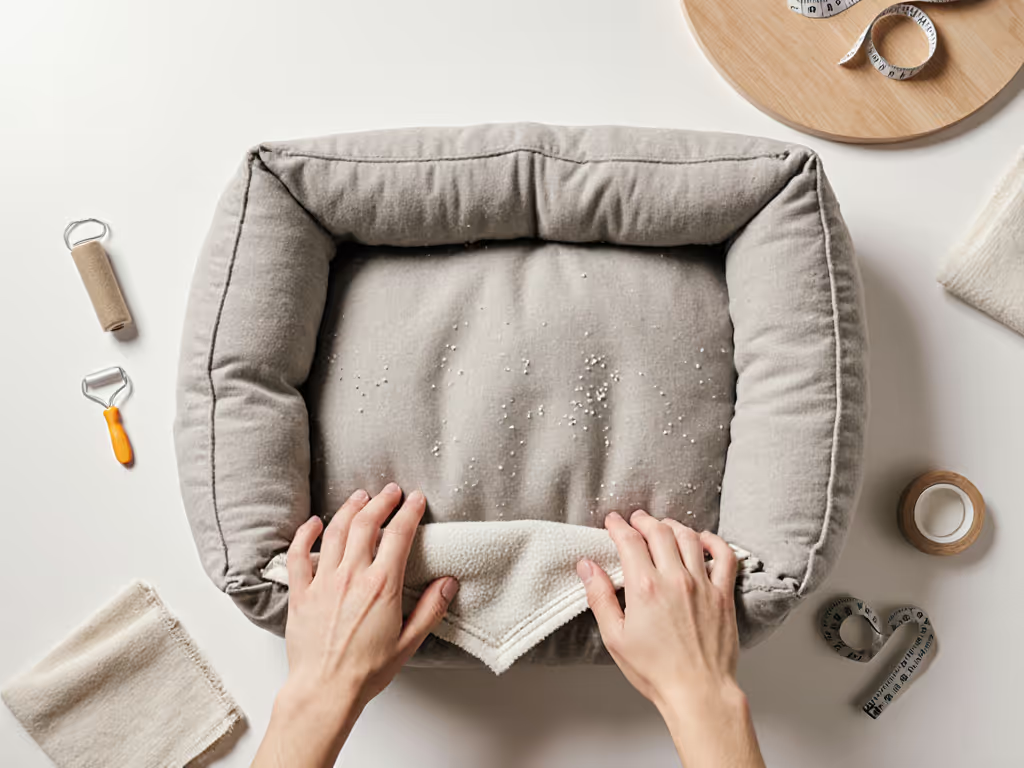
Fabric and Structural Red Flags
Don't wait for complete failure. Address these dog bed lifespan indicators immediately: If accidents are frequent, consider a waterproof dog bed to prevent urine from saturating the fill.
- Exposed seams or zippers: Risk of ingestion if chewed
- Frayed bolsters: Reduced support for head/neck alignment
- Slippery bases: Beds that slide more than 2 inches on hard floors disrupt sleep cycles
- Yellowing or stiff patches: Often indicates urine saturation beneath the surface
Pro tip: Run your palm against the fabric grain. If it pills or snags easily, it won't withstand regular cleaning. Hypoallergenic materials like tightly woven cotton or hemp resist wear while allowing airflow (critical for dogs with sensitive skin).
When Size and Support Needs Change
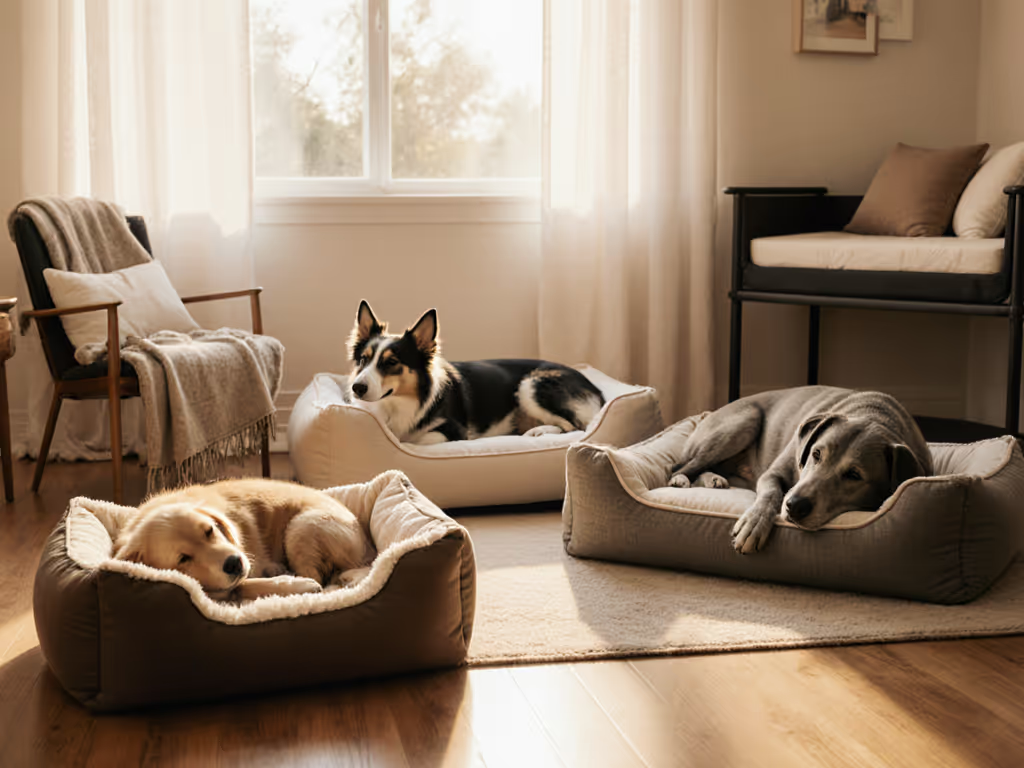
Worn dog bed symptoms sometimes stem from mismatched sizing rather than wear. Reassess during these transitions:
- Growth spurts (puppies to adults): If your dog's elbows or hips protrude beyond the bed's edges, they need 15% more surface area
- Senior mobility shifts: Look for reluctance to jump onto elevated beds or stiff joints after rising
- Seasonal changes: Summer demands thinner, cooler materials; winter needs loft-retaining fills
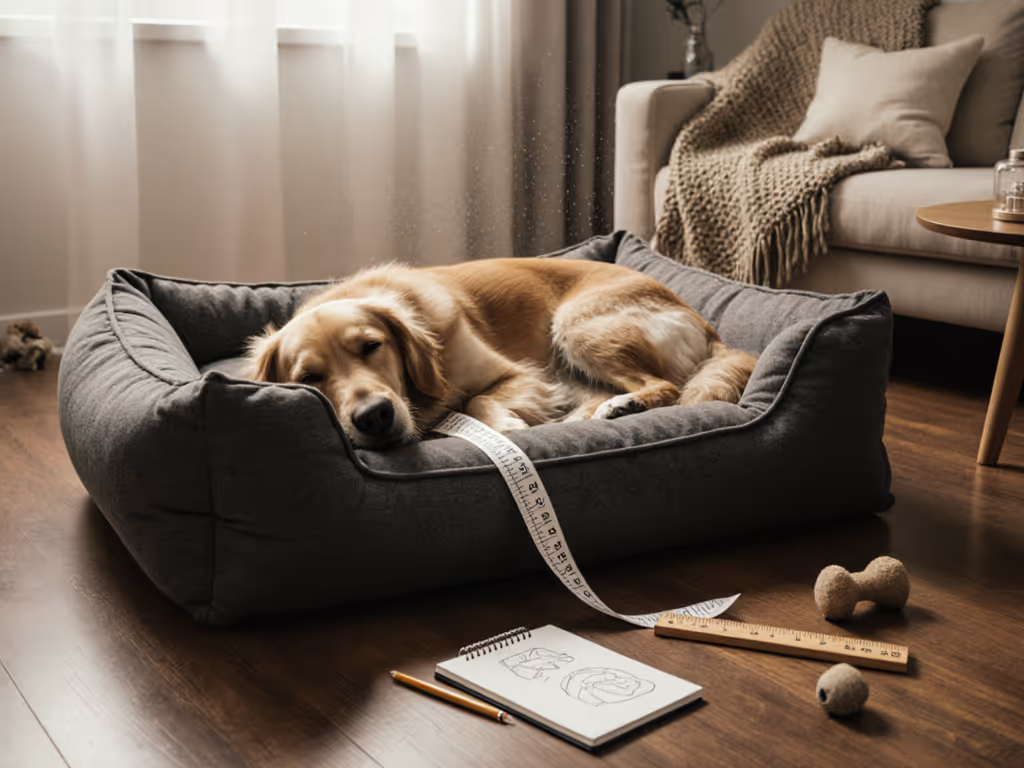
Measure your sprawler or curler properly: For sprawlers, add 12 inches to their nose-to-tail length. For curlers, match their resting diameter plus 6 inches. Use our dog bed size chart to double-check fit by breed and sleep style. Test placement: In drafty rooms, avoid exterior walls; near doorways creates anxiety in noise-sensitive dogs.
FAQs: Your Top Concerns Addressed
"My dog's bed looks fine but they won't use it... is it time for replacement?"
Not necessarily. First, rule out placement issues. Try moving it 6 feet away from high-traffic zones. If they still avoid it, inspect for subtle dog bed comfort decline like flattened edges. Many "rejected" beds simply need bolster fluffing or a thin cooling mat layer for summer.
"How often should I replace even high-quality beds?"
Premium orthopedic beds last 3-5 years with proper care, but monitor for:
- Loss of 20%+ mattress height
- Persistent odor after professional cleaning
- Visible sagging under your dog's weight
In humid climates, replace antimicrobial covers yearly to prevent hidden mold growth.
"Can I extend my bed's life without buying new?"
Absolutely, using breathable, washable liners is my #1 tip. Rotate between two beds weekly to reduce wear. For minor rips, repair with pet-safe fabric glue before fibers unravel further. Never use heat-drying; air-dry beds in indirect sunlight to kill bacteria without damaging fibers.
"My senior dog suddenly avoids their bed... could it be pain?"
Joint discomfort often masquerades as behavior issues. Press gently on the mattress: if it doesn't support your hand's weight evenly, it won't cushion arthritic joints. Switch to memory foam only if it's CertiPUR-US certified (no off-gassing) and paired with a removable cotton cover for temperature regulation.
Your Action Plan: 30 Days to Better Sleep
- Week 1: Conduct the inspection checklist above. Note any dog bed replacement signs
- Week 2: Adjust placement, move away from vents/drafts, ensure quiet surroundings
- Week 3: Swap to climate-appropriate covers (lightweight cotton for summer, fleece-lined for winter)
- Week 4: Observe sleep patterns. If issues persist, replace one component (like the inner cushion) before buying entirely new
Remember: Sustainable pet ownership means replacing only what's necessary. When the time comes, prioritize beds with removable, washable covers and certified non-toxic fills. Your dog's deep, restorative sleep isn't about the fanciest bed: it is about thoughtful, breathable solutions that adapt as their needs evolve.
Small steps, big sleep wins, start tonight with that simple inspection. Your pup's peaceful slumber is worth the effort.
Related Articles