
OEKO-TEX Fabrics for Your Dog's Skin Microbiome Health
By Luca Cheng • 20th Jan

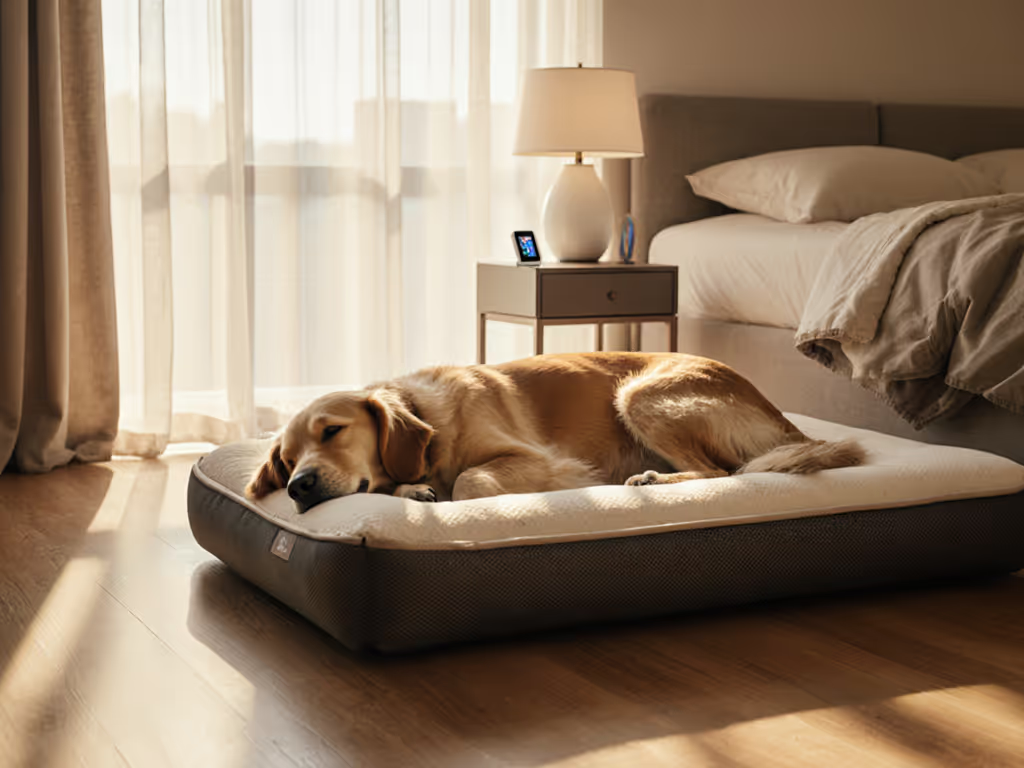
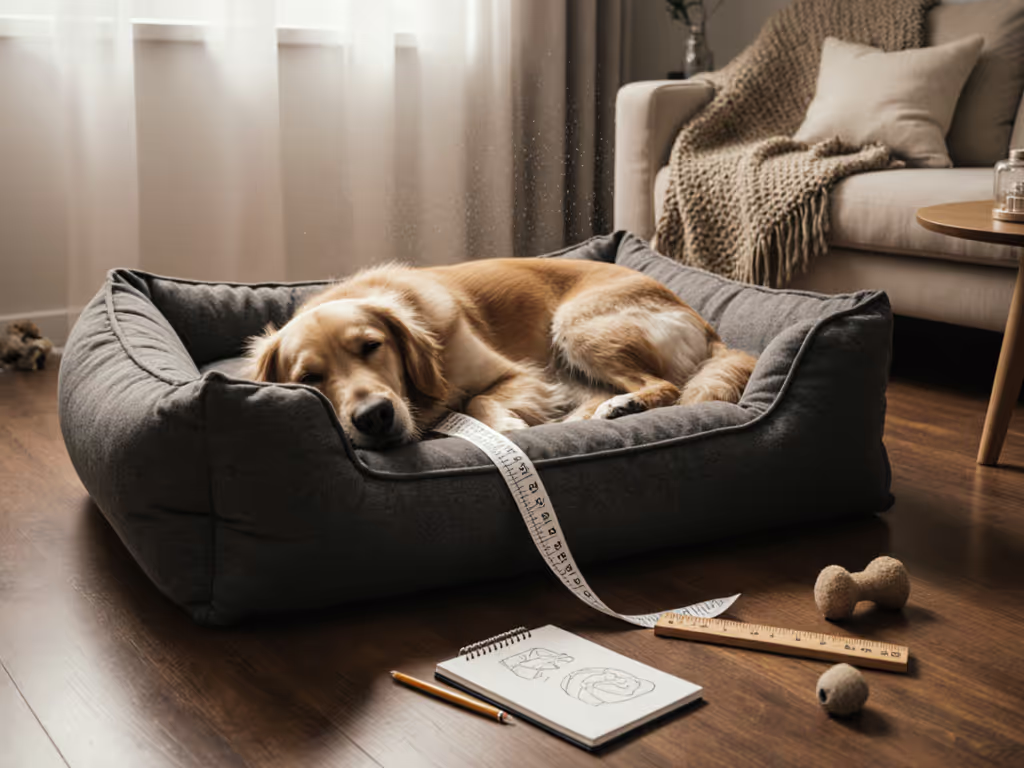
The canine skin microbiome (that delicate ecosystem of bacteria, fungi, and other microorganisms living on your dog's skin) deserves as much consideration as your sofa's upholstery when you select dog bed materials. For years, we have treated pet beds as purely functional items: durable enough for chewing and machine-washable for convenience. But emerging research reveals that fabric choices directly impact your dog's dermatological well-being through invisible microbial interactions. As someone who measures spaces at "dog scale" before recommending any textile, I have seen how the right material balances scientific understanding with spatial harmony.
The Science of Skin: Microbiome Fundamentals
Your dog's skin isn't just a physical barrier. It is a living ecosystem where beneficial bacteria regulate inflammation, aid wound healing, and maintain pH balance. A healthy skin ecosystem features diverse microbial communities that protect against pathogens. When this balance falters (a state called dysbiosis), we see consequences: reduced bacterial diversity, domination by problematic strains like Staphylococcus pseudintermedius, and compromised skin barrier function.
Research confirms that dogs with atopic dermatitis exhibit significantly altered skin microbiomes compared to healthy counterparts. Studies published in Frontiers in Microbiology demonstrate how inflammatory skin lesions correlate with decreased microbial diversity and staphylococcal overgrowth. But here's what matters for your living room: these microbial communities interact constantly with your dog's bedding. Every time your dog settles onto their bed, bacterial transfer occurs both ways: skin to fabric and fabric to skin.
Material Matters: How Bed Fabrics Influence Microbial Balance
The Chemistry Connection
Conventional textiles often contain chemical residues from manufacturing (formaldehyde-based finishes, flame retardants, or dye carriers) that can disrupt your dog's skin microbiome balance. These substances may:
- Alter skin pH levels
- Irritate sensitive dermal layers
- Promote overgrowth of opportunistic pathogens
- Trigger inflammatory responses in susceptible dogs
This is where OEKO-TEX certification becomes more than a marketing term. If you're weighing certifications, see our OEKO-TEX vs CertiPUR-US comparison to understand what each standard actually tests. Unlike basic "hypoallergenic" claims (which lack regulatory definition), OEKO-TEX STANDARD 100 tests finished textiles for over 100 harmful substances at levels safe for infant skin. For dogs who spend 12-18 hours daily in contact with bedding, this standard provides meaningful assurance.
Fabric Structure and Microbial Ecology
Beyond chemistry, fabric construction influences microbiome health through:
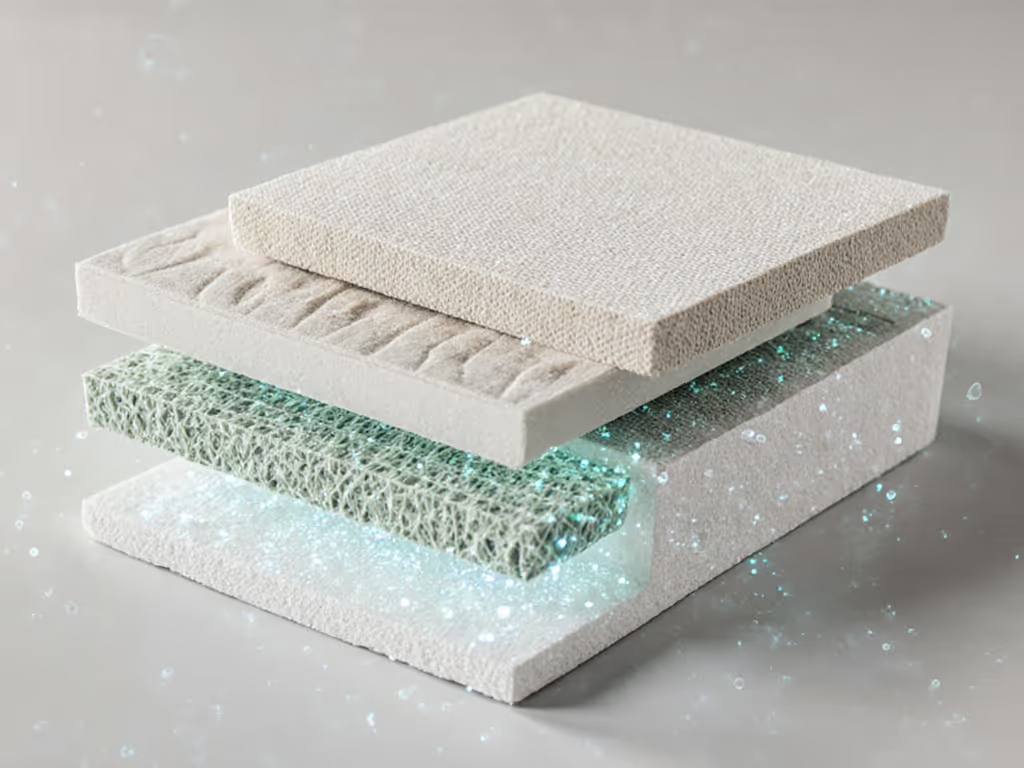
- Surface texture: Smooth weaves (like tightly woven cotton sateen) create less friction against skin than coarse textures, reducing microscopic abrasions where pathogens enter
- Moisture management: Hydrophobic fabrics (e.g., OEKO-TEX certified polyester) wick moisture away faster than absorbent naturals, discouraging bacterial proliferation
- Air permeability: Open weaves allow better airflow to skin contact points, reducing warmth/moisture conditions favorable to yeast overgrowth
A recent study of pet bed materials and bacterial dynamics found that tightly woven, finished synthetics maintained more stable microbial communities than untreated cottons after 30 days of simulated use, without compromising durability.
Practical Application: Selecting Fabrics for Health and Harmony
Spatial Integration with Scientific Insight
Just as I consider traffic flow when placing a human bed, I evaluate how bedding materials interact with your home's microclimate. In humid climates, OEKO-TEX certified bamboo blends offer moisture-wicking properties while maintaining a neutral taupe that complements oak floors. If you live in a damp region, see our humid climate dog bed guide for mold-resistant picks and placement tips. For dogs with known sensitivities, I recommend:
- Summer months: Lightweight, tightly woven linen (OEKO-TEX certified) with natural temperature-regulating properties
- Winter months: Brushed cotton flannel (certified) that provides warmth without trapping excessive moisture
- High-traffic zones: Microfiber with stain-resistant finishes that undergo OEKO-TEX testing for residual chemicals
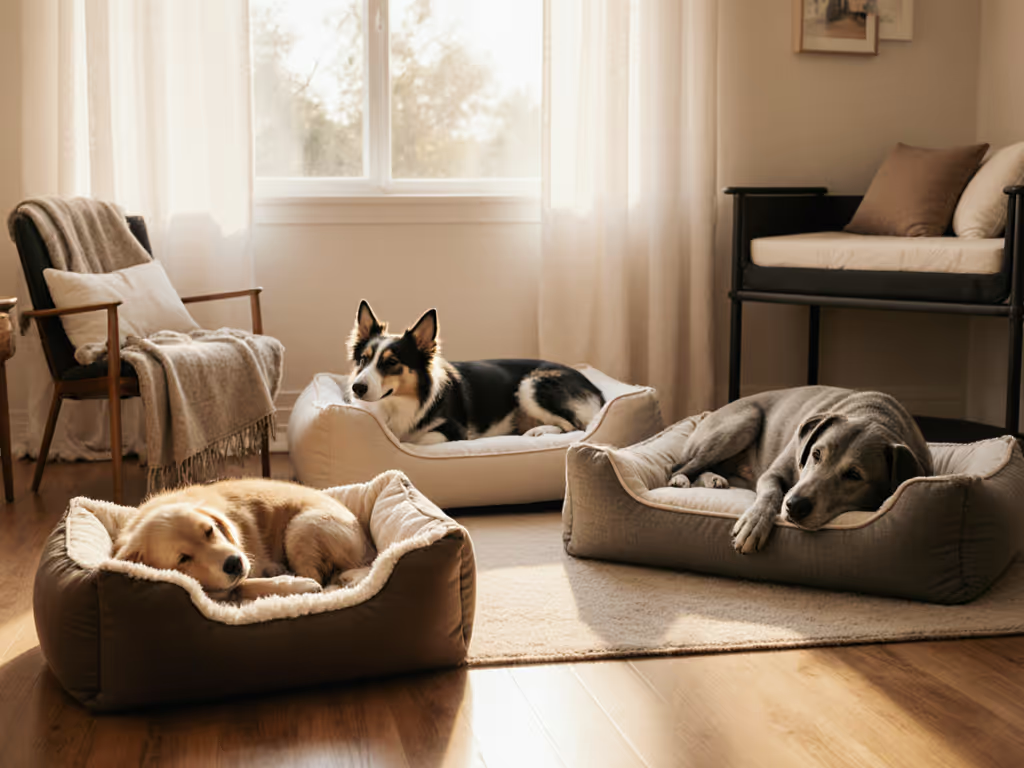
Design that earns a spot in your living room must serve dual purposes: scientific integrity for your dog's skin and aesthetic coherence with your space. That walnut frame I placed next to the bookshelf? It worked because the low-profile bed's certified cotton canvas matched the rug's hue while providing the chemical-free surface our anxious terrier needed.
Cleaning Considerations for Microbial Balance
Frequent washing can disrupt bedding microbiomes, but necessary cleaning should not introduce new problems. Look for:
- Machine-washable covers that retain color and texture after 50+ cycles
- Cold-water wash compatibility to preserve fabric integrity
- Quick-dry properties (under 2 hours) to prevent dampness that encourages bacterial growth
OEKO-TEX certified materials often excel here, as their chemical-free processing avoids residues that attract odor-causing bacteria between washes. For step-by-step maintenance, follow our washable dog bed care guide. One client with a German Shepherd prone to hot spots switched from conventional microfiber to a certified hemp blend, and odors decreased noticeably despite identical washing frequency.
Material Comparison: Performance at a Glance
| Fabric Type | Microbial Impact | Spatial Integration | Care Considerations |
|---|---|---|---|
| OEKO-TEX Certified Cotton | Neutral pH, minimal disruption to skin microbiome | Works with 90% of home palettes; available in 300+ colors | Machine washable; dries in 3-4 hours |
| Conventional Microfiber | May contain residual chemicals that alter skin pH | Excellent color retention; wide range of textures | Attracts hair; slow drying; chemical off-gassing |
| Organic Hemp | Naturally antimicrobial; supports bacterial balance | Earthy tones; coarse texture best in casual spaces | Requires special detergents; lengthy drying time |
| OEKO-TEX Bamboo | Excellent moisture management; temperature regulating | Soft sheen complements modern interiors | May pill with heavy use; requires gentle cycle |
Designing for Daily Use: The Systems Approach
A bed that fits your space and habits gets used, and loved, daily. This means considering:
- Footprint: Leave 18" clearance around orthopedic beds so your dog can approach from multiple angles without disrupting traffic flow.
- Height: Position bed bases at 12-18" for easy access (measured from floor to top of cushion), reducing strain on joints during entry/exit.
- Placement Logic: Position beds away from direct HVAC vents that create microclimates causing uneven moisture distribution on skin. For room layout strategies, see our dog bed placement guide.
In that 500-square-foot studio project, the bookshelf placement created a natural buffer zone that reduced hallway foot traffic past the bed, minimizing disturbance to both the dog's rest and the stable microbial environment we had established.
Conclusion: Where Science Meets Sofa
Choosing bedding isn't just about durability or aesthetics: it is about creating a stable environment for your dog's largest organ. OEKO-TEX certified fabrics provide measurable advantages for canine skin microbiome health through verified absence of harmful substances and thoughtful construction that supports natural bacterial balance.
As you evaluate options, ask:
- "Does this material maintain pH neutrality after repeated washing?"
- "How does this fabric's texture interact with my dog's specific sleep position?"
- "Will this color/texture integrate with my home's existing flow without dominating the space?"
The most successful pet beds disappear into your home design while actively supporting your dog's health, proving that design that earns a spot in your space does so through both visible harmony and invisible science. To deepen your understanding of how home environments affect pet health, explore veterinary dermatology journals' recent publications on the gut-skin axis and environmental microbiome interactions.
Related Articles