

Hypoallergenic Dog Bed Solutions for Sensitive Skin
By Mina Okoro • 2nd Nov
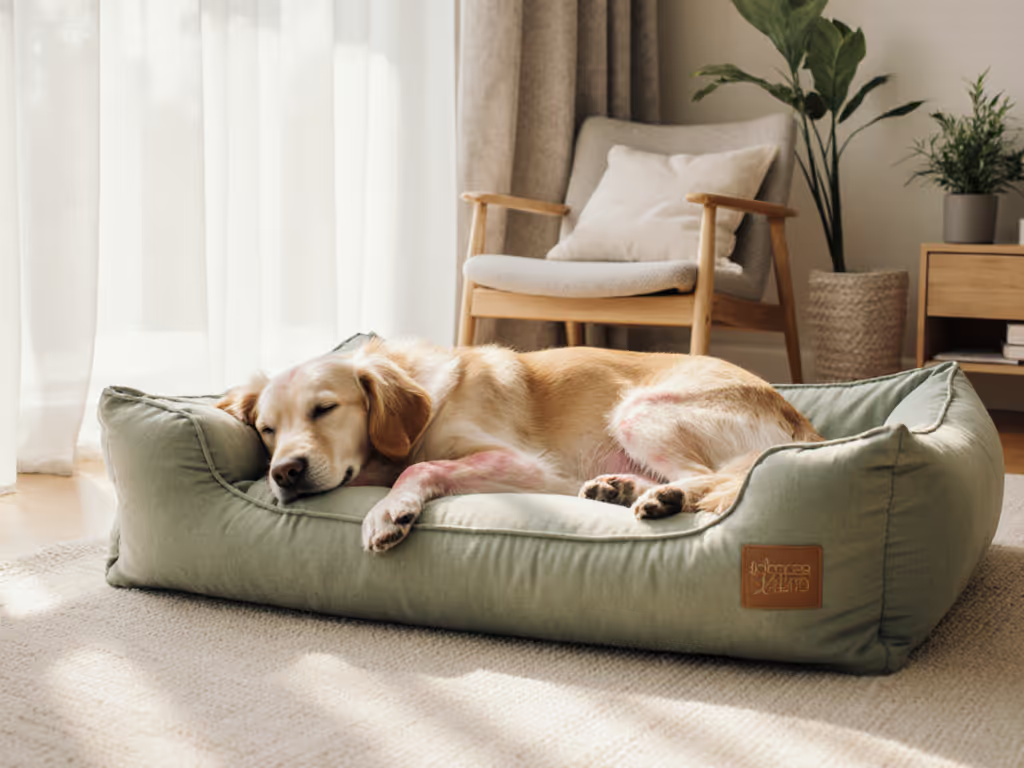
When your dog's skin flares up, selecting the right dog bed becomes far more than a comfort decision. It is essential for their wellbeing. Many pet parents don't realize that the wrong dog bed for dogs with sensitive skin can actually worsen discomfort rather than provide relief. As someone who's fostered over 50 senior and sensitive dogs, I've learned that true comfort starts with alignment and temperature balance, not just plushness. Watch the sleep, not the label.
Understanding Canine Skin Sensitivity: The First Step
Before you purchase any bed, understand what you're dealing with. Skin irritation in dogs often stems from environmental allergens (pollen, dust mites), food sensitivities, or contact irritants from bedding materials. While I can't diagnose medical conditions, I can share what I've observed through collaboration with rehabilitation specialists: dogs with sensitive skin often exhibit excessive scratching, redness, hair loss, or frequent licking of paws and belly areas, especially after settling into their bed.
Unlike humans who can articulate discomfort, dogs communicate through behavior. A dog with skin irritation might repeatedly get up and down from their bed, avoid lying on certain surfaces, or dig excessively before settling, signs they're trying to find relief. Your first step is to observe these behaviors with gentle, precise guidance before selecting materials. Small clues add up.
Step 1: Map Your Dog's Sleep Posture and Pressure Points
Body-aware language is essential when discussing sleep posture. Is your dog a curler, sprawler, burrower, or leaner? For help matching bed types to sleep styles, see our dog sleeping positions guide. Each position creates different pressure points that, when combined with sensitive skin, can amplify discomfort. For example, a side-sleeping curler places concentrated pressure on elbows and hips, areas where skin irritation often appears as red, hairless patches.
I learned this firsthand with a 12-year-old shepherd mix who developed irritated skin patches on his elbows. He'd wake stiff and hesitant until I matched his side-sleeper curl to a bolstered, medium-firm foam bed that kept him cooler. His first morning rising without hesitation showed me that softness isn't always synonymous with support.
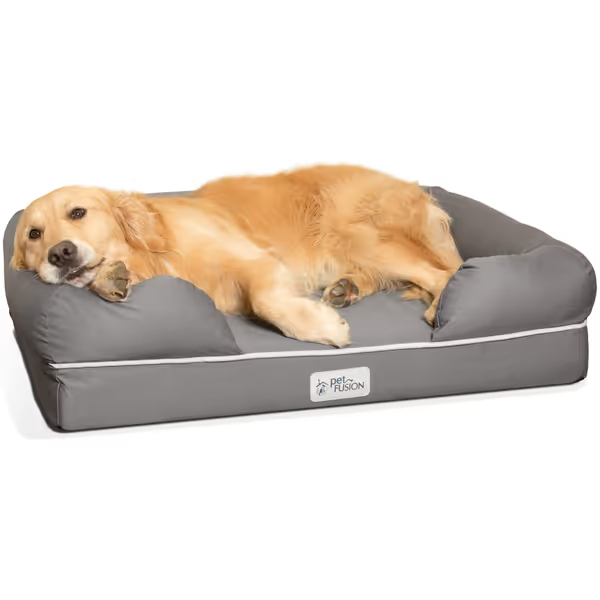
PetFusion Ultimate Orthopedic Dog Bed
Orthopedic memory foam for joint relief and ultimate pet comfort.
$99.99
Memory Foam Thickness4" Solid Orthopedic
Memory Foam Thickness4" Solid Orthopedic
Pros
Superior joint support & comfort for all sizes.
Easy to clean: removable, washable, water-resistant cover.
CertiPUR-US certified foam ensures pet safety.
Cons
Bolsters may reduce usable sleeping space for sprawlers.
Initial assembly required for memory foam base.
Customers find this dog bed to be of good quality, comfortable, and worth its price. The bed is easy to wash, with a removable washable cover, and customers report it lasts a long time with no rips. They appreciate its size, being perfect for German shepherds and providing plenty of room for multiple dogs to stretch out. The bed features a firm foam mattress and is easy to assemble and disassemble.
Customers find this dog bed to be of good quality, comfortable, and worth its price. The bed is easy to wash, with a removable washable cover, and customers report it lasts a long time with no rips. They appreciate its size, being perfect for German shepherds and providing plenty of room for multiple dogs to stretch out. The bed features a firm foam mattress and is easy to assemble and disassemble.
Step 2: Evaluate Materials for Non-Irritant Properties
When addressing dog skin irritation solutions, the fabric matters more than most pet parents realize. Not all "hypoallergenic" claims are equal. Here is what evidence-linked rationale reveals about the best fabric for sensitive dogs:
- Tight-weave microfiber: Creates a physical barrier against dust mites (a common allergen) while remaining breathable
- Natural latex or memory foam: Resists mold, mildew, and dust mites better than polyester fills
- Hemp or organic cotton: Naturally antimicrobial and less likely to cause reactions
- Avoid: Unwashed down, feathers, or chemical-heavy synthetics that can off-gas VOCs
An important note: "hypoallergenic" doesn't mean "allergy-proof". It means less likely to cause reactions. Focus on materials that combine breathability with smooth textures that won't abrade sensitive skin. Your dog's skin will thank you.
Step 3: Prioritize Temperature Regulation
Heat amplifies skin irritation. If overheating is a concern, compare our best cooling dog beds for breathable, skin-friendly options. When dogs overheat, they sweat through their paws and increase blood flow to the skin, worsening inflammation. This is why temperature regulation is critical in allergy-friendly pet bedding.
Look for beds with:
- Open-cell foam structures that allow air circulation
- Breathable, moisture-wicking covers
- Elevated designs for better airflow beneath the bed
- Phase-change materials in premium options that adapt to body temperature
Real comfort starts with alignment, then temperature and texture. A dog's skin needs to breathe as much as their lungs do.
In my experience, many pet parents mistakenly choose plush, insulating beds for dogs with sensitivities, not realizing they're creating a hot, humid environment where irritants thrive. A cooler sleeping surface often provides immediate relief for dogs with inflamed skin. Aim for breathable first.
Step 4: Verify Cleaning Capabilities
The most hypoallergenic bed becomes useless if you can't maintain it properly. Use our washable dog bed care guide to set an easy, skin-safe cleaning routine. Dust mites multiply rapidly in warm, undisturbed environments, reaching peak populations in just 3-4 weeks. For dogs with sensitivities, regular cleaning is non-negotiable.
When evaluating a dog bed for dogs with sensitive skin, confirm these features:
- Removable, machine-washable cover that withstands hot water (130°F+ kills dust mites)
- Seamless construction or hidden seams to prevent allergen buildup in crevices
- Quick-drying materials (synthetic fibers dry faster than natural ones)
- Water-resistant barrier between cover and filling to prevent moisture penetration
I've worked with pet parents who replaced expensive beds monthly because they couldn't effectively clean them, a situation easily avoided with the right design. Make cleaning effortless.
Step 5: Test Before Committing
Even with careful research, the final test is your dog's reaction. Implement these observation techniques:
- Introduce the new bed gradually during cooler parts of the day
- Note if your dog settles quicker or avoids certain areas of the bed
- Check for reduced scratching within 48 hours (a positive indicator)
- Monitor skin appearance daily for improvement or worsening
If your dog shows hesitation, don't force it. Try adding a familiar blanket on top to ease the transition while your dog adjusts to the new texture and support. Patience pays off.
Step 6: Implement Supporting Solutions
Sometimes, the bed alone isn't enough. Consider these complementary dog skin irritation solutions:
- Wash bedding weekly in scent-free, hypoallergenic detergent
- Vacuum sleeping areas thoroughly with a HEPA filter vacuum
- Use air purifiers in rooms where your dog sleeps
- Supplement with omega-3 fatty acids (after consulting your vet) for skin barrier support
- Rotate between two beds to ensure one is always completely dry and clean
Final Considerations for Sensitive Skin
When selecting non-irritant dog bed materials, remember that sustainability matters too. Beds with replaceable covers reduce waste and long-term costs (critical for pet parents committed to both their dog's health and environmental responsibility).
The right hypoallergenic bed shouldn't feel like a medical device. It should blend seamlessly into your home while providing the invisible support your dog needs. As I've observed through years of fostering dogs with sensitivities, when alignment and temperature are properly addressed, many skin issues significantly improve, not because the bed "treats" the condition, but because it removes an environmental stressor. Comfort eases the burden.
Your Actionable Next Step
Tonight, sit quietly with your dog as they prepare for sleep. Watch where they circle, how they settle, and where they seem most comfortable. Take note of any skin redness or irritation in pressure points. With this observation in hand, you're now equipped to select a bed that addresses both comfort and sensitivity, without falling for marketing hype. Your dog's deeper, more restful sleep could be just one thoughtful selection away.
Related Articles