Mobility Impaired Dog Bed Essentials: Lasting Support for Paralysis
By Priya Nandakumar • 12th Nov
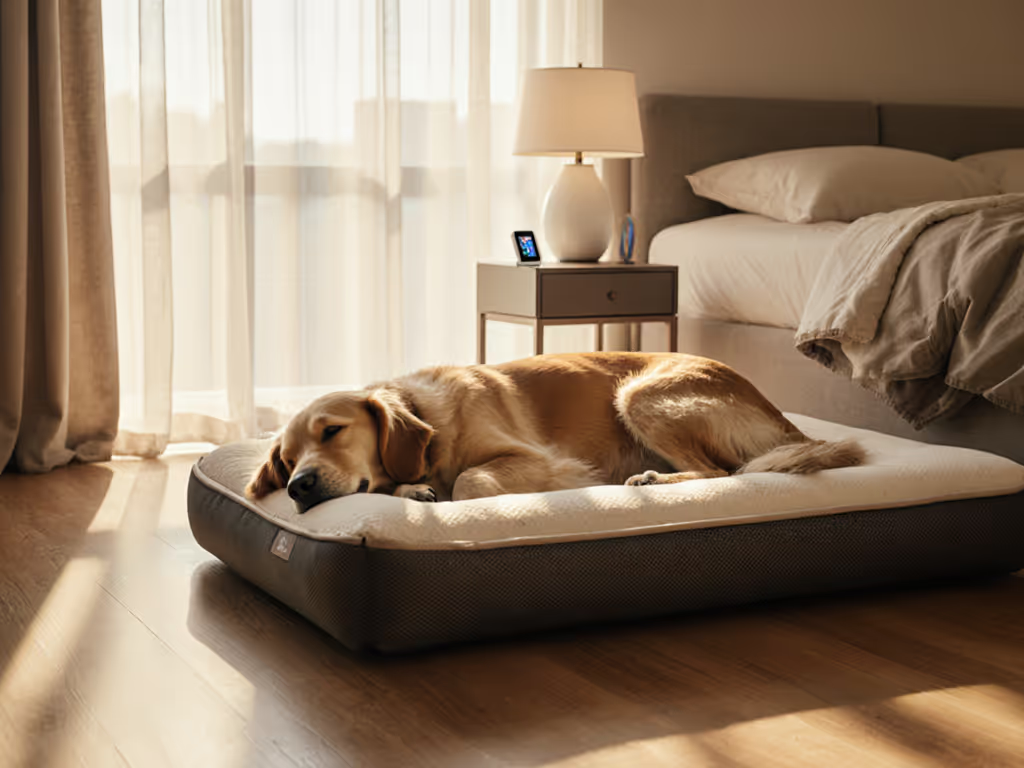
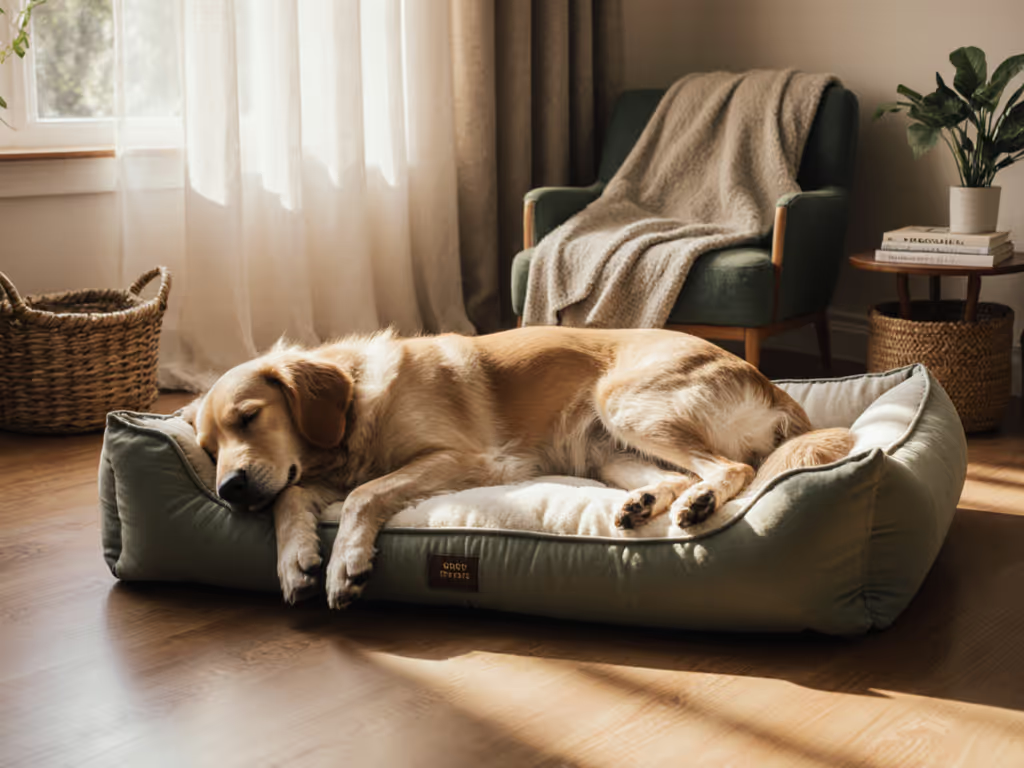
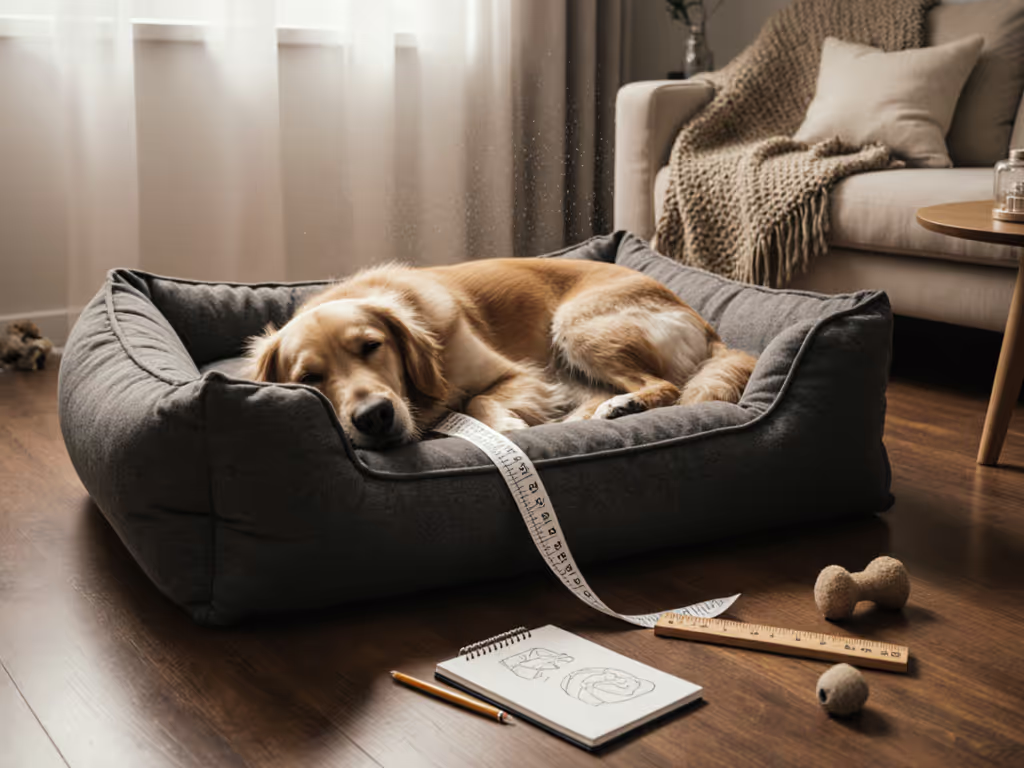
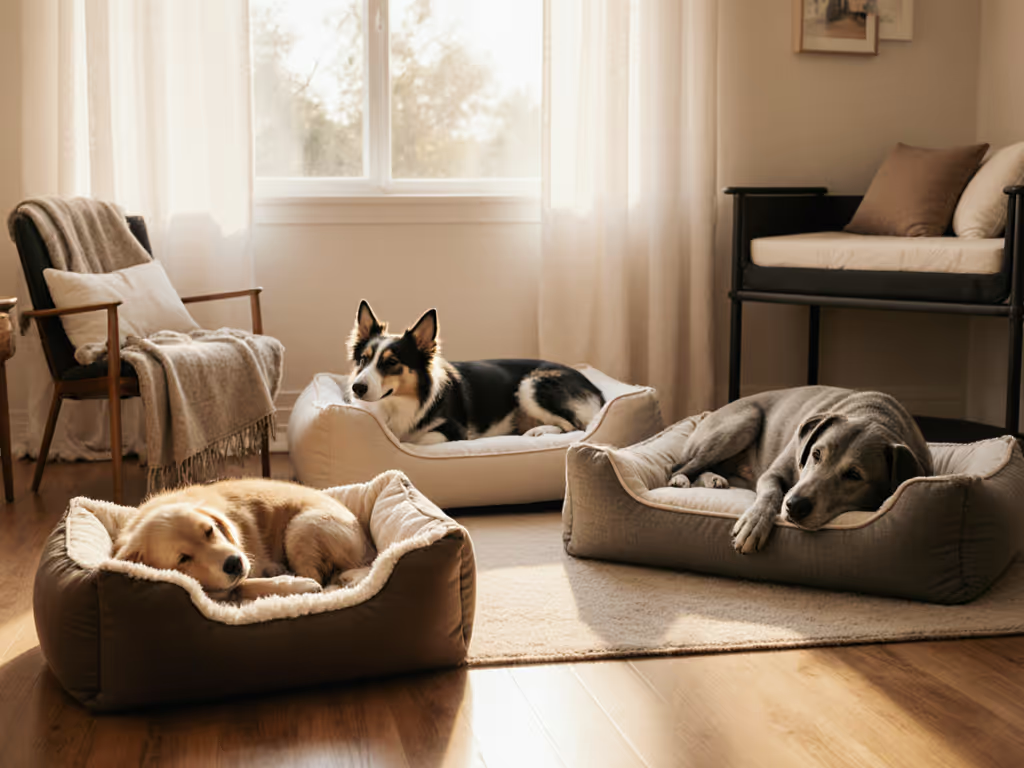
When your dog faces paralysis or severe mobility impairment, the right mobility impaired dog bed isn't just comfort, it's medical equipment. Yet most pet owners discover too late that standard beds fail catastrophically under these demands. A true dog bed for paralyzed dogs must deliver unwavering joint support, incontinence resilience, and non-slip stability for years, not months. As someone who learned the hard way after my first 'bargain' bed flattened into landfill in weeks, I evaluate these purchases through total-cost-of-ownership metrics: how many nights of relief per dollar, and how much waste avoided through smart design.
This isn't about buying cheaper (it's about buying once). When your dog can't reposition themselves, every design flaw becomes a pressure sore risk. I'll break down the non-negotiable features backed by veterinary mobility specialists and years of durability testing, so you invest in restorative sleep that lasts. Smart choices here pay off for your dog and your wallet. If you're weighing long-term value, see our 3-year cost analysis of budget vs premium dog beds.
Why Standard Dog Beds Fail for Paralyzed Dogs
Most beds marketed as 'orthopedic' collapse under the unique demands of paralysis. For a deeper look at materials and support differences, our orthopedic vs memory foam comparison explains what actually matters. Here's where they typically fail:
- Foam density too low: Beds need 3-4 lb foam density by weight memory foam minimum to prevent bottoming out. Lower densities (common in sub-$50 beds) compress within 6 months, eliminating joint support.
- Inadequate surface stability: Without a non-slip base, paralyzed dogs struggle to gain purchase when attempting to shift weight, straining muscles.
- Waterproofing treated as afterthought: Sprayed coatings peel after 10-15 washes, exposing foam to urine damage. True integrated waterproof liners last 3x longer.
Spend once, maintain smart, and skip the landfill. This isn't idealism, it's math. A $150 bed with replaceable covers used for 5 years costs $0.08/night. Replacing a $75 bed annually? $0.21/night with landfill waste.
Critical Features: Beyond Basic 'Orthopedic' Claims
Non-Slip Dog Bed Surface: The Foundation of Safety
A paralyzed dog's ability to shift weight (even minimally) depends on surface traction. Look for:
- Textured, rubberized bases (not just printed dots) that grip hardwoods and tiles
- 360-degree non-slip edges to prevent sliding during micro-movements
- Independent testing data showing slip resistance across surfaces (e.g., 'No slip on 15° incline')
Avoid beds with only bottom-panel rubberization. During lateral shifts, unprotected edges catch on floors, causing painful skin shear. Prioritize full-contact traction that supports safe micro-movements without slipping. To upgrade an existing bed, see our dog bed accessories guide for non-slip mats, waterproof liners, and replacement covers that extend lifespan.
Related Articles