
Human Dog Bed Design: Sleep Solutions for You & Your Pup
By Luca Cheng • 8th Jan
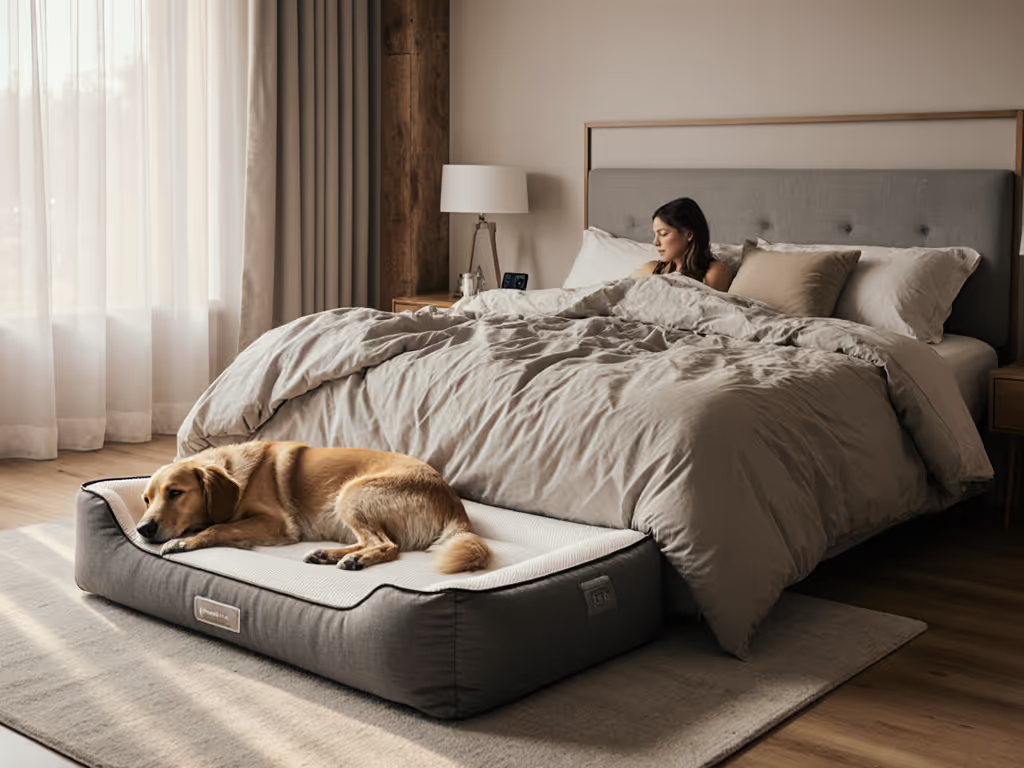
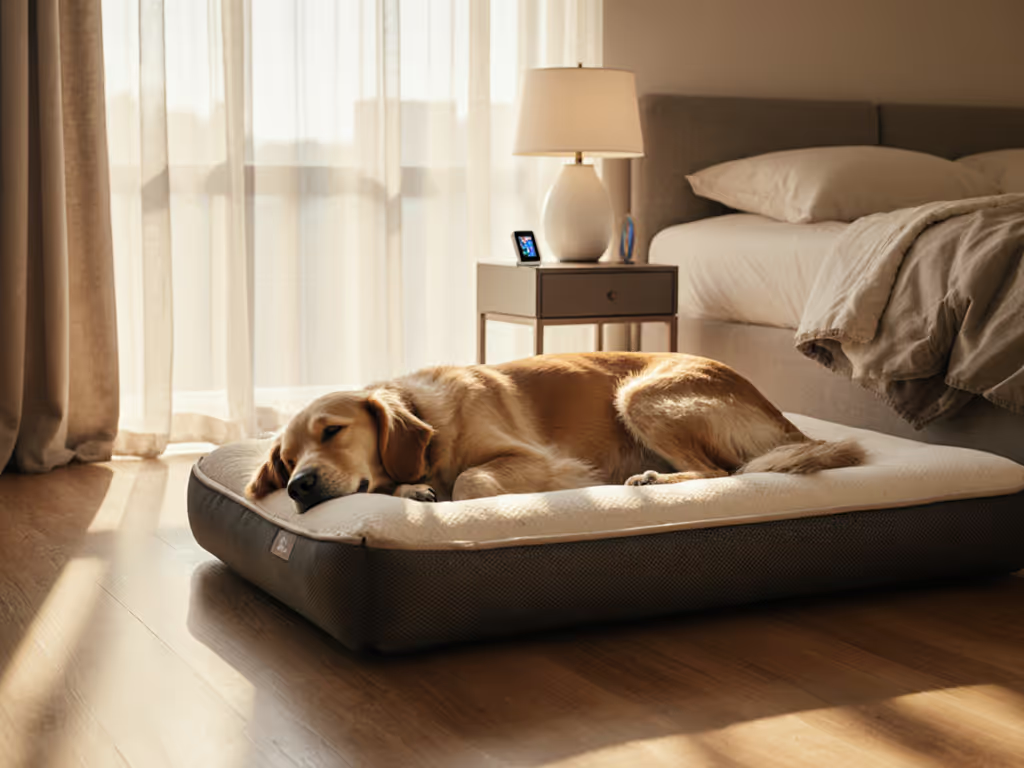
When nearly 70% of pet parents invite dogs into their human dog bed (as confirmed by Canisius University's 2023 study), shared sleeping spaces demand more than compromise. This isn't just about where your pup sleeps; it's about designing zones where both species thrive. Forget cookie-cutter solutions: true harmony requires matching textiles to trajectories, scaling furniture to footprints, and choreographing traffic flow so the bed earns its spot in your living room. After years optimizing cramped studios and multi-dog households, I've seen how intentional design transforms restless nights into restorative rituals. Let's unpack the science and spatial logic behind sleeping better, together.
The Science of Snuggles: Why Co-Sleeping Works (and When It Doesn't)
Psychological Bonding Through Shared Sleep
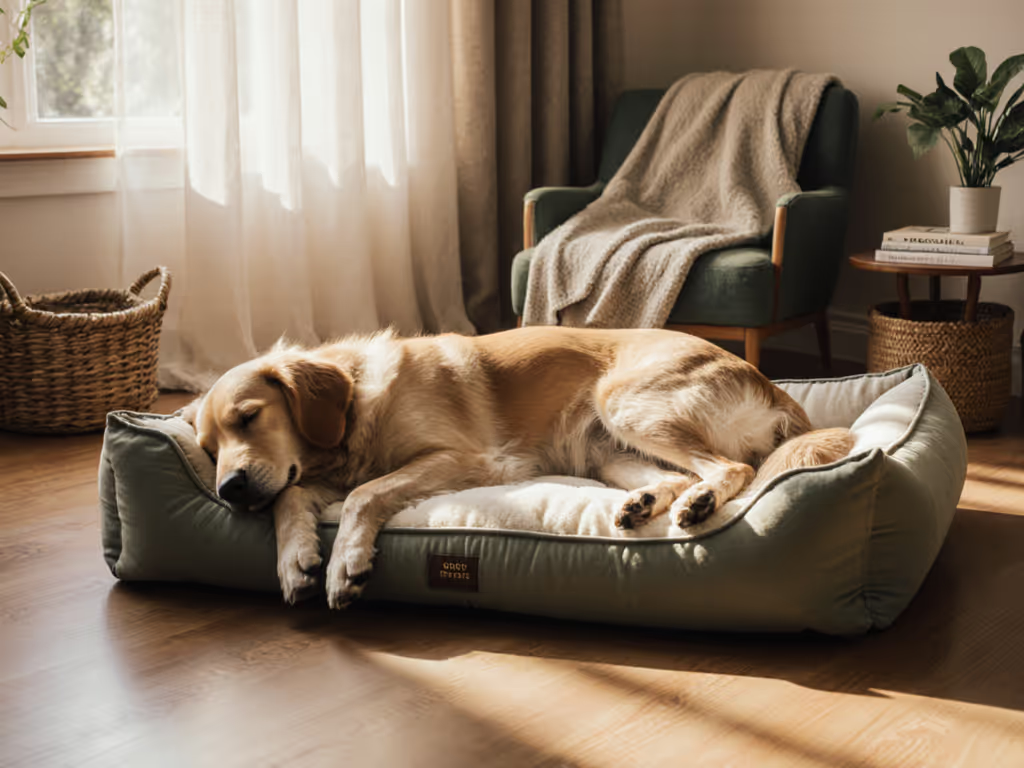
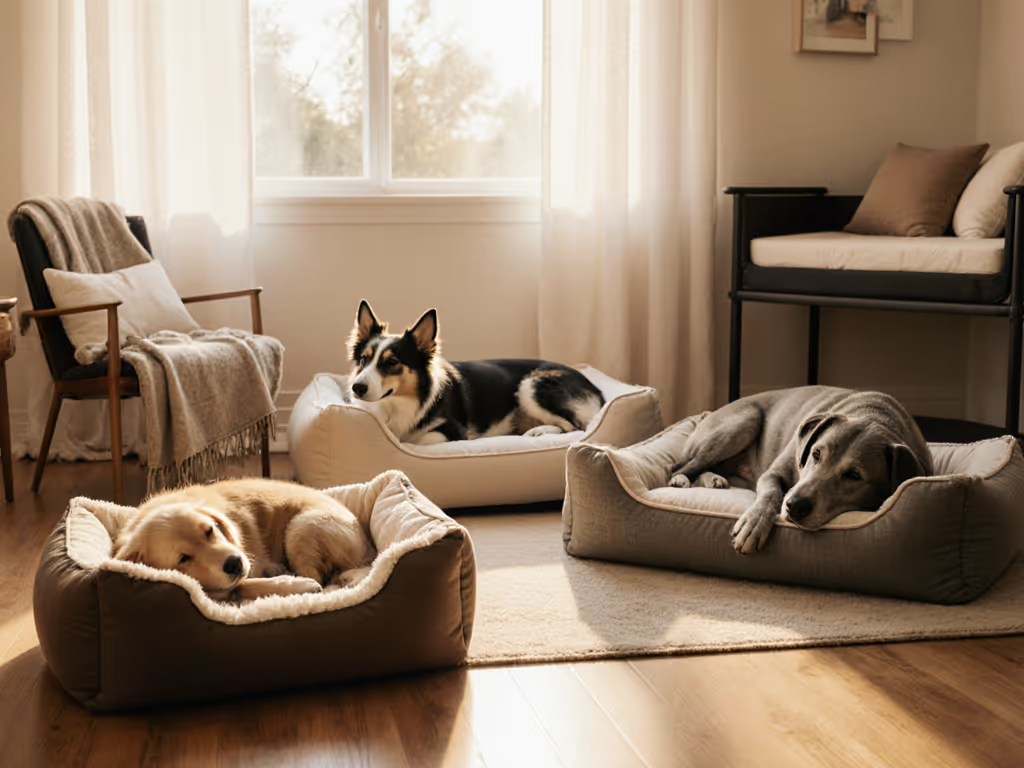
Physical proximity triggers oxytocin release in both humans and dogs, a neurochemical cascade that lowers cortisol and builds trust. This isn't fluff: studies show co-sleeping reduces nighttime anxiety for 65.6% of owners (per Canisius data) and calms dogs prone to separation distress. But the magic hinges on sustainable proximity. A whippet burrowed under blankets may feel secure, while a Labrador sprawling diagonally across a queen bed fragments sleep architecture through micro-arousals. Key insight? Psychological bonding through shared sleep only works when spatial needs align. Ignore your dog's natural sleep style (curler, sprawler, or leaner), and you'll battle displaced pillows and stiff necks within weeks.
Sleep Hygiene Considerations: The Unseen Trade-Offs
Sleep hygiene considerations dominate clinical discussions, yet most owners overlook practical variables:
- Temperature regulation: A human's ideal 65°F room may leave a Husky overheated on memory foam (which traps heat)
- Movement transfer: Dogs instinctively shift 15-20x nightly; thin mattresses amplify motion like waterbeds
- Hygiene thresholds: One study noted 78% of co-sleepers washed bedding weekly versus 42% of solo sleepers
Crucially, the type of bed dictates outcomes. A standard dog bed pushed against your mattress creates a "no man's land" for blankets and limbs. Yet purpose-built human dog bed solutions (like modular platforms with divided zones) let you customize support density (firmer for joints, softer for burrowers) while containing dander. For allergy-prone households, washable, hypoallergenic covers aren't luxury; they're non-negotiable.
Designing for Two Species: Where Most Solutions Fail
The Scale Mismatch Trap
Most owners shove a dog bed beside their mattress, a spatial error I call "the afterthought." This ignores two realities: dogs seek heat sources (hence chest-level co-sleeping per heat maps), and bolsters on dog beds shrink usable space by up to 12". In a 10'x12' bedroom, that wasted clearance turns walkways into obstacle courses. Instead, measure at dog scale: trace your pup's sprawl on kraft paper, then position the bed flush against your nightstand. In one project, angling a low-profile platform bed (20" high) beside a dresser created a seamless "sleep zone" where the border collie finally stopped pacing, with dog and human sharing warmth without sacrificing elbow room.
Textile and Placement Logic
Pet-human co-sleeping demands material smarts. Forget plush velvets that trap fur; opt for tightly woven, low-pile fabrics like Sunbrella® acrylic that resist snagging from claws. For material durability and maintenance trade-offs, see our dog bed fabrics guide. For temperature control:
- Hot climates: Mesh panels in bed bases (≥30% airflow)
- Cold regions: Removable fleece liners (not permanent stuffing that flattens)
Placement follows rigid rules: never between door and bed (safety hazard), always with 18" clearance for human movement. For layout tips across different home setups, explore optimal dog bed placement. I once repositioned a shared platform bed away from a bedroom window, solving both the dog's light-induced wake-ups and the owner's glare complaints. Match rug textures to bed feet too; a herringbone wool rug anchors rubberized bases better than slippery sisal.
Visual cues transform cramped rooms: repeating a bed's walnut stain in adjacent furniture creates sightline continuity, making spaces feel 20% larger.
Building Your Shared Sleep Ecosystem
Three Design Principles for Intentional Integration
-
Footprint-first planning: Calculate total square footage needed (human sleeping area + dog's sprawl zone). For a 70lb dog, allow 36"x24" minimum plus 6" clearance. In my studio project, a 5'x4' platform accommodated both a queen mattress and a senior lab, by tucking the dog zone under an angled bookshelf.
-
Fabric compatibility: Layer textiles like an interior designer. A structured canvas bed cover (for durability) over memory foam, topped with a removable chambray slipcover (for washability), solves 80% of hygiene pain points. Avoid overstuffed bolsters (they eat functional space and encourage perching instead of deep sleep).
-
Traffic flow choreography: Map your nightly path from bed to bathroom. If your dog's bed sits in that trajectory, they'll avoid it instinctively. Instead, position it along "quiet" walls, like the side opposite your nightstand. This aligns with Canisius data showing dogs sleep longest when placed against stable surfaces (not floating in room centers).
When to Choose Purpose-Built Solutions
While repurposing human furniture works long-term for 38% of co-sleepers (per industry surveys), certain scenarios demand specialized designs:
- Seniors/large breeds: Seek beds with 5"+ orthopedic foam cores (density ≥3.5 lbs/ft³) to cushion joints Use our foam density by weight guide to match support to your dog's size.
- Anxious dogs: Rounded bolster beds create enclosure, but place them against walls to prevent pacing loops
- Tiny homes: Modular platforms with hidden storage (e.g., pull-out pet beds beneath mattress bases)
Always prioritize slip resistance: rubberized bases or non-slip mats under legs prevent dangerous shifts. That studio project's success? A walnut bed with grippy rubber feet (no more midnight slides).
Make the Bed Part of the Room
Human-dog co-sleeping succeeds only when the arrangement feels intentional, not incidental. Ditch the "dog bed shoved in corner" mentality. Instead, design for your shared rhythm: match bed heights so your pup hops up effortlessly, repeat colors in your textile palette, and guard walkways like sacred space. In that 500-square-foot studio, the magic wasn't just the walnut frame, it was how the bed's lines echoed the bookshelf, how the rug's hue whispered to the coverlet, how 18" of clearance let both species move without thought. That's the core truth I've carried from every project: Make the bed part of the room, and it becomes part of your life (used and loved daily).
Ready to reimagine your sleep ecosystem? Start by tracing your dog's sprawl tonight. Notice where they naturally gravitate when settling. Then, measure your walkways and sightlines with fresh eyes. The perfect human dog bed solution isn't about the product, it's about the space it earns.
Related Articles