Dog Sleep Patterns by Life Stage: A Bed Selection Guide
By Mina Okoro • 19th Mar
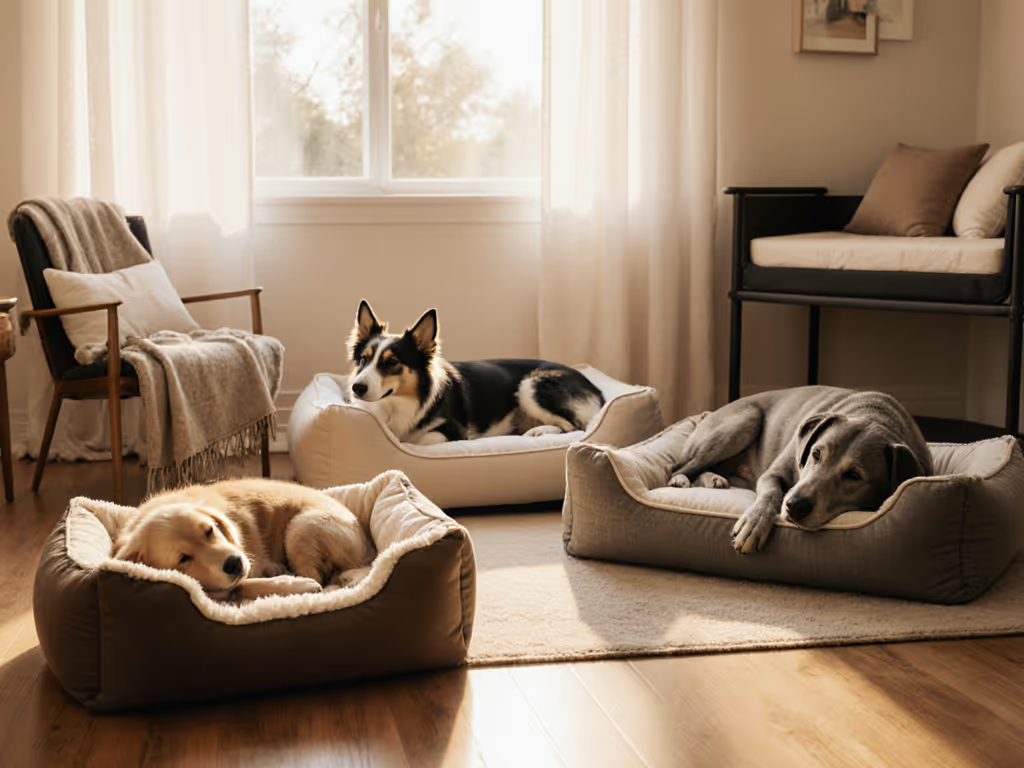
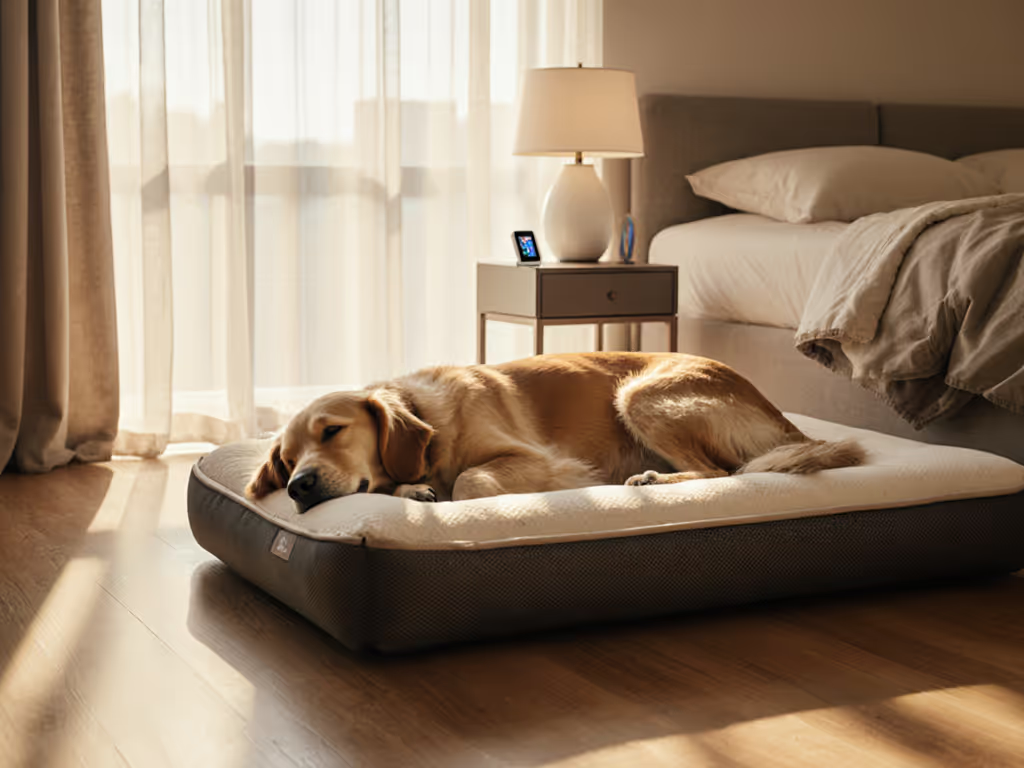
When you understand how your dog's sleep changes across their lifetime, you unlock the ability to choose a bed that actually fits their body and mind at each stage. Dog age sleep patterns differ dramatically from puppyhood through senior years, and the right bed supports not just comfort, but alignment, temperature stability, and deeper rest. I've learned this through years of fostering dogs of all ages: true comfort starts with alignment, and alignment begins with understanding why your dog sleeps the way they do.
Why Life Stage Matters for Sleep Architecture
Dogs don't experience a steady sleep pattern across their lifespan. Instead, their life stage bed requirements shift as their brains mature, their bodies settle into adult rhythms, and eventually, aging changes their rest patterns again. This isn't just about quantity of sleep: it is about quality and how their body positions itself for recovery.
Dogs cycle through sleep differently than humans. Unlike us with our four or five long sleep cycles per night, dogs experience over 20 brief cycles in a 24-hour period, with each cycle lasting around 45 minutes. For a deeper dive, see our guide to canine sleep cycles. What this means: your dog is constantly transitioning between light sleep, deep sleep, and waking moments. The bed they're resting on during these micro-cycles needs to support their spine and joints throughout all those transitions. And what supports a puppy's soft, developing frame will not work for a senior dog managing joint changes.
Puppy Sleep Patterns: The Foundation Years (Birth to 12 Months)
How Much Sleep Do Puppies Need?
Puppies sleep a remarkable amount: 18 to 20 hours per day in their earliest weeks. This isn't laziness, it is the work of growth and learning. During those sleep hours, puppies process everything they've learned during waking moments; their brains are consolidating information and their bodies are growing rapidly.
At 16 weeks, new puppies in domestic homes spent significantly more time asleep during the day compared to 12-month-olds, reflecting the cognitive and physical demands of adapting to a new home and learning new routines. By 12 months, that pattern begins to shift toward more consolidated nighttime sleep, but disruption during these months is completely normal.
Sleep Behaviors and Bed Implications
Puppies typically show erratic sleep until around 9 months of age, waking frequently because they're processing new experiences and may still be adjusting to separation from littermates. When puppies do sleep, the most common sleeping place at 16 weeks was a kennel or crate (49.1% of puppies studied), but by 12 months, many had transitioned to a dog bed (49.9% of dogs studied). If your pup is currently crated, use our crate bed sizing guide to choose a safe, snug fit.
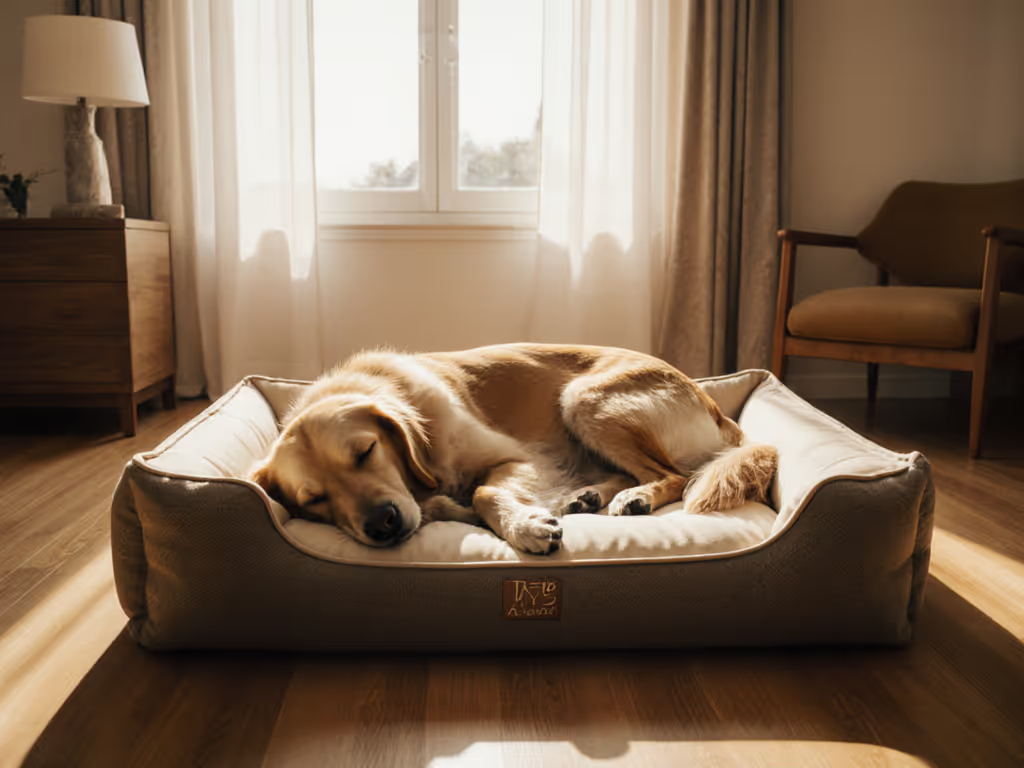
For bed selection, this shift tells you something crucial: young puppies benefit from a contained, nest-like space that provides boundary support (bolstering on all sides mimics the safety of littermates and helps puppies settle). As they mature into the 8 to 12 month range, they're ready for a slightly more open bed that allows stretch-out positions, signaling their transition toward adult sleep patterns.
Temperature and Texture Considerations for Young Dogs
Growing puppies generate significant body heat and tend to sprawl rather than curl. A breathable, medium-firm base prevents overheating during those long daytime naps. I recall fostering a shepherd pup who woke stiff and reluctant until his bed matched his side-sleeper curl (bolstered, medium-firm foam that kept him cooler), and that first morning he rose without hesitation. The lesson was immediate: alignment matters before everything else, and temperature is alignment's partner.
Adult Dog Sleep Patterns: The Stable Years (12 Months to 7 Years)
How Much Sleep Do Adult Dogs Need?
Once a dog moves beyond 12 months (typically by 9 months, they've developed a "normal" sleep pattern), they settle into a more predictable rhythm. Adult dogs sleep 12 to 14 hours per day on average, though this varies by breed, activity level, and individual metabolism.
Nighttime sleep for adult dogs averages around 7 to 7.3 hours, with the remainder spread across daytime naps and rest periods. Interestingly, dogs spend about half their days asleep, 30% awake but relaxing, and only 20% being actively engaged, a rhythm shaped by their evolutionary history as scavenger-hunters who rest between feeding cycles.
Sleep Behaviors and Positioning
Adult dogs exhibit distinct sleep behaviors that signal their comfort level. At 12 months, 73% of dogs displayed small twitching movements of their legs during sleep, a sign of REM sleep and normal dream activity. Some make quiet sounds, twitch their facial muscles, or wag their tails while sleeping. These behaviors indicate dogs are cycling through all stages of sleep and getting restorative rest.
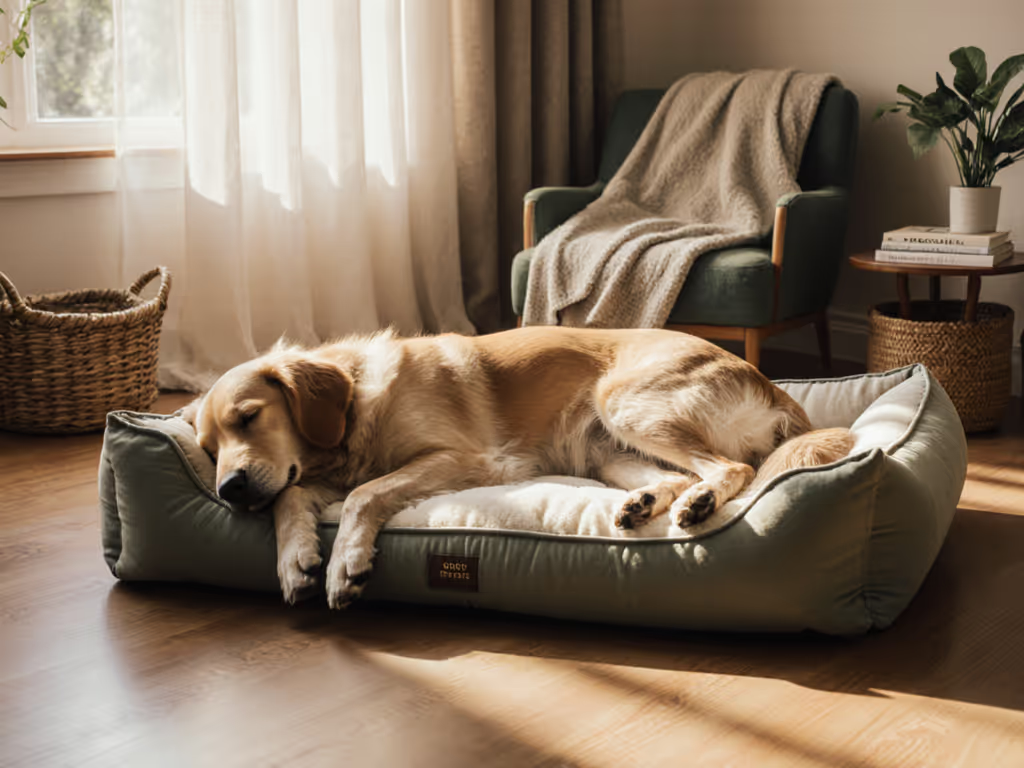
The key for bed selection at this life stage is accommodating natural sleep positions: curlers need bolstered edges for head support; sprawlers need length and a firmer base to prevent sagging; burrowers thrive with a slightly higher-walled design that lets them nestle without feeling trapped. Not sure which style your dog uses most? Start with our dog sleeping positions guide to match bed types to posture. Real comfort starts with alignment, then temperature and texture align with that postural choice.
Material and Support Requirements
Adult dogs benefit from medium-firm foam cores that provide spinal support without excessive softness that causes sinking and misalignment. Giant breeds and active dogs experience deeper sleep, so their beds need durable edge support that won't compress after months of use. Temperature regulation becomes important: active dogs may prefer cooling layers or breathable fabrics, while less-active or indoor dogs may benefit from insulating materials during colder months.
Senior Dog Sleep Patterns: The Change Years (7 Years and Beyond)
How Sleep Patterns Shift with Age
When dogs reach seven years and beyond, their sleep patterns often revert to patterns resembling puppyhood, though for different reasons. Senior dogs experience medical and joint changes that fragment their sleep, they may wake more frequently at night, shift positions often, and struggle to find comfortable alignment.
Senior and very young puppies may sleep 16 to 18+ hours per day, but the quality of that sleep differs. Where puppies wake because their brains are learning, seniors wake due to joint stiffness, pain, temperature sensitivity, or medical conditions that require medication or management.
The Impact of Sleep Disruption
Sleep disruption in senior dogs isn't just uncomfortable, it affects their daytime behavior, cognitive function, and overall wellbeing. A senior dog waking frequently because their bed offers poor spinal support or inadequate pressure relief will show stiffness upon rising, reluctance to use the bed, and increased nighttime restlessness.
Bed Selection for Senior Comfort
For senior dogs, sleep architecture changes demand orthopedic responsiveness. Learn how raised orthopedic beds help aging joints and ease nightly position changes. This means:
- Firmer, denser foam cores that prevent the hips and shoulders from sinking into a position that strains the spine
- Graduated bolstering that supports the head and neck without forcing an unnatural curve
- Temperature-neutral materials that don't trap heat (contributing to joint inflammation) but provide enough insulation for dogs with circulation changes
- Moisture-wicking, washable covers (senior dogs may experience occasional incontinence) that are easy to remove and truly machine-safe
- Non-slip bases that prevent the bed from sliding on hardwood, which can destabilize an already-stiff dog
Step-by-Step: Matching Sleep Patterns to Bed Selection
Step 1: Identify Your Dog's Life Stage and Sleep Duration
Note your dog's age and current total sleep hours. Is your dog a puppy (erratic, 18 to 20 hours), an adult (12 to 14 hours in consolidated patterns), or a senior (16+ hours but fragmented)? This determines baseline support needs.
Step 2: Observe Sleep Position and Behavior
Spend a few nights quietly noting how your dog settles. Do they curl tightly, sprawl with limbs extended, burrow into corners, or lean against walls? Do they twitch during sleep (normal) or wake frequently (potential alignment issue)? Do they seem warm or cool-seeking?
Step 3: Assess Current Bed Performance
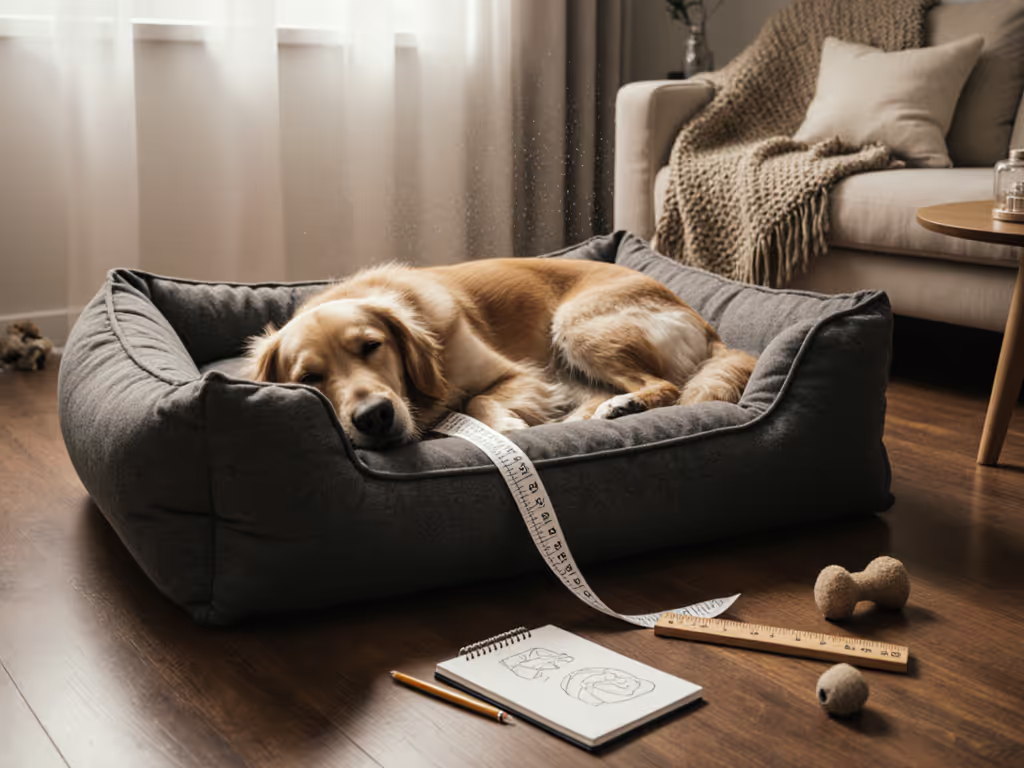
Ask yourself: Does your dog actually choose the bed, or avoid it? Does the bed maintain its shape and support after weeks of use, or does it flatten and compress? Is your dog waking stiff or reluctant to rise in the morning? These answers reveal whether the current bed aligns with their body's actual needs.
Step 4: Select Materials and Features Aligned to Stage
For puppies, prioritize a nest-style, bolstered design with breathable cover and medium-firm support. For adults, match foam density to body weight and position (denser for sprawlers and heavier dogs; medium for average adults). For seniors, invest in orthopedic-grade foam with reinforced edge support and easy-clean covers that accommodate age-related changes.
Step 5: Test Fit and Temperature Response
Place the bed in your dog's preferred sleeping location. Monitor sleep quality over 2 to 3 weeks. Is your dog sleeping more deeply? Rising with ease? Choosing the bed willingly? These signals confirm alignment and temperature are working in concert.
Your Next Step: Audit and Align
Start by observing your dog's current sleep, not for one night, but across a full week. Note their total sleep hours, how they settle, and whether they seem truly restful or restless. Then cross-reference their life stage with the sleep patterns and support needs outlined here.
If your dog is transitioning between life stages (a puppy approaching 9 months, an adult reaching 7 years), now is the time to reassess. A bed that supported them beautifully at one stage may no longer align with their body's changing needs. Real comfort starts with alignment, and alignment begins with honestly observing how your dog sleeps, then choosing materials and design that honor that reality, not marketing promises.
Related Articles