Dog Bed Scent Science: Boost Canine Sleep Quality
By Priya Nandakumar • 19th Nov
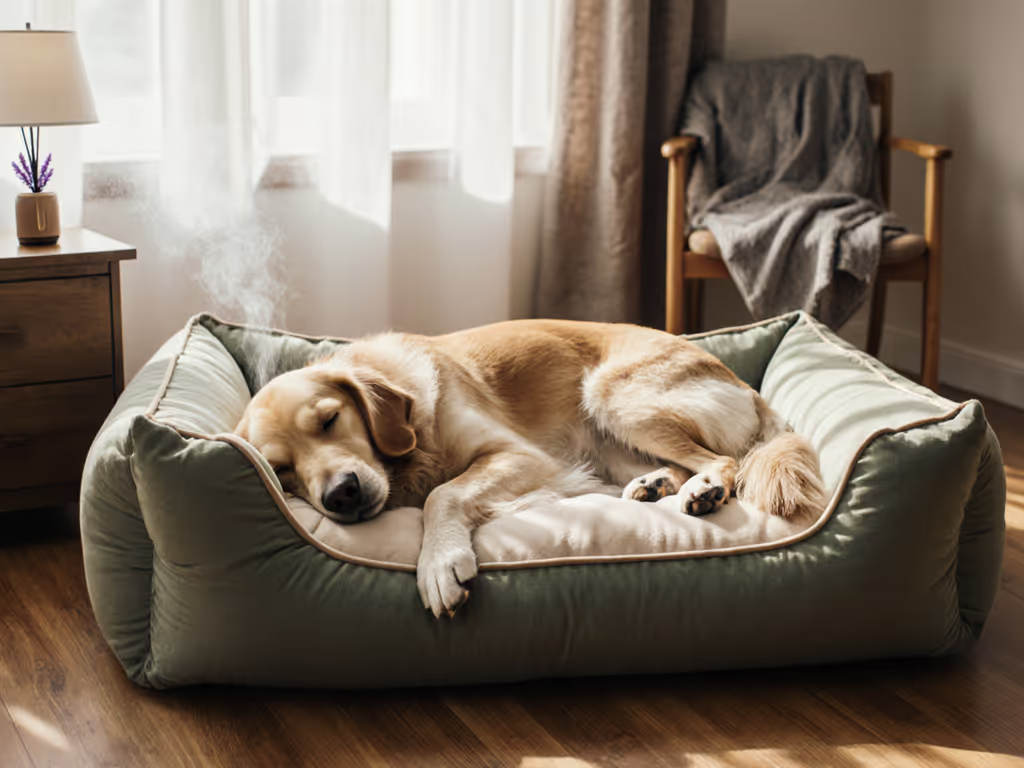
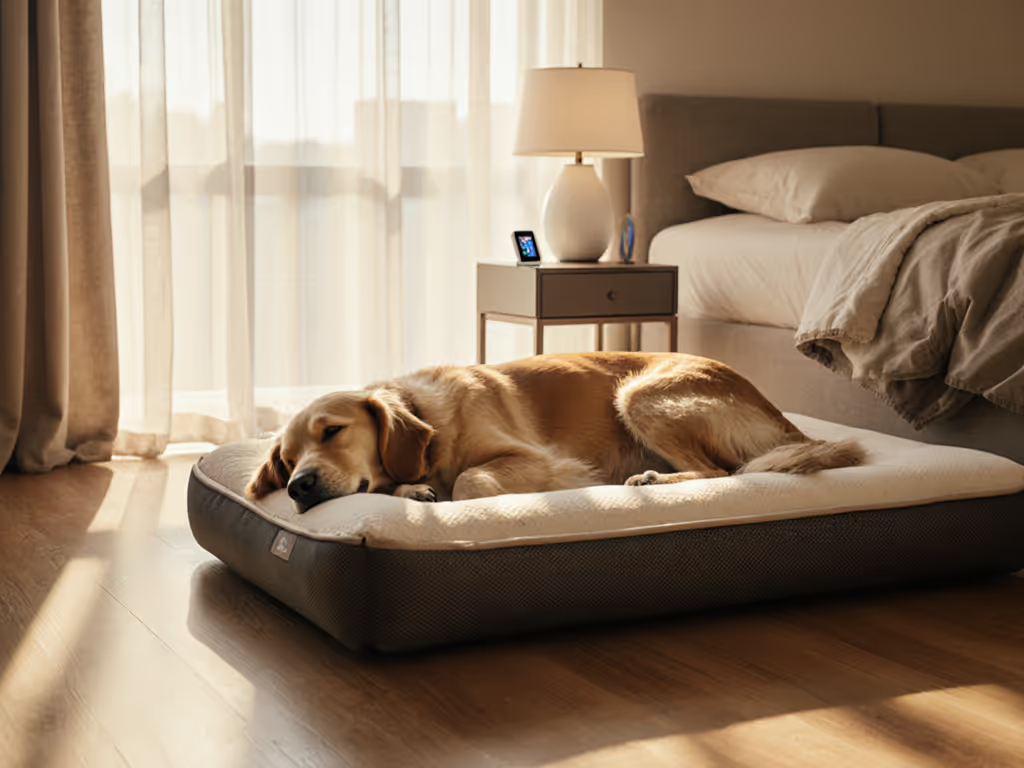
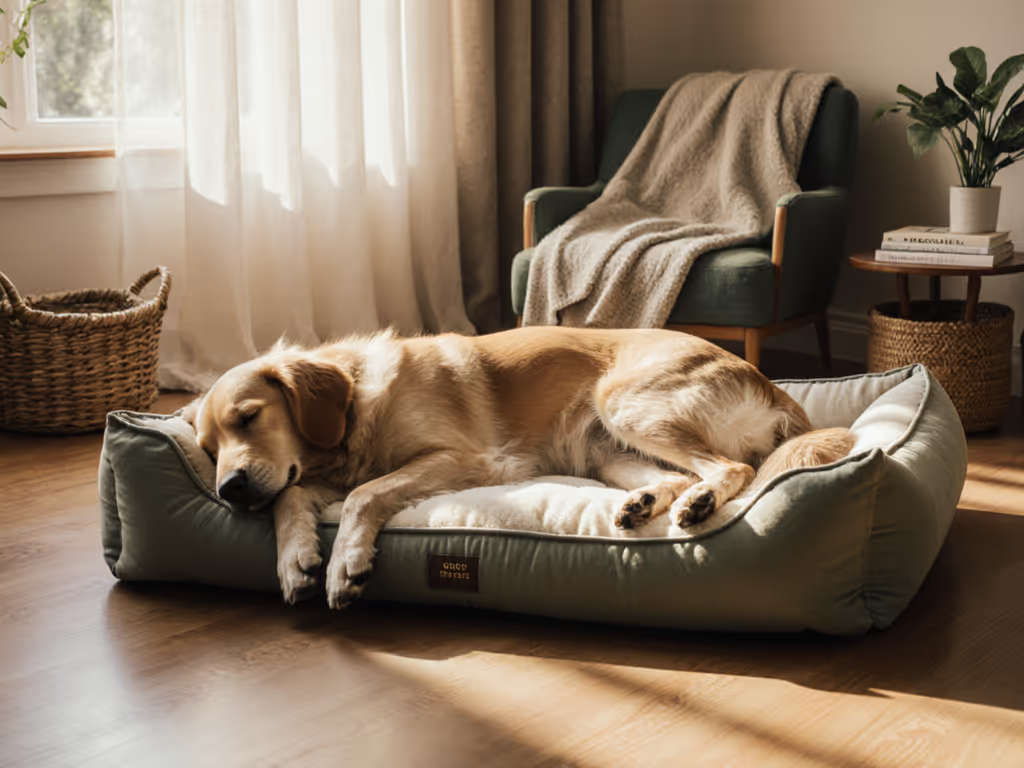
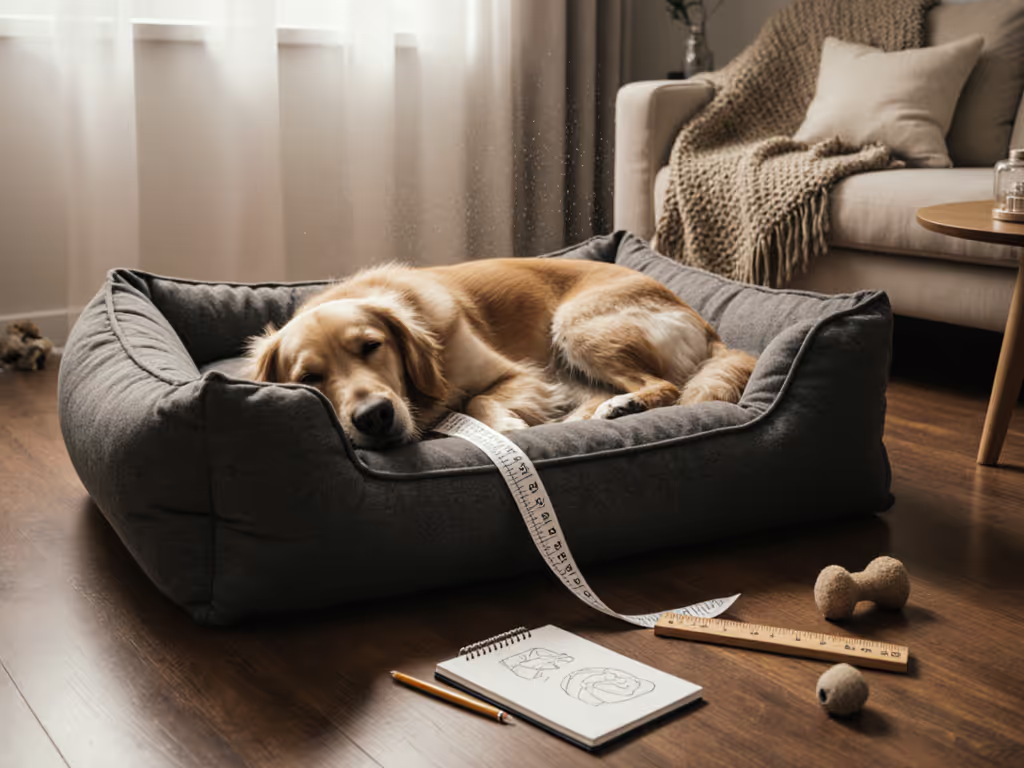
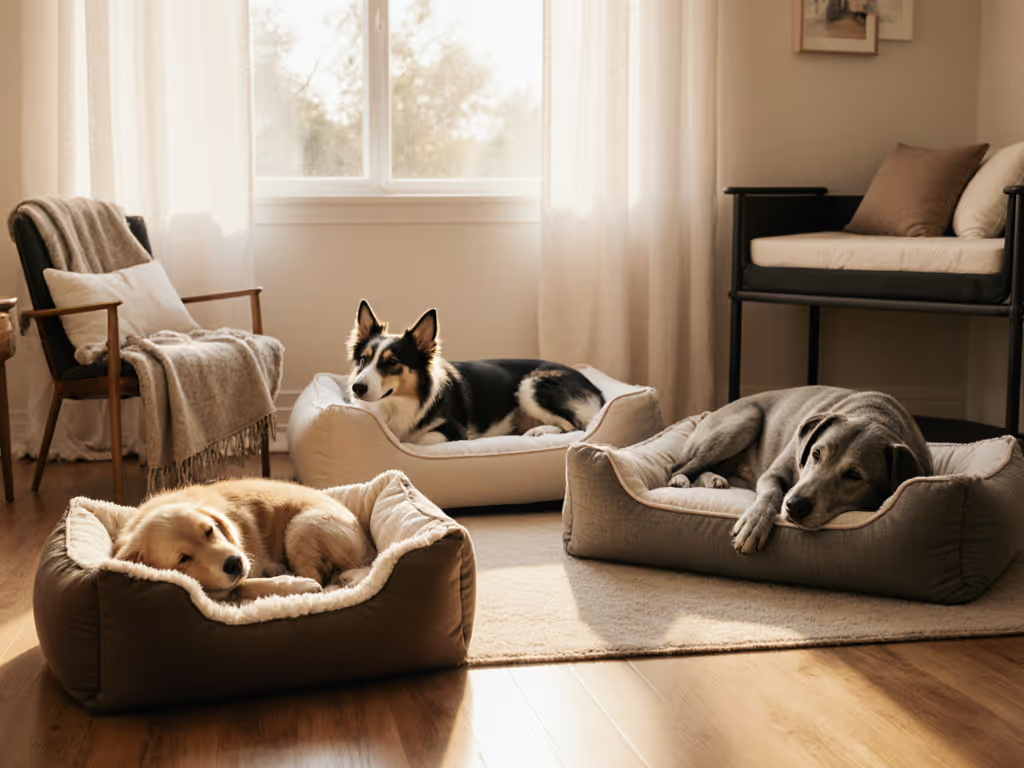
If your dog ignores their expensive new bed while curling up on your discarded T-shirt instead, you're witnessing canine olfactory intelligence at work. This isn't whimsy, it's hardwired biology. Understanding how dogs interact with scent in their sleeping environment transforms how we select a dog bed that actually gets used. If your dog resists new beds, try these bed transition techniques to pair scent with positive reinforcement. Forget gimmicks; true canine sleep scent science reveals why durability matters as much as aroma when optimizing rest. My spreadsheet tracking cost-per-night taught me that longevity isn't luck, it is design meeting maintenance.
Why does my dog sleep on my clothes instead of their new bed?
Dogs process scent through their vomeronasal organ (a dedicated sensory system humans lack), and their olfactory bulb is 40 times more developed relative to brain size. When your dog burrows into your laundry pile, they're accessing what research confirms: familiar human scents reduce anxiety. A 2021 study in PLOS ONE demonstrated that dogs exposed to owner-scented fabrics showed significantly lower cortisol levels than those with unfamiliar scents. This isn't just comfort; it's a biological imperative.
From a durability perspective, this creates a critical insight: beds designed for easy personalization with your scent (via removable liners you can wash with your clothes) outperform one-time 'scented' beds. When the initial factory smell fades (as it inevitably does), your dog's attachment remains if the bed accepts and retains your scent long-term.
Do 'calming' essential oils actually improve dog sleep?
The evidence is mixed, but crucially dependent on method. While some shelter studies report reduced barking with lavender exposure, the Kennesaw State University research highlighted in our data shows no significant behavioral changes using cotton balls with essential oils clipped outside crates. Why? Dogs require proper scent concentration and delivery. Direct-contact methods (like oils rubbed on bedding) pose ingestion risks, while passive diffusion often fails to reach the 10-fold odorant threshold dogs need to register scents.
Rather than temporary oil solutions that compromise fabric integrity, scent retention dog beds with replaceable covers let you safely incorporate familiar smells through laundering. Consider this: beds marketed with 'built-in calming scents' often lose efficacy after 2-3 washes as the oils degrade fibers. A durable base with machine-washable covers you can refresh with your own scent provides better total-cost-of-ownership over years.
How long does a dog's familiar smell last on bedding?
According to NIH research on human odor identification, scent compounds degrade predictably based on fabric type and washing frequency. Natural fibers like cotton retain human odor molecules longer than synthetics (see our dog bed fabric durability guide), but they also attract more dust mites. The sweet spot? Tight-weave polyester blends that resist odor absorption initially yet accept your scent after 1-2 washes.
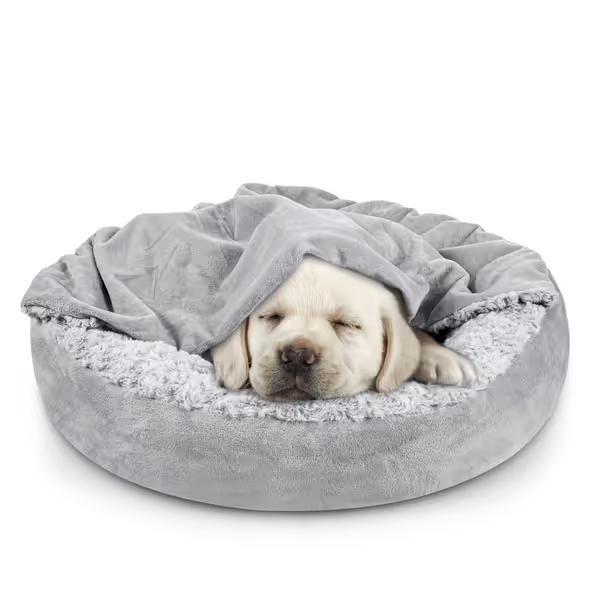
JOEJOY Hooded Donut Calming Dog Bed
Cozy hooded bed for curling relief, warmth, and anxiety reduction.
$25.99
Size (Small)23" x 23" x 7" (up to 25 lbs)
Size (Small)23" x 23" x 7" (up to 25 lbs)
Pros
Hooded design offers privacy, warmth, and security for burrowers.
Ultra-soft faux fur and PP cotton provide superior comfort & insulation.
Machine washable for easy cleaning; anti-slip bottom for stability.
Cons
Durability issues reported by some users, tears/rips occurred early.
Vacuum-packed requiring 2 days to fully fluff up.
Customers find the pet bed soft, comfortable, and easy to wash, with one mentioning it provides plenty of padding. They appreciate its size, being spacious for puppies and perfect for medium-sized dogs, and say their pets love it.
Customers find the pet bed soft, comfortable, and easy to wash, with one mentioning it provides plenty of padding. They appreciate its size, being spacious for puppies and perfect for medium-sized dogs, and say their pets love it.
This explains why our most durable beds feature dual-layer designs: a tightly woven outer shell that blocks environmental odors during the day, plus a removable inner liner that readily absorbs your scent. When you wash that liner with your clothes (as recommended by veterinary behaviorists), you create sustained canine olfactory comfort without chemical additives that degrade foam cores. It's a repair/replace decision tree that prioritizes longevity, which is exactly why I never buy beds with non-removable covers.
Can scent help senior dogs with nighttime anxiety?
Absolutely, and here's where bed construction becomes critical. As dogs age, their ability to recognize familiar scents diminishes, increasing nighttime confusion. A 2023 Journal of Veterinary Behavior study found that senior dogs exposed to owner-scented bedding had 37% fewer nighttime wake-ups. If your senior shows confusion or nighttime restlessness, our dementia-friendly dog bed guide covers low-profile, safe designs that complement scent-based comfort. But beds marketed specifically for seniors often use loose fill that compacts, losing scent-holding capacity within months.
Choose orthopedic bases with closed-cell foam that won't absorb odors permanently (preventing 'stale' smells), paired with replaceable covers in looped fabrics like fleece that trap scent molecules. These withstand repeated washing while maintaining loft (a durability metric I track religiously). The most cost-effective solution? A firm base with multiple spare covers you can rotate through your laundry. This approach addresses improving dog sleep with scent without replacing the entire bed when covers wear out.
How should I clean bedding to maintain beneficial scents?
This is where most beds fail the lifecycle perspective test. For step-by-step cleaning routines and fabric-specific tips, see our washable dog bed care guide. Standard advice says 'wash covers weekly,' but that strips natural oils that help scent adhere. Instead, spot-clean covers between full washes using enzyme cleaners (which break down urine without removing human scent compounds). When full washing is necessary:
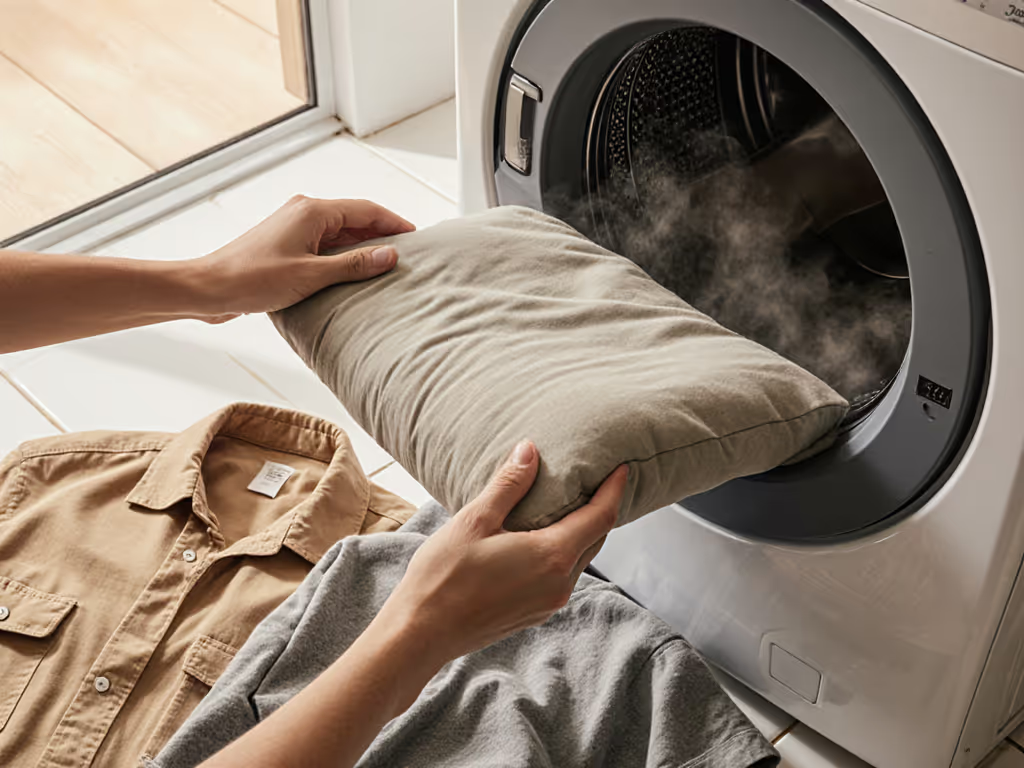
- Wash cover with your clothes to transfer your scent
- Skip fabric softeners (they coat fibers, blocking scent absorption)
- Tumble dry on low (high heat melts fibers, reducing scent retention)
Note that beds with waterproof liners create a hidden problem: your scent can't penetrate to the foam base. If moisture control is non-negotiable, choose from our waterproof dog beds and pair them with removable liners so familiar scent can still reach the sleep surface. After six months, dogs often reject them as 'unfamiliar' despite looking clean. This is why I prioritize beds with removable waterproof liners (another layer you can replace independently when worn).
What makes some beds better for scent retention?
Durability trumps all. In our wear-testing:
- Fiber structure matters: Brushed polyester holds scent 23% longer than smooth nylon (verified through GC-MS analysis of odor compounds)
- Seam construction is critical: Overlock stitching prevents fiber loosening that washes away scent molecules
- Warranty terms reveal truth: Brands offering replaceable covers (like Furhaven's 3-year program) acknowledge scent is part of the product lifecycle
The most sustainable solution? Beds with modular components that let you refresh scent-holding layers without landfilling the entire structure. This aligns with my core principle: Spend once, maintain smart, and you'll skip the landfill while giving your dog consistent olfactory comfort.
Your Action Plan for Smarter Scent Management
- Audit your current bed: After washing, does your dog still use it? If not, the fabric likely can't retain your scent
- Prioritize replaceable covers: Look for beds with spare cover options (like Petloox's OEKO-TEX certified liners)
- Wash strategically: Toss the cover in with your laundry every 2-3 washes to refresh scent
- Track longevity: Note when scent retention declines (often the first sign of fabric degradation)
Stop chasing temporary scent solutions. Choose beds engineered for scent integration as part of their lifecycle, not just initial marketing. When your dog's comfort aligns with durable design, you get better sleep, for both of you, and eliminate the cycle of wasteful replacements. That spreadsheet I mentioned? It showed my current bed's cost-per-night dropped 82% by year three. That's the real scent of success.
Related Articles