Dementia-Friendly Dog Beds: Safety & Sleep Solutions
By Priya Nandakumar • 13th Nov
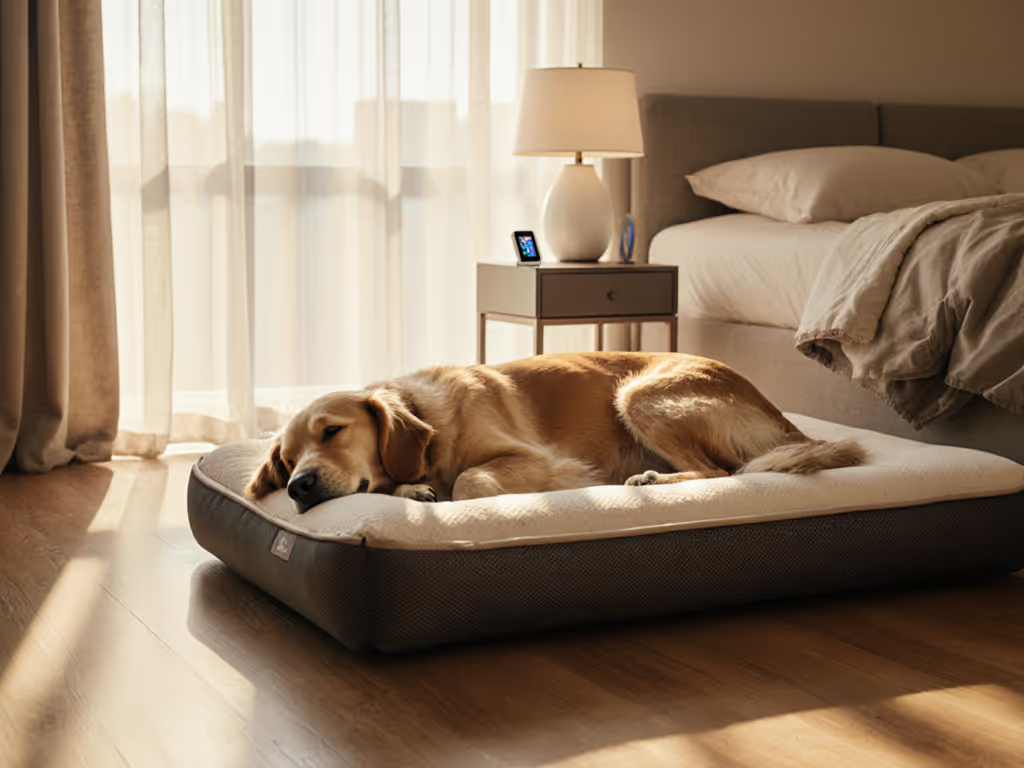
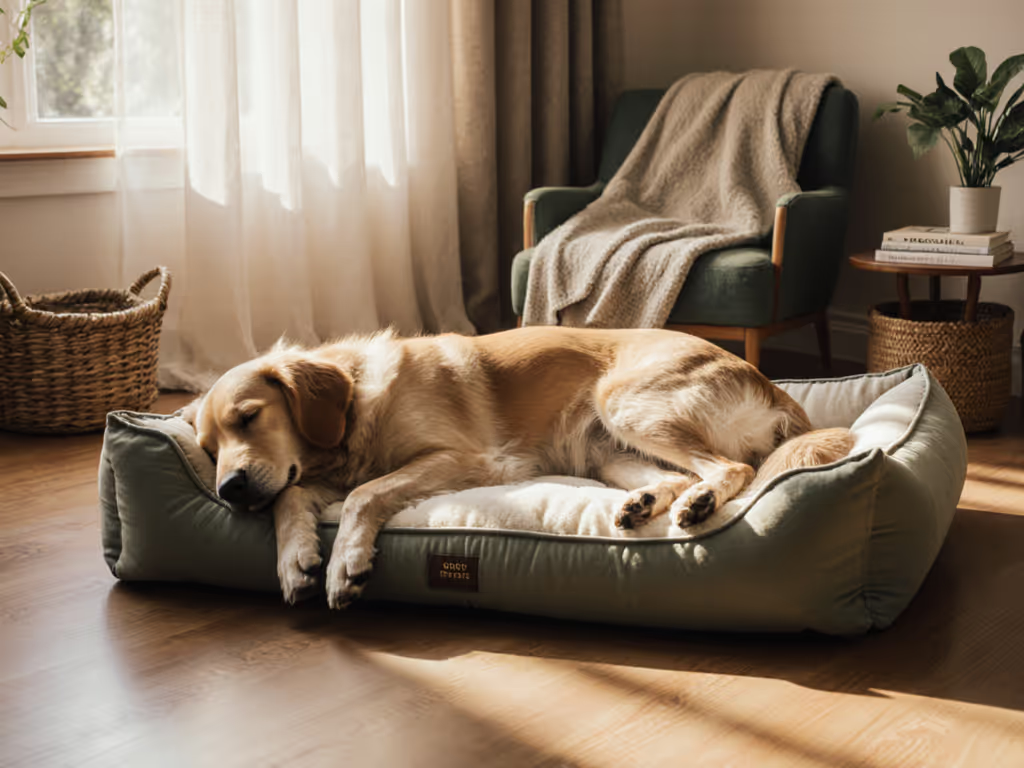
As your dog ages, finding the right dog bed becomes more than just comfort, it is a critical safety issue. For dogs with cognitive dysfunction, a well-designed cognitive dysfunction dog bed can mean the difference between restful nights and dangerous confusion. I've evaluated hundreds of beds through the lens of longevity and practical care, and what I discovered after tracking cost-per-night on my own dogs' beds changed everything: your senior companion deserves more than a temporary solution. Spend once, maintain smart, and skip the landfill.
What Makes a Bed Truly Dementia-Friendly?
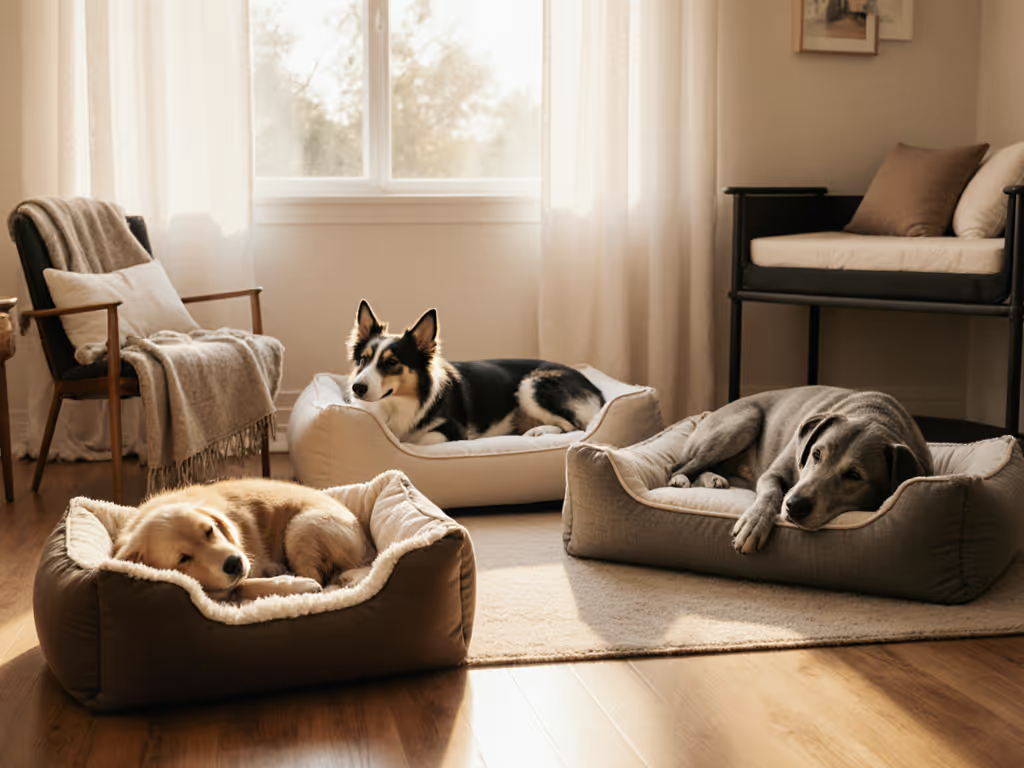
Dementia in dogs (often called Canine Cognitive Dysfunction or CCD) creates unique sleep challenges that standard senior beds do not address. Dogs with CCD frequently experience nighttime confusion, loss of house training, anxiety-driven pacing, and reduced spatial awareness, which means your typical orthopedic bed might actually create hazards.
When evaluating dementia-friendly designs, look for these evidence-based features:
- Non-slip bases that stay firmly in place (hardwood floors become navigation hazards for disoriented dogs)
- 360-degree bolster walls that provide tactile cues to prevent falls without trapping confused dogs
- Removable waterproof liners that protect against accidents without compromising comfort
- Washable covers that withstand frequent cleaning without degrading
- Predictable textures throughout (sudden changes can trigger anxiety)
- Low-profile entry points that accommodate stiffness yet prevent accidental rolls
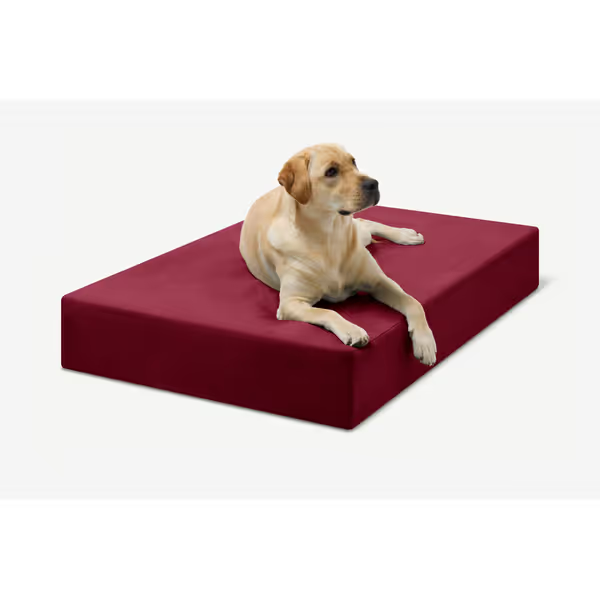
Barker Beds Large Orthopedic Dog Bed
Premium 7" orthopedic memory foam for large dogs' ultimate joint support.
$199.95
Mattress Thickness7-inch Memory Foam
Mattress Thickness7-inch Memory Foam
Pros
Clinically proven joint pain reduction for large/senior dogs.
Durable, washable microsuede cover with 10-year warranty.
Sustainably made in USA, maintains shape over time.
Cons
May be too firm for some dogs (middle layer is dense).
Limited color options for home decor matching.
“Fantastic quality and value - half the price of Orvis beds and comes with a 10 year warranty... My Great Dane sleeps well on it.”
“Fantastic quality and value - half the price of Orvis beds and comes with a 10 year warranty... My Great Dane sleeps well on it.”
Why Standard Senior Dog Beds Fail Dogs with Cognitive Dysfunction
Most "senior dog bed safety features" on the market miss the mark for dementia care. Memory foam that flattens after six months creates uneven surfaces that disoriented dogs cannot navigate safely. See our 6-month memory foam support test for proof of which foams keep their shape for senior dogs. Bolsters that are too high become barriers to entry during confusion episodes, while inadequate edge support contributes to falls.
From a total cost of ownership perspective, this is where most pet parents get trapped in a cycle: buying a $70 bed that seems affordable until it needs replacing every 8 to 12 months. When you calculate the true cost per night for a bed that lasts three years versus one replaced annually, the math becomes undeniable.
My first 'deal' bed flattened in months and headed to the trash. Tracking cost per night hurt. I switched to a model with a replaceable cover and firm core, stitched repairs twice, and hit three years. That spreadsheet changed me: longevity isn't luck; it is design, maintenance, and honest warranties.
What Dementia-Friendly Bed Design Gets Right
True dementia-friendly design understands that cognitive dysfunction requires both physical safety and psychological security. The best dementia-friendly dog bed design incorporates:
Behavioral awareness: Dogs with CCD often circle incessantly or get "stuck" in corners. Round or oval beds without sharp corners prevent dangerous corner-trapping during confusion episodes.
Predictable maintenance: Dogs with cognitive decline frequently experience incontinence. A bed with a truly machine-washable cover and replaceable waterproof liner avoids the odor buildup that can trigger anxiety.
Strategic firmness: While softness feels comforting initially, dogs with dementia need enough support to reposition themselves safely during the night. Memory foam that maintains 80%+ loft retention after 12 months provides the consistent surface dementia dogs require. If you're unsure what density your dog needs, use our foam density by weight guide.
Critical Maintenance Considerations for Cognitive Dysfunction Dog Beds
The senior dog sleep aids that last longest address the reality of CCD care:
Spend once, maintain smart, and skip the landfill.
- Replaceable covers: When accidents become frequent (affecting 43% of dogs with moderate CCD), the ability to swap covers prevents cross-contamination and maintains familiar scent cues during wash cycles.
- Modular construction: Beds with separate bolster and base components allow replacement of worn sections without discarding the entire unit. This isn't just eco-friendly (it's practical dementia care).
- Warranty transparency: Look for specific "no flatten" guarantees with minimum density requirements (at least 3.5 lbs/cubic foot for memory foam); our dog bed warranty comparison explains which terms actually protect you.
Evaluating True Value: Beyond the Price Tag
When selecting a dementia-friendly bed, conduct this simple repair/replace decision tree:
Current bed issue → Can I fix it with under $15 in materials?
 Yes → Make repair, track maintenance time
 No → Does bed have replaceable components?
 Yes → Order replacement part (calculate cost vs. new bed)
 No → Total cost of ownership analysis: price ÷ (estimated lifespan × 365)
This approach reveals that a $199 bed with replaceable covers and a 5-year lifespan actually costs less per night than a $69 bed replaced annually, a critical consideration when your dog's safety depends on consistent bedding.
The Hidden Hazard of Inappropriate Bedding
Dogs with cognitive dysfunction process environmental changes poorly. A bed that smells strongly of detergent after washing, slips on floors, or features inconsistent textures can trigger increased anxiety and nighttime roaming, potentially leading to falls or injuries. Choose calming bed options for dogs with:
- Pre-washed, odor-free materials that won't trigger sensory overload
- Textures that remain consistent after washing
- Non-toxic, CertiPUR-US certified foams (avoiding chemical sensitivities that can worsen cognitive symptoms)
Actionable Next Steps for Dementia Bed Selection
Before purchasing, conduct this 15-minute home assessment:
- Map nighttime pathways - Follow your dog's likely route if disoriented
- Identify danger zones - Note stairs, furniture edges, and slippery surfaces
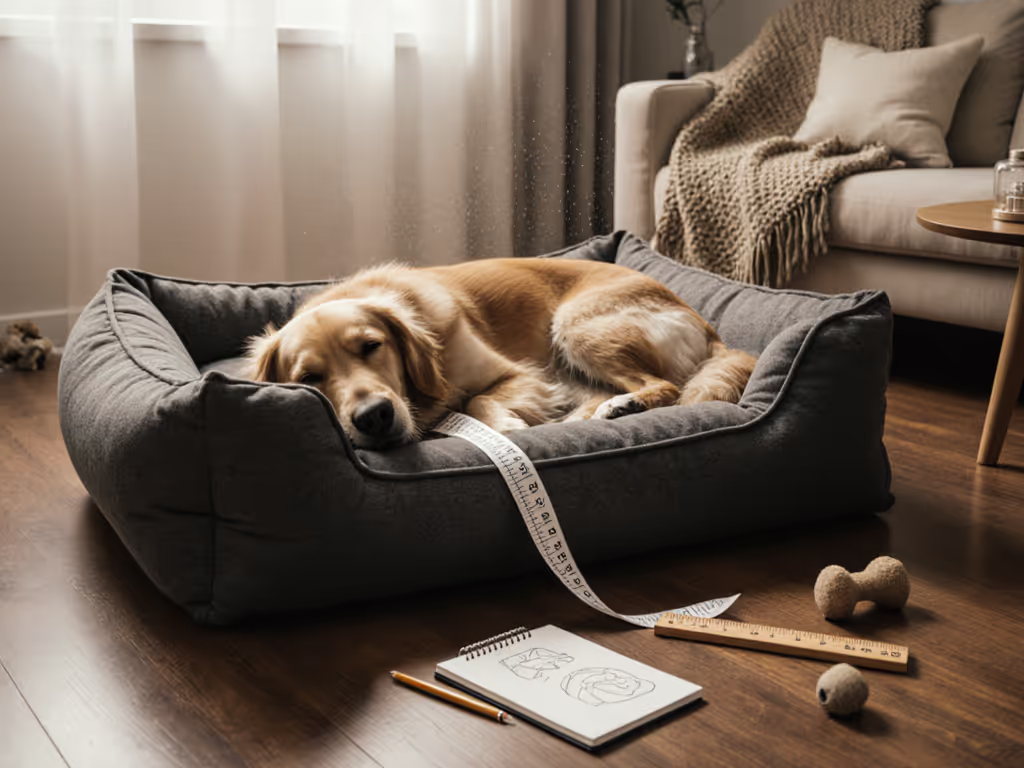
- Test bed placement - Place a cardboard cutout of the proposed bed size in the location For room layout tips that reduce disorientation, see our optimal dog bed placement guide.
- Assess cleaning feasibility - Can you comfortably move the bed for accident cleanup?
Then, prioritize beds meeting these minimum standards:
- Minimum 3-year warranty with a clear replacement part policy
- Fully removable, machine-washable components
- Verified density specifications (not just "orthopedic" marketing)
- Non-slip base that maintains grip when wet
- Round or oval design with a continuous bolster
When dementia changes your dog's relationship with their environment, their bed becomes an anchor of safety. Choose wisely, not based on today's price but on tomorrow's needs. By selecting a bed designed for longevity and maintenance, you're not just buying comfort. You're investing in safety, reducing waste, and honoring your companion's journey with the dignity they deserve. The right choice today means fewer middle-of-the-night crises tomorrow, and that peace of mind is priceless.
Spend once, maintain smart, and skip the landfill.
Related Articles