
Dog Bed Color Psychology: Colors That Ease Canine Stress
By Priya Nandakumar • 15th Dec
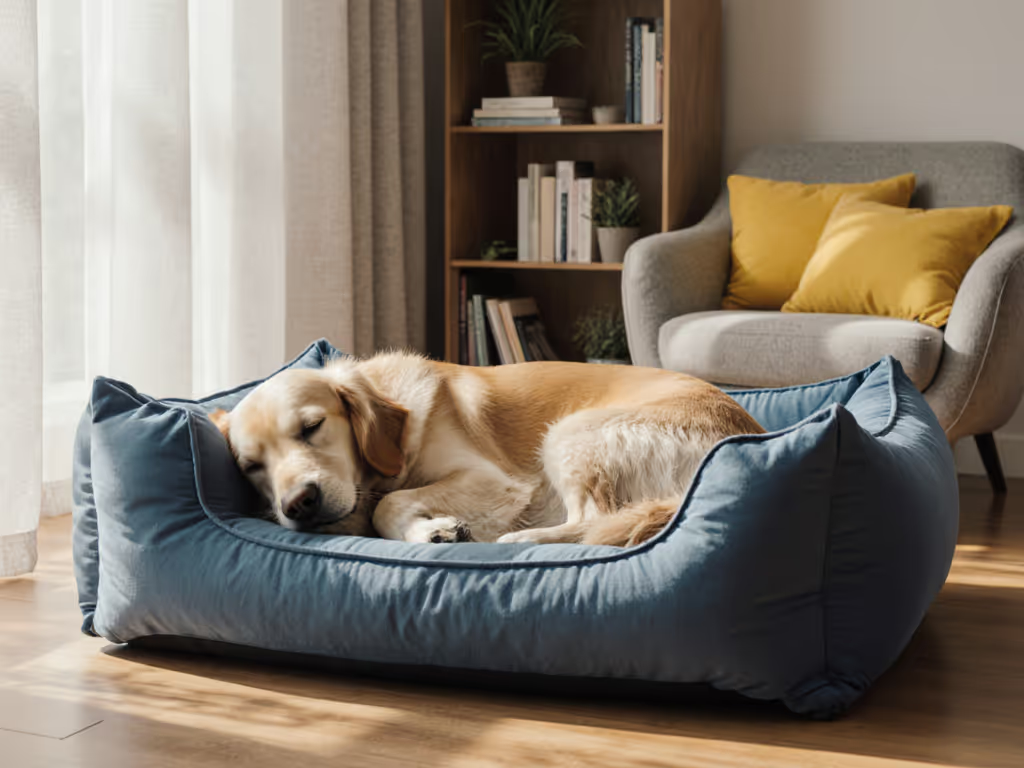
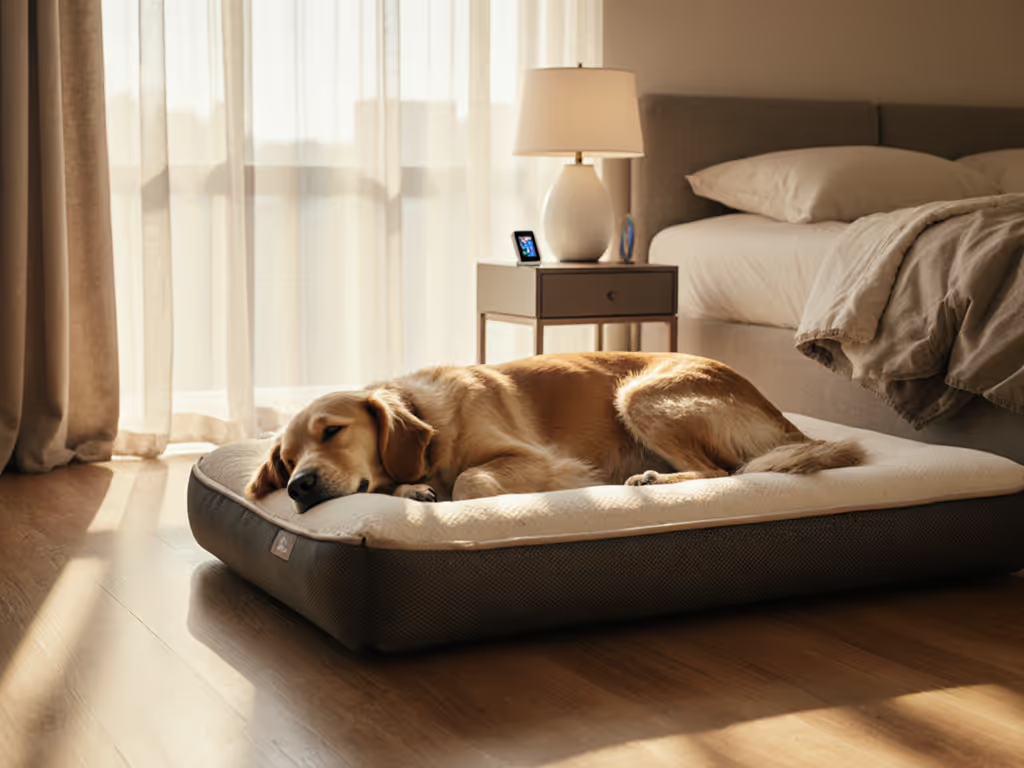
Understanding dog bed color psychology requires first grasping the reality of canine color perception. Despite the persistent myth that dogs see only in black and white, modern research confirms they experience a limited color spectrum (primarily shades of blue and yellow). This isn't just academic trivia; it directly impacts how we select bedding that genuinely reduces stress rather than contributing to it. As someone who's evaluated hundreds of beds through a lifecycle perspective, I've found that ignoring how dogs actually see their environment leads directly to wasted purchases and unnecessary turnover.
The Reality of Canine Color Vision (And Why It Matters)
Dogs possess dichromatic vision with only two types of color receptors (cones) compared to humans' three. This means they see the world primarily in yellows, blues, and various grays, not greens, reds, and oranges that dominate human color schemes. Research published in the Proceedings of the Royal Society B demonstrates that dogs more reliably distinguish objects based on hue than brightness alone, contrary to previous assumptions.
Value is lifespan, not list price. This applies not just to construction but to design choices that affect whether your dog will actually use the bed consistently.
This distinction matters because:
- Dogs can't differentiate between green grass and a red toy (both appear as similar yellowish tones)
- Blue and yellow objects stand out distinctly against most natural backgrounds
- High-contrast environments reduce visual stress for dogs with limited color perception
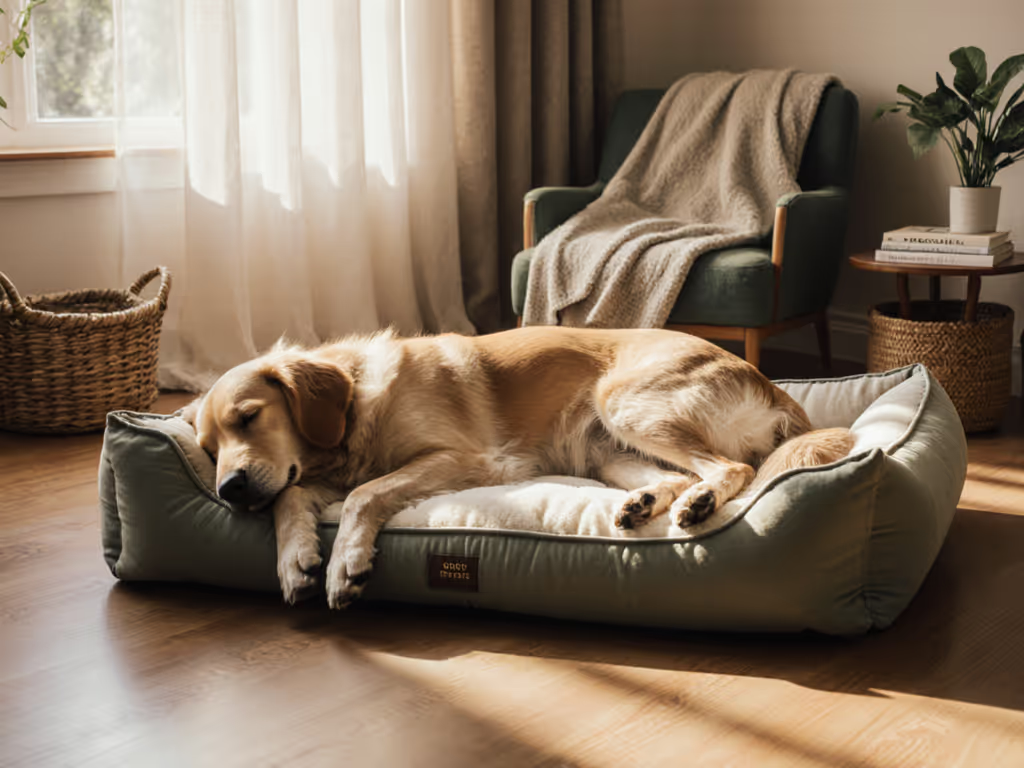
When you place a bright red bed on a green rug, your dog likely sees two indistinct yellowish shapes without clear boundaries, potentially increasing anxiety as they struggle to orient themselves in space. The bed essentially disappears into its surroundings from their perspective. If your dog has reduced vision, our vision-impaired bed guide explains how high-contrast colors and textured borders improve navigation and security.
How Color Mismatch Contributes to the "Ignored Bed" Problem
One of the most frequent pain points pet owners report is their dog ignoring an expensive bed. If your dog resists a new setup, use our bed transition training guide for scent transfer and gradual introductions that actually work. While comfort and texture play major roles, color perception is an overlooked factor. Consider this common scenario:
- You purchase a "calming dog bed" in earthy tones (greens, browns, reds)
- The bed blends with your home's natural wood floors and greenery
- From your dog's perspective, the bed lacks sufficient contrast against its surroundings
- Without clear visual boundaries, the bed feels unstable or invisible
This isn't merely theoretical. Veterinary behaviorists note that dogs with anxiety often seek clearly defined spaces. When their bed visually merges with the environment, it fails to provide the psychological safety zone they need. The result? More shredded furniture, restless nights, and that sinking feeling when you realize your $150 bed has become a decorative accessory.
Think of it as a repair/replace decision tree: Is your dog ignoring the bed because of poor construction (replace) or because they can't clearly perceive it as a distinct resting space (solution: different color)? Misdiagnosing this leads directly to unnecessary replacements and contributes to the cycle of wasteful pet product consumption.
Data-Driven Color Selection for Genuine Stress Reduction
Based on actual canine vision studies, not marketing hype, here's what works:
Optimal Colors for Stress Reduction
- True Blue (not teal or green-tinged): Stands out distinctly against most home environments
- Pure Yellow (avoid orange-tinged): Creates clear visual separation from neutral backgrounds
- High-Contrast Combinations: Blue bed on light wood floors, yellow bed against dark carpet
The key metric isn't "calming" in a human emotional sense, but visual clarity. Dogs feel safer when they can easily identify their resting space's boundaries. A blue bed against beige carpet creates the 40-50% contrast threshold dogs need to perceive distinct boundaries, critical for anxious dogs who need clearly defined safe zones. For dogs who settle best in enclosed, den-like spaces, see our calming cave bed review for anxiety-focused design insights.
Colors to Avoid for Stress Reduction
- Reds, oranges, browns (all appear as similar yellowish tones to dogs)
- Greens (blend with outdoor views through windows)
- Low-contrast combinations (tan bed on wood floors)
Remember that dog color vision science shows they perceive brightness differently too. A "light" color to humans might appear significantly darker to dogs. Testing your color choice against your specific flooring in natural daylight provides more reliable data than manufacturer claims.
Beyond Color: The Complete Stress-Reduction Framework
Color selection alone won't solve bedding issues if other critical factors are ignored. My total-cost-of-ownership framing requires evaluating the complete package.
Essential Non-Color Factors
- Texture contrast: A smooth bed surface should contrast with your flooring texture
- Edge definition: Raised bolsters in a contrasting color help define boundaries
- Scent integration: Your scent on removable covers creates familiarity
- Strategic placement: Away from high-traffic zones but visible to family members
A bed with replaceable covers in optimal colors represents the smartest investment. When the cover wears out (as all eventually do), replacing just that component (not the entire bed) aligns with a lifecycle perspective. I've tracked beds where owners extended service life by 2+ years through simple cover replacements in appropriate colors.
Your Action Plan: Making Evidence-Based Color Choices
Follow these steps to select bedding that genuinely reduces stress while maximizing value:
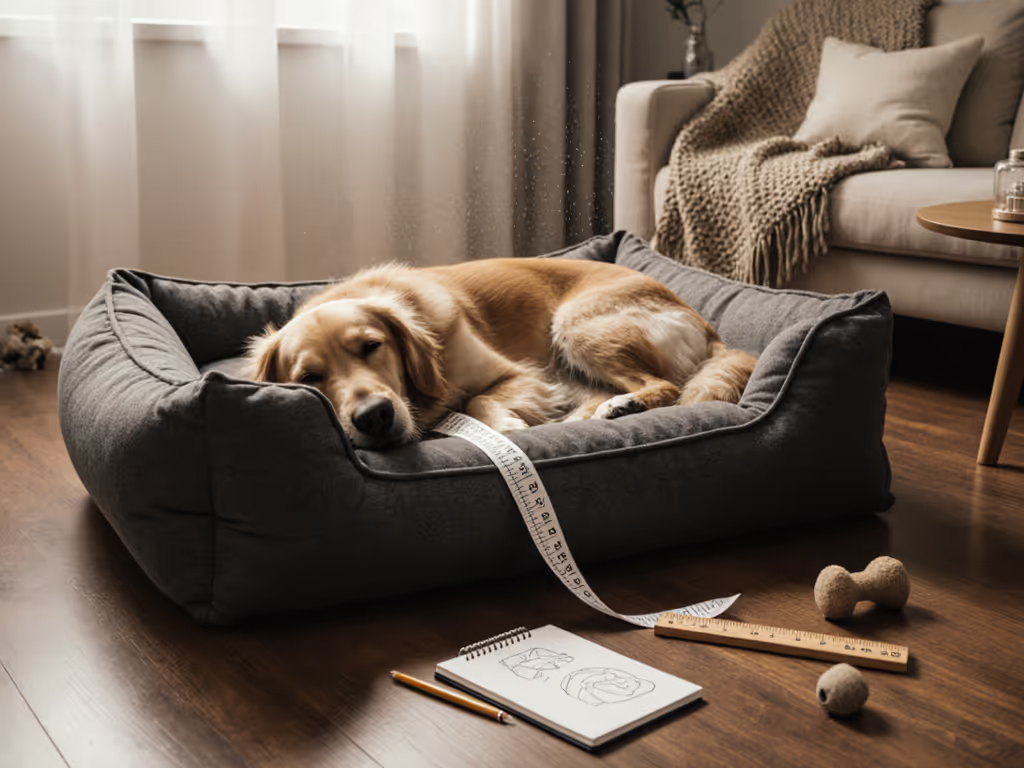
- Test visual contrast: Hold fabric swatches against your actual flooring in daylight
- Prioritize replaceable components: Choose beds with easily swapped covers in optimal colors
- Verify through observation: Does your dog approach the bed confidently? Do they settle quickly?
- Track usage patterns: Note if they consistently avoid certain colors despite equal comfort
When evaluating dog stress reduction colors, remember that your dog's experience matters more than your aesthetic preferences. That vibrant blue bed might clash with your decor, but if it means your dog finally uses their bed consistently (reducing anxiety and eliminating the need for constant replacements), you've achieved true value.
My first 'deal' bed flattened in months and headed to the trash. Tracking cost per night hurt. I switched to a model with a replaceable cover and firm core, stitched repairs twice, and hit three years. That spreadsheet changed me: longevity isn't luck; it's design, maintenance, and honest warranties. To protect that investment, compare coverage terms in our dog bed warranty comparison before you buy.
Spend once, maintain smart, and skip the landfill.
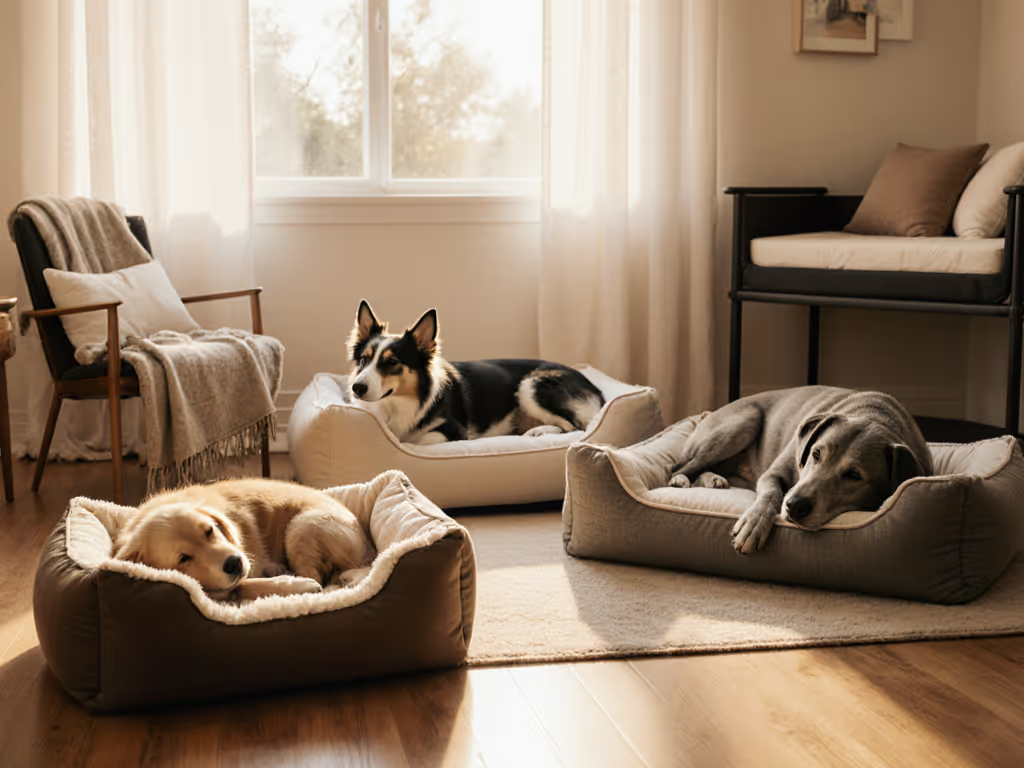
Choosing the right color isn't about creating a 'calming' environment through human assumptions: it's about designing a space your dog can actually perceive and trust. When you align your choices with canine color perception rather than human aesthetics, you create conditions where your dog feels secure, you avoid unnecessary replacements, and everyone sleeps better.
Related Articles