
Vision Impaired Dog Bed: Safe Navigation Design
By Luca Cheng • 10th Dec
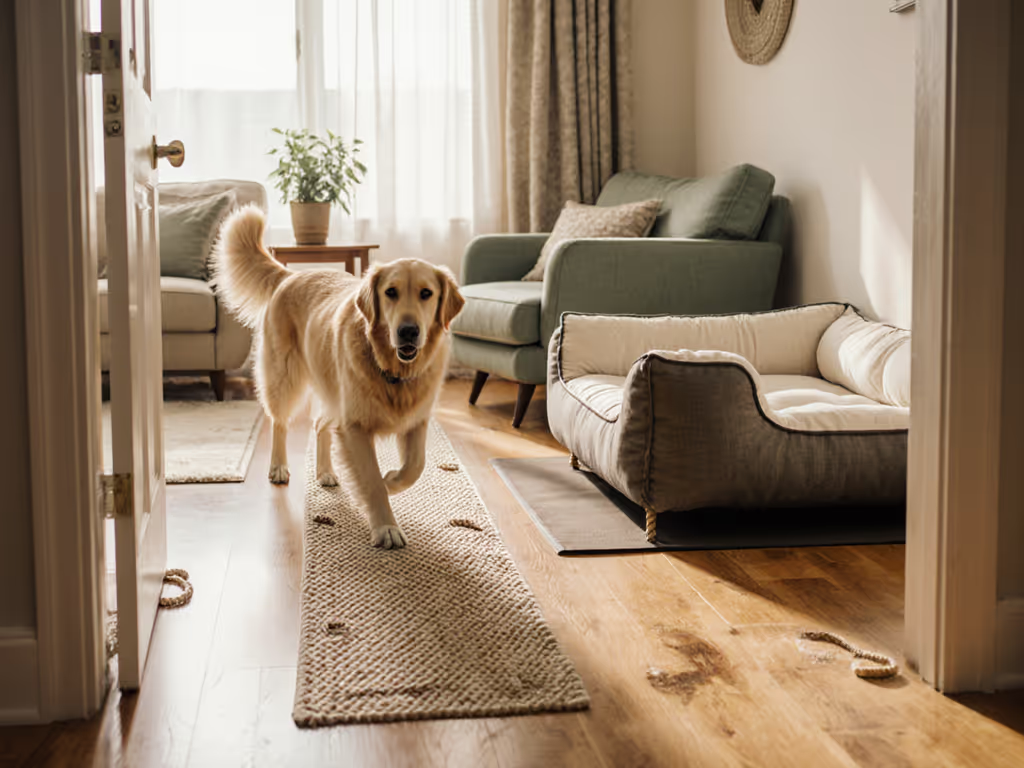
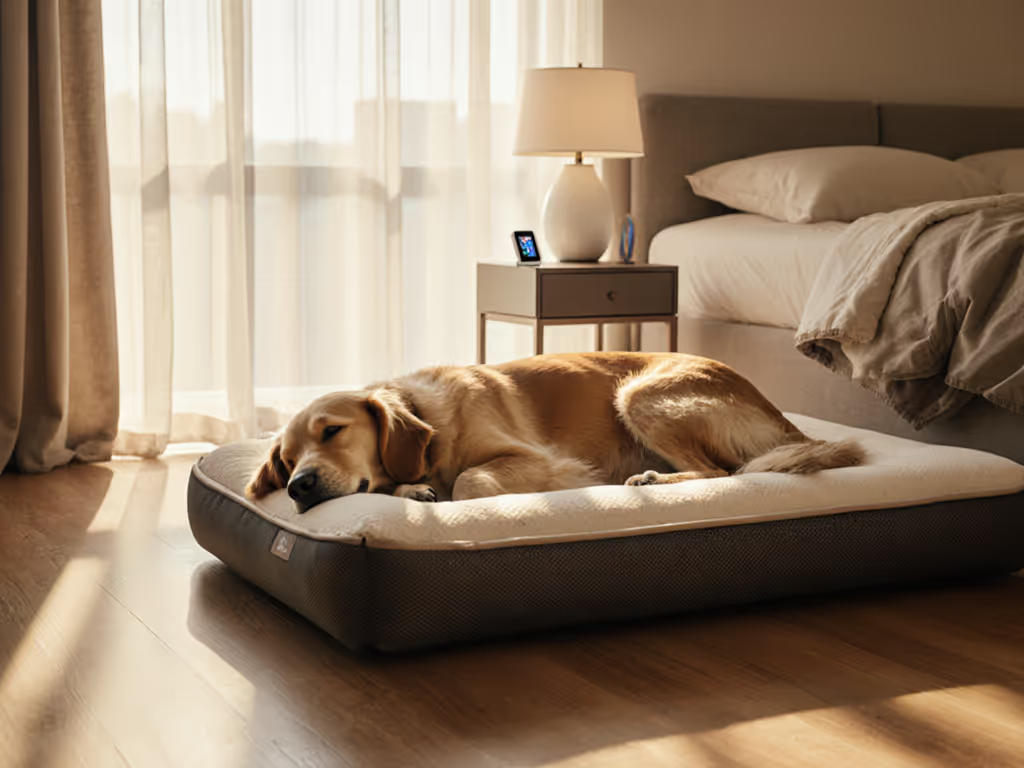
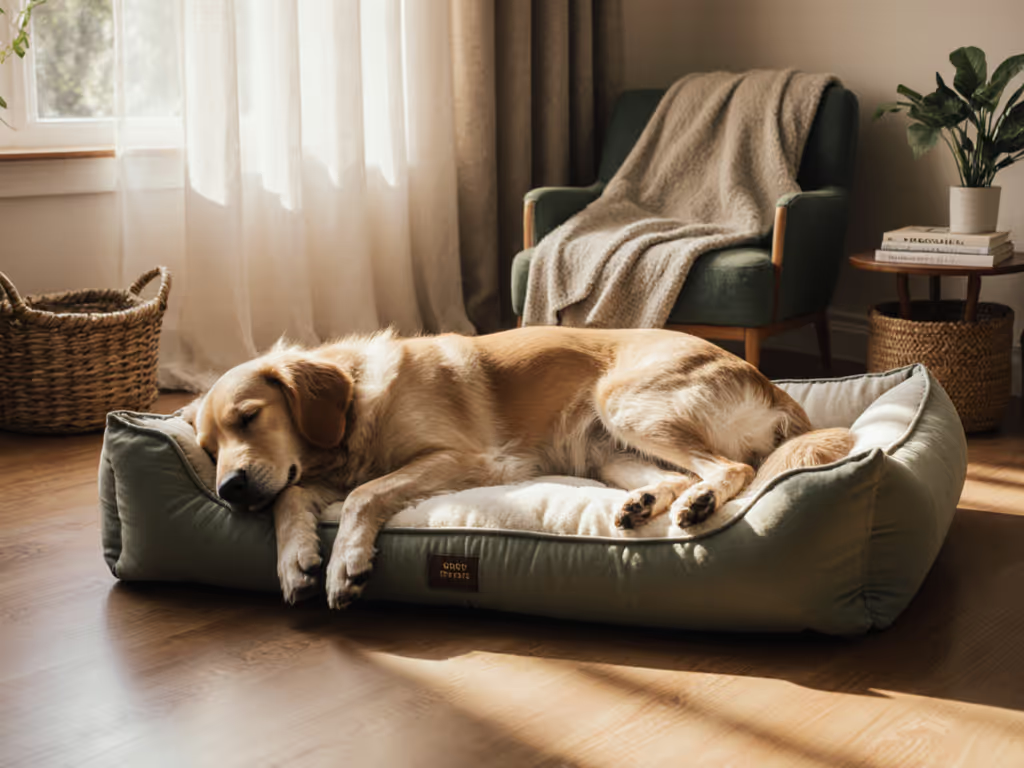
When your canine companion experiences visual impairment, creating a vision impaired dog bed setup isn't just about comfort (it's a matter of blind dog bed safety and spatial intelligence). As someone who optimizes how furniture and textiles interact with traffic patterns, I've seen how thoughtful placement transforms both a dog's confidence and a room's harmony. A bed that fits your space and habits gets used (and loved) daily, becoming an integrated part of your home ecosystem rather than an afterthought.
Understanding Blind Dog Navigation: More Than Just a Bed
Blind dogs navigate through a sophisticated sensory system that relies heavily on spatial memory, tactile feedback, and auditory cues. Recent studies show that dogs compensate for visual impairment by developing heightened awareness of environmental textures and spatial dimensions (they're measuring spaces at "dog scale" without us realizing it). This means their bed placement isn't merely about comfort; it's a critical anchor point in their mental map of your home.
Consider these spatial realities when designing your vision impaired dog bed setup:
- Traffic Flow Mapping: Dogs need consistent pathways between key destinations (water bowl, favorite resting spot, bathroom area). A 36-inch clearance between furniture pieces creates a reliable "corridor" that prevents accidental bumps.
- Tactile Landmarks: Textured rugs or mats (like a 3-foot by 2-foot rubber runner) placed strategically provide orientation points. I've noticed dogs develop trust in these sensory markers within 7-10 days of consistent placement. If your dog resists new layouts at first, try our behavioral transition techniques to help them accept new beds and pathways.
- Wall Anchoring: Positioning a bed within 6-12 inches of a wall gives dogs a physical boundary that prevents disorientation. This isn't just practical (it creates visual balance in your space by establishing intentional negative space).
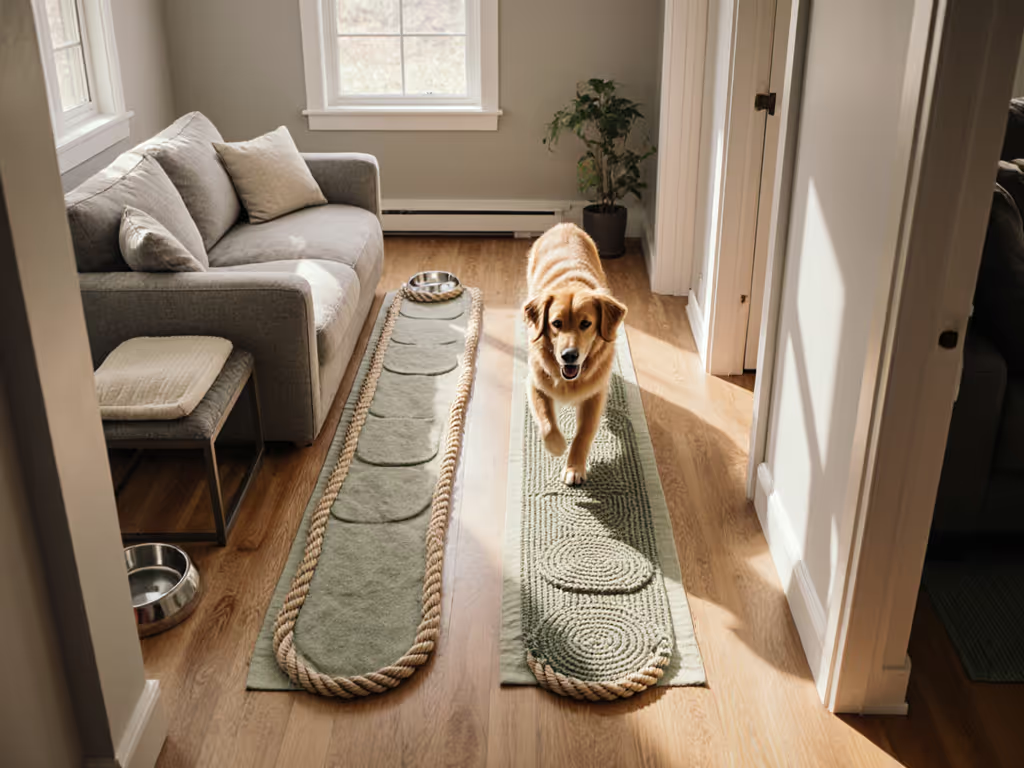
Comparative Analysis: Bed Placement Strategies
Corner Placement vs. Open Space Location
Many pet owners default to shoving a dog bed into a corner, thinking it's the "safest" spot. But my years of optimizing small spaces have shown me this often backfires for vision impaired dogs. When placed too tightly in a corner (less than 18 inches from perpendicular walls), dogs can become trapped and anxious when they need to exit quickly.
The superior approach? A "half-corner" placement:
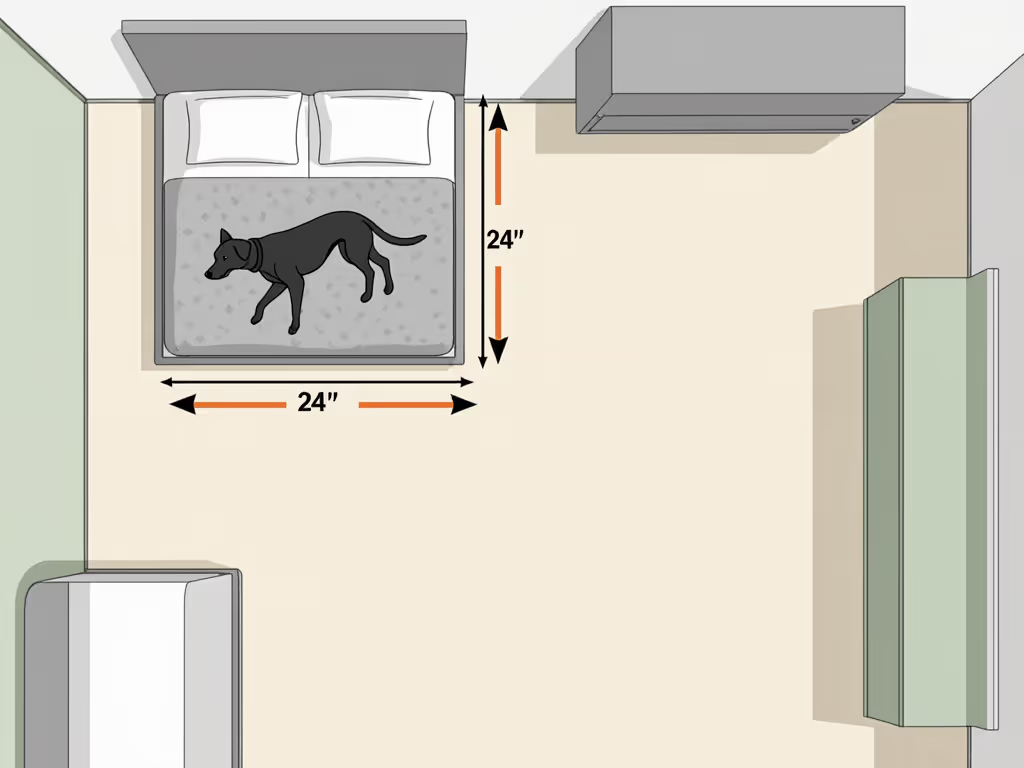
- Position the bed 12-18 inches from one wall and 24-30 inches from the perpendicular wall
- This creates a 90-degree escape route that maintains orientation while allowing freedom of movement
- Use a low-profile bolster that doesn't exceed 6 inches in height to maintain clear spatial boundaries
Furniture Integration Logic
In one memorable project, I placed a low-profile walnut frame bed adjacent to a bookshelf in a 500-square-foot studio, matching the rug's earth tone. This created visual continuity that made the room feel larger while giving the dog consistent spatial reference points. The strategic placement earned a spot in the client's living room rather than being relegated to a bedroom or hallway.
Consider these furniture integration principles:
- Height Matching: Position the bed at a height that aligns with nearby furniture legs (typically 10-14 inches off the floor) to create visual continuity
- Color Continuity: Select bed fabrics that echo one dominant color in your existing textiles (rug, curtains, sofa) to strengthen spatial recognition
- Flow Integration: Ensure the bed placement doesn't disrupt the natural traffic flow between high-activity zones like kitchen to living room
Floor Surface Considerations
Slip resistance isn't just about safety (it is about confidence). When evaluating surfaces for your vision impaired dog bed area:
- Hardwood Floors: Require a textured, non-slip rug underneath (minimum 1/4-inch pile) with edges secured to prevent tripping
- Carpeted Areas: Opt for low-pile carpet (under 1/2 inch) near the bed to prevent tripping while maintaining tactile feedback
- Tile/Vinyl: Place a rubber-backed mat under the bed that extends 12 inches beyond the bed's footprint
A bed that becomes part of your home's visual language rather than an isolated element creates confidence for both pet and owner.
The Aesthetic-Safety Balance
Many owners make the mistake of choosing either "safe but ugly" or "beautiful but impractical" solutions for their vision impaired dog bed. With careful consideration, you can achieve both.
Fabric Selection Strategy
For blind dog bed safety, prioritize fabrics with these characteristics: If chemical safety is a concern, start with our non-toxic dog bed safety guide to learn which materials and certifications to look for.
- Texture Contrast: A slightly nubby fabric (like canvas or tweed) provides tactile distinction from smooth floors
- Durability: Look for 600+ denier polyester that resists snagging from cautious pawing For a deeper dive into material pros and cons, see our dog bed fabrics guide.
- Color Psychology: Earth tones (sage, taupe, charcoal) provide subtle visual cues for partially sighted dogs while blending with home decor
Dimensional Awareness
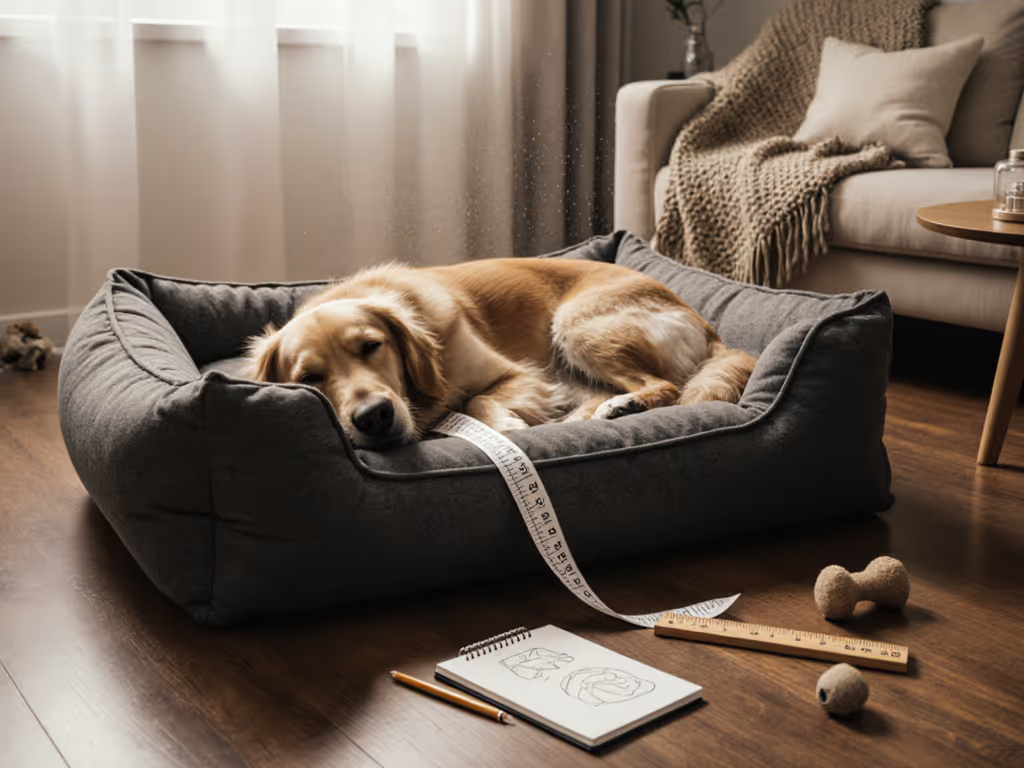
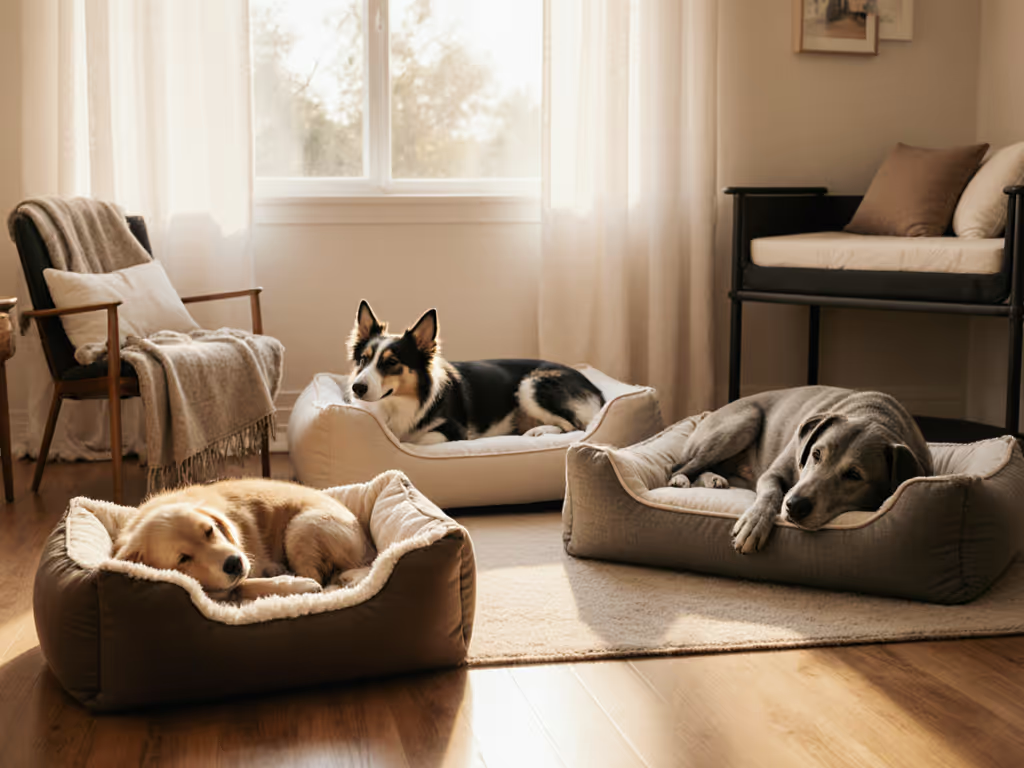
Large-breed dogs require different considerations than smaller breeds. To get sizing right from the start, follow our dog bed measuring guide for step-by-step measurements. For dogs over 50 pounds:
- Increase clearance zones to 42 inches minimum between furniture
- Select beds with a 10-12 inch footprint beyond the dog's fully stretched length
- Position beds away from high-traffic doorways (minimum 36 inches clearance)
Practical Implementation Checklist
When setting up your vision impaired dog bed space, verify these critical elements:
- Stable Footprint: The bed must sit completely flat with no rocking or tilting
- Clear Approach Paths: Minimum 24 inches of unobstructed space on at least two sides
- Textural Anchors: Consistent rug or mat under the bed that extends beyond its edges
- Visual Continuity: Color and texture that complements, rather than clashes with, your existing space
- Emergency Access: Unobstructed path to the bed that remains clear even when other furniture is moved
Conclusion: Design That Earns a Spot
Creating a vision impaired dog bed setup that supports both safety and aesthetics isn't complicated (it just requires thoughtful consideration of how your dog experiences space). When you measure at dog scale, map traffic flow, and match textiles thoughtfully, you create an environment where your pet feels secure and your home maintains its design integrity. Design that earns a spot in your living room doesn't happen by accident (it happens through intentional choices that serve both human and canine needs).
For those seeking to deepen their understanding of accessible pet design, I recommend exploring the spatial mapping techniques developed by veterinary behaviorists (the principles translate beautifully to home environments). Your next step might be sketching your room's traffic flow with your dog's sensory experience in mind, then observing how they navigate the space during different times of day.
Related Articles