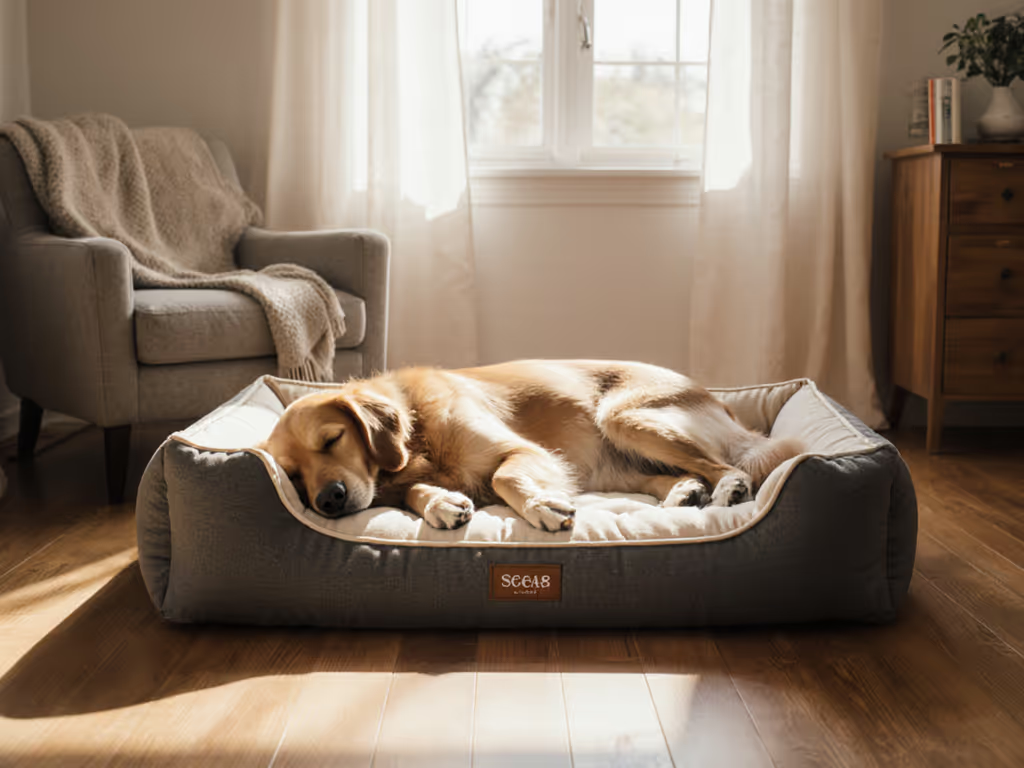
Canine Sleep Architecture: Why Dogs Need Better Beds
By Luca Cheng • 7th Mar
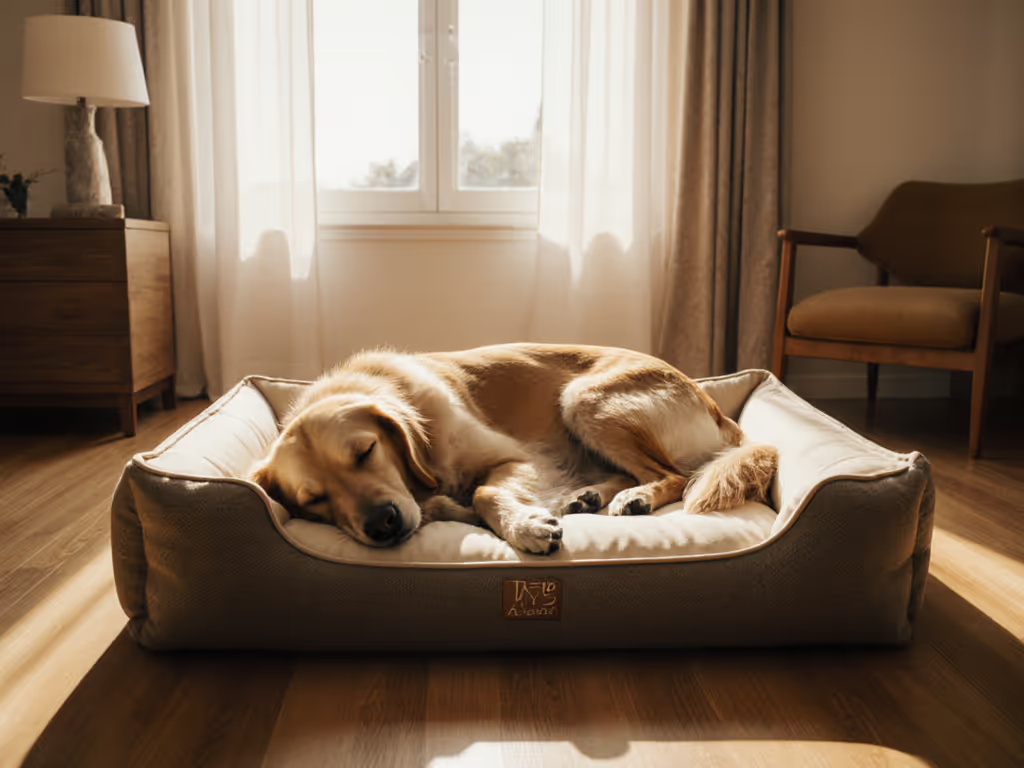
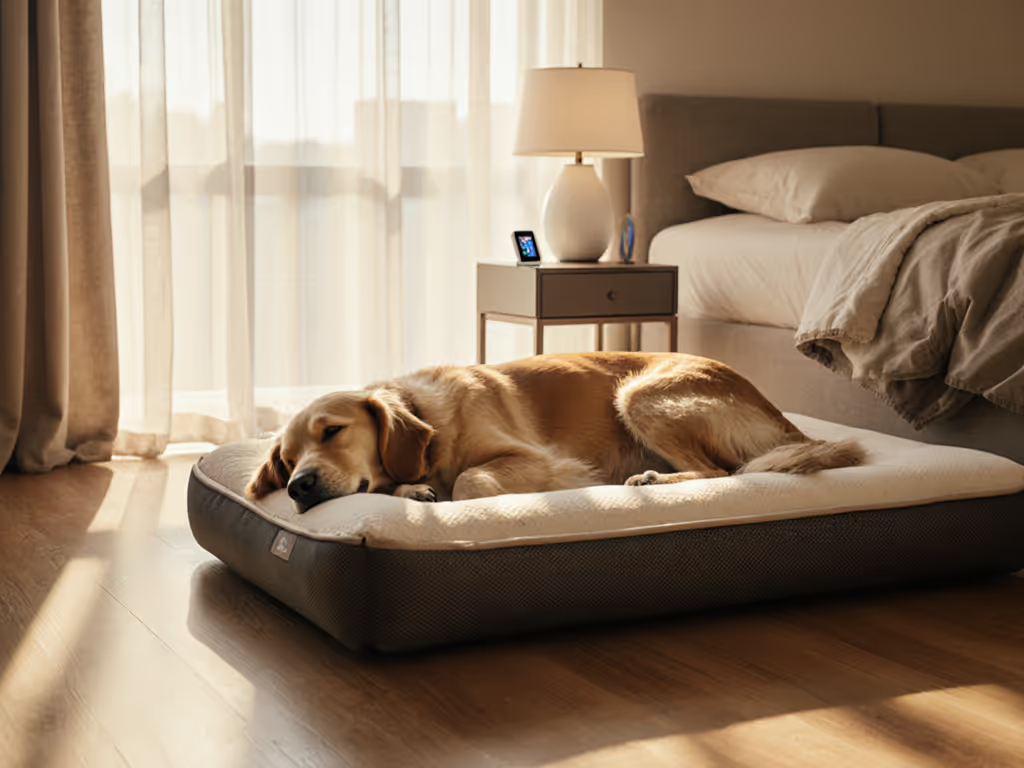
Canine sleep architecture (the structure and phases of a dog's sleep cycle) determines not just how rested your dog feels, but also how willing they are to actually use their bed. Most dogs ignore a bed not because they don't want to sleep, but because the bed doesn't support how they're designed to sleep, where they need to sleep, or what their body requires from that sleep. Understanding dog sleep science reveals why frame height, fabric choice, edge support, and placement matter as much as cushion firmness.
The gap between a dog that loves their bed and one that walks past it starts with matching the bed's architecture to both the dog's sleep style and the room's spatial flow. A bed that fits your space and habits gets used, and loved, daily, and the research on canine sleep patterns shows exactly why. For a deeper dive into REM and stage timing, see our dog sleep cycles guide.
Understanding Canine Sleep Patterns
Dogs are classified as polyphasic sleepers, meaning they sleep in multiple bouts spread across a 24-hour cycle rather than one long consolidated sleep like humans[2]. Most dogs spend between 43-60% of their day sleeping, with REM sleep (rapid-eye-movement sleep, the restorative and mentally active phase) typically accounting for 20-36% of their total sleep time[2].
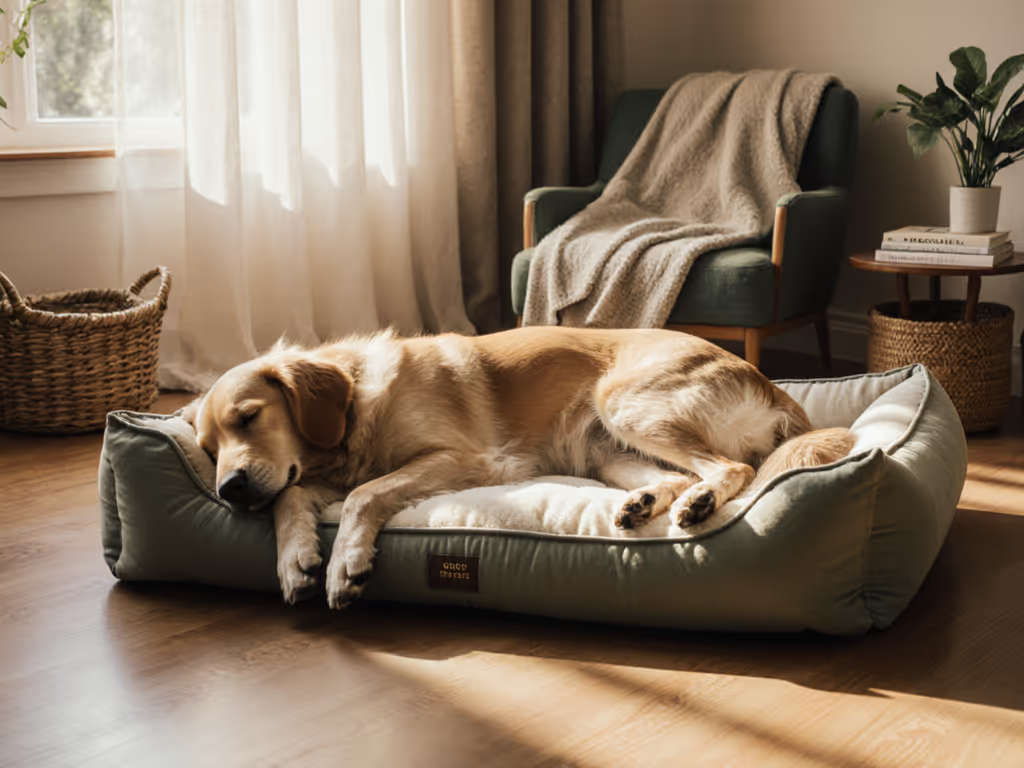
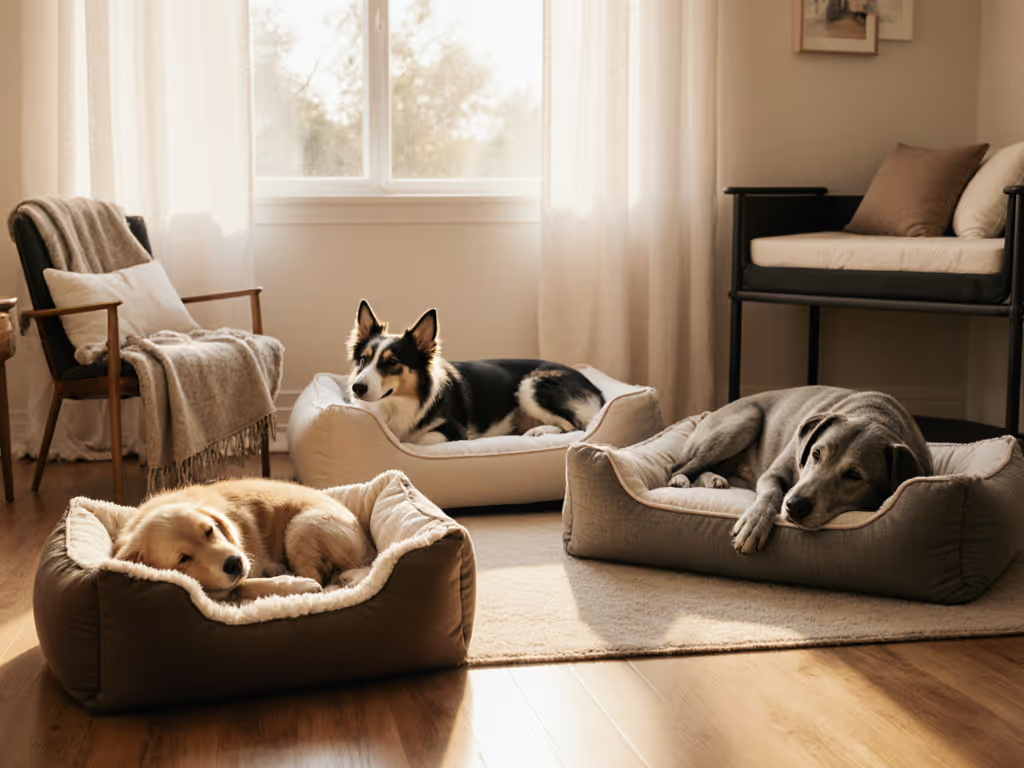
This polyphasic pattern creates a specific architectural need: dogs require beds that support frequent repositioning and varied postures throughout the day and night. A bed designed only for one position or deep compression is mismatched to how dogs actually rest. The dog curler needs bolster height; the sprawler needs length and perimeter edge support; the burrower needs textured, defined space; the leaner needs stable sidewalls that won't compress under weight shifts. For matching shapes to behavior, explore our donut vs flat beds comparison to decode curlers vs sprawlers.
What complicates this further is that sleep isn't uniform. NREM sleep in dogs (non-rapid-eye-movement sleep, the light resting phase) dominates their shorter bouts, especially during daytime rest. REM sleep in dogs is concentrated in longer sessions, typically at night, and becomes more fragmented when the dog's environment (including their bed) creates disturbance or discomfort[1].
The Hidden Cost of Sleep Fragmentation
When sleep architecture is compromised, the consequences cascade into waking hours. Research on canine sleep disruption reveals a striking cycle: fragmented sleep during the night correlates with reduced daytime activity, increased eating behavior, and diminished alertness[2]. Dogs that don't sleep well don't move well the next day, they're tired, reactive, and less responsive to training or play.
A poor bed contributes directly to this fragmentation. Foam that flattens within weeks removes edge support, forcing the dog to adjust position frequently. A slippery surface causes micro-awakenings as the dog shifts to maintain grip. Inadequate deep sleep dog bed requirements (proper density, height, and thermal regulation) extend the time a dog spends in light sleep stages, never reaching the restorative phases their body needs[1]. If you're unsure about firmness levels that support slow-wave sleep, our dog bed firmness science breaks it down.
This is why generic, one-size beds fail. They prioritize cost over the specific biomechanics of sleep itself.
The Architecture of Sleep Recovery
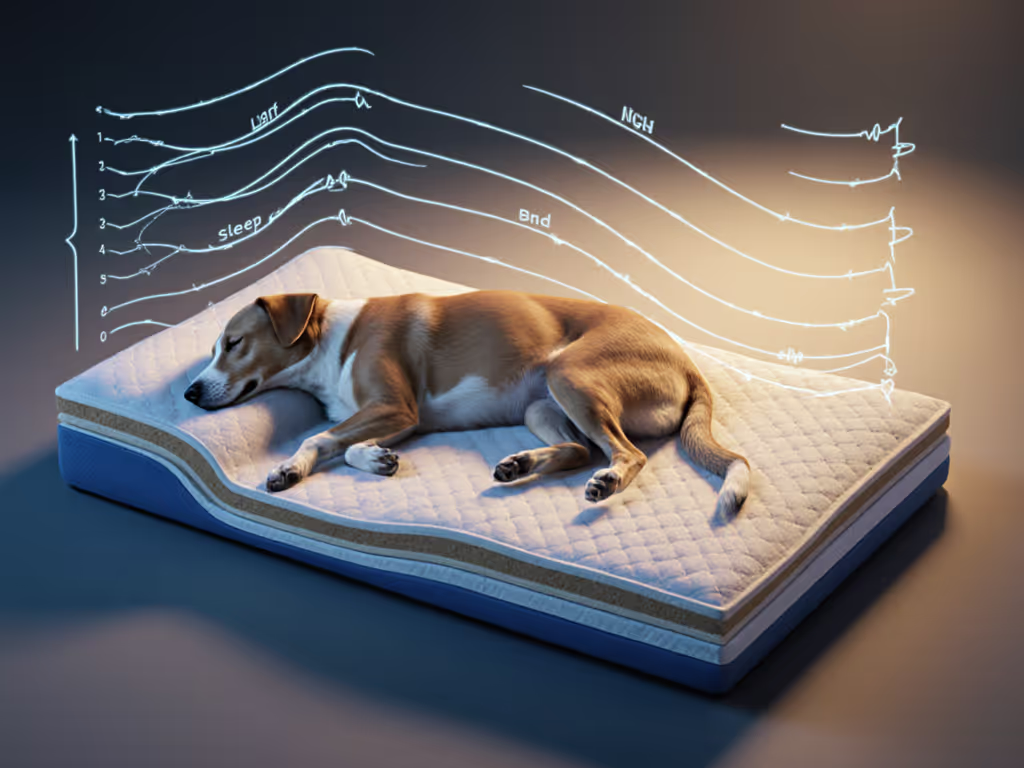
Research into canine sleep recovery after disruption illuminates what an effective bed must do. When sleep is fragmented or disrupted (whether by environmental stress or physical discomfort) dogs don't simply "make up" the lost REM sleep uniformly. Instead, they show a targeted rebound in REM sleep during recovery periods[1]. This suggests that the brain prioritizes restorative sleep once the disruption stops.
Translating this to bed design: a well-engineered bed removes friction from sleep onset and maintenance. Consistent support, anti-slip bases, temperature stability, and the right proportions for your dog's body enable faster sleep cycles and fewer position shifts. The bed becomes an enabler of the brain's natural recovery mechanism rather than an impediment to it.
In a 500-square-foot studio, a walnut-framed bed with a low profile was positioned next to a bookshelf, echoing the room's rug color. The visual continuity mattered, and the dog stopped pacing between the bed and other spots. But the real shift happened at night: the frame's stability, the rug's texture beneath it (reducing slide), and the proportions that fit the corner without dominating sightlines all conspired to make the bed feel anchored and safe. That's when daily use became consistent. The bed finally looked intentional because it performed intentionally.
Comparative Sleep Outcomes: Fragmented vs. Supported Sleep
The difference between a bed chosen for function and one chosen for price reveals itself in canine sleep cycle duration metrics and behavioral data:
Fragmented Sleep (Inadequate Bed)
- Frequent position shifts, averaging 10+ bouts per night with extended wake periods
- Reduced REM consolidation; more light sleep stages
- Elevated daytime inactivity and reduced responsiveness
- Increased anxiety behaviors (pacing, restlessness at night)
- Accelerated mattress degradation due to constant repositioning
Supported Sleep (Well-Designed Bed)
- Fewer, longer sleep bouts with stable postures; 6-8 consolidated hours at night
- Proper REM phases during recovery; deeper, restorative sleep
- Elevated daytime activity, alertness, and engagement
- Reduced nighttime anxiety and fewer transitions
- Mattress retains support and loft over years, not months
The mechanism is straightforward: when the bed's texture, height, density, and position in the room align with the dog's sleep style and the room's traffic flow, the dog sleeps more continuously. Fewer awakenings mean more time in deeper phases. More consolidated sleep means better daytime behavior and lower stress markers.
What Design-Forward Beds Deliver
A bed engineered for canine sleep architecture addresses the full system, not just the foam:
Fabric and Finish: Low-snag, washable textiles that resist pilling, reduce allergen traps, and support quick dry cycles. Textiles matter because they're the interface between the dog's coat and the support layers (poor choices create friction that interrupts sleep stability).
Frame and Edge Support: Reinforced perimeter structure maintains bolster height and prevents compression sag. Large-breed dogs and seniors depend on firm edge support to anchor their weight as they reposition during REM phases.
Thermal Properties: Breathable foams and covers prevent overheating during deep sleep. Temperature regulation isn't a luxury; it's a prerequisite for consolidated REM cycles, especially for double-coated or large breeds.
Placement Logic: A bed positioned to respect room traffic flow, sight lines, and the dog's preferred rest orientation transforms acceptance. Get room-by-room tips in our optimal dog bed placement guide. A bed that blocks walkways or sits in a high-traffic choke point guarantees avoidance, no matter its quality.
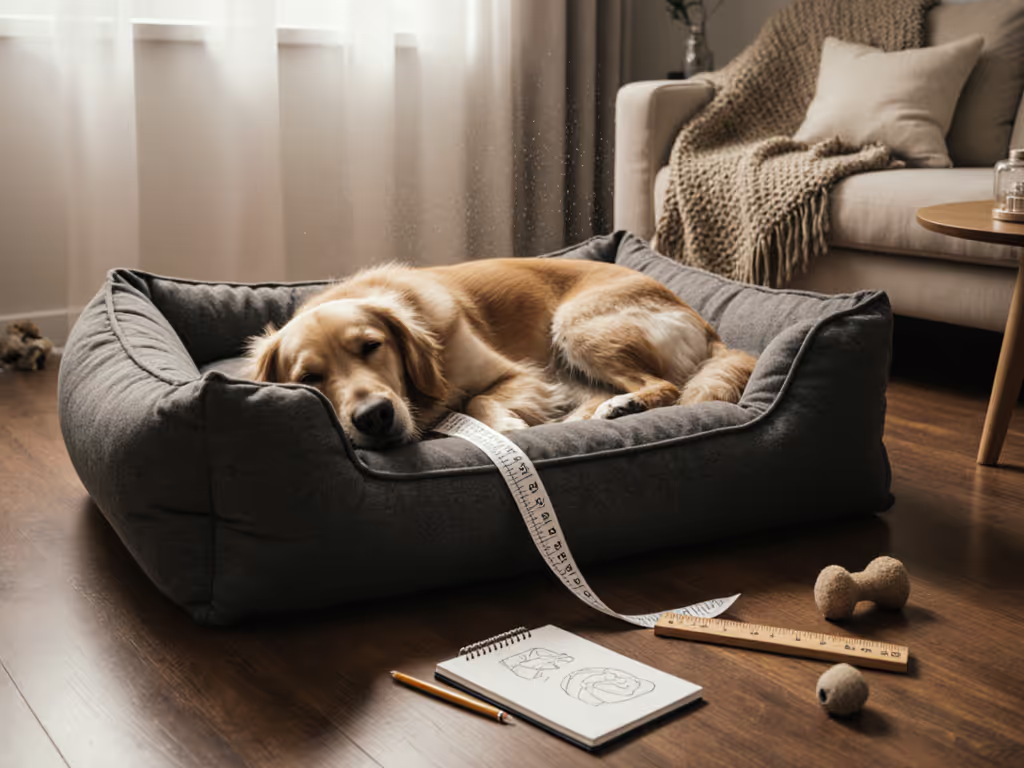
Dimension Callouts: Precise measurements (bed length relative to the dog's spine extension, width for sprawlers, height for senior joint relief) eliminate guesswork. A dog curler in a sprawler's bed, or a large-breed dog whose paws hang off the edge, never settles fully.
Building the Case for Investment
The total cost of ownership for a fragmented-sleep cycle is high: frequent bed replacements, behavioral management challenges, potential joint or digestive issues exacerbated by poor rest, and the emotional toll of a restless, unhappy dog.
A well-designed bed costs more upfront but delivers: 3-5+ years of consistent use, measurable improvements in sleep quality and daytime behavior, reduced anxiety-driven destruction, and a footprint that actually complements your home rather than clashing with it.
Design that earns a spot in your living room isn't contradictory, it is inevitable when the bed's form and function align with both the dog and the space.
Explore Further
If you're ready to assess your dog's current sleep setup, start by observing their actual sleep patterns over a week: How many times do they reposition at night? Do they return to the bed during the day, or avoid it? Does the bed slide, crinkle, or require repositioning in the room? These signals reveal whether your dog is experiencing fragmented sleep and which architectural elements (fabric, frame, height, placement) need recalibration.
Consult breed-specific sleep data and orthopedic guidelines for your dog's size and age. Measure your dog's spine length, chest width, and preferred curl or sprawl position. Use our dog bed size chart to get breed-by-breed measurements and avoid common sizing mistakes. Map your room's traffic patterns and identify placement options that honor both the dog's sleep needs and your home's layout.
The science is clear: canine sleep architecture isn't peripheral to wellness, it is foundational. When the bed matches the dog and the space, sleep deepens, behavior improves, and the investment pays dividends for years.
Related Articles