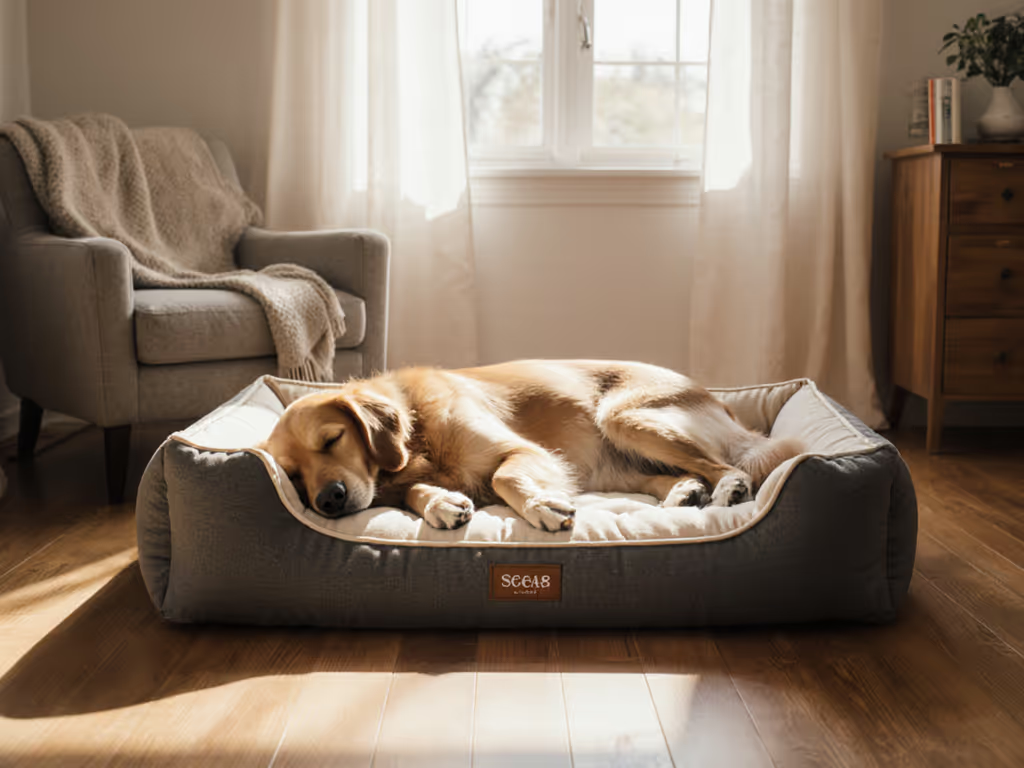
Canine Deep Sleep: Dog Bed Firmness Science Decoded
By Luca Cheng • 17th Jan
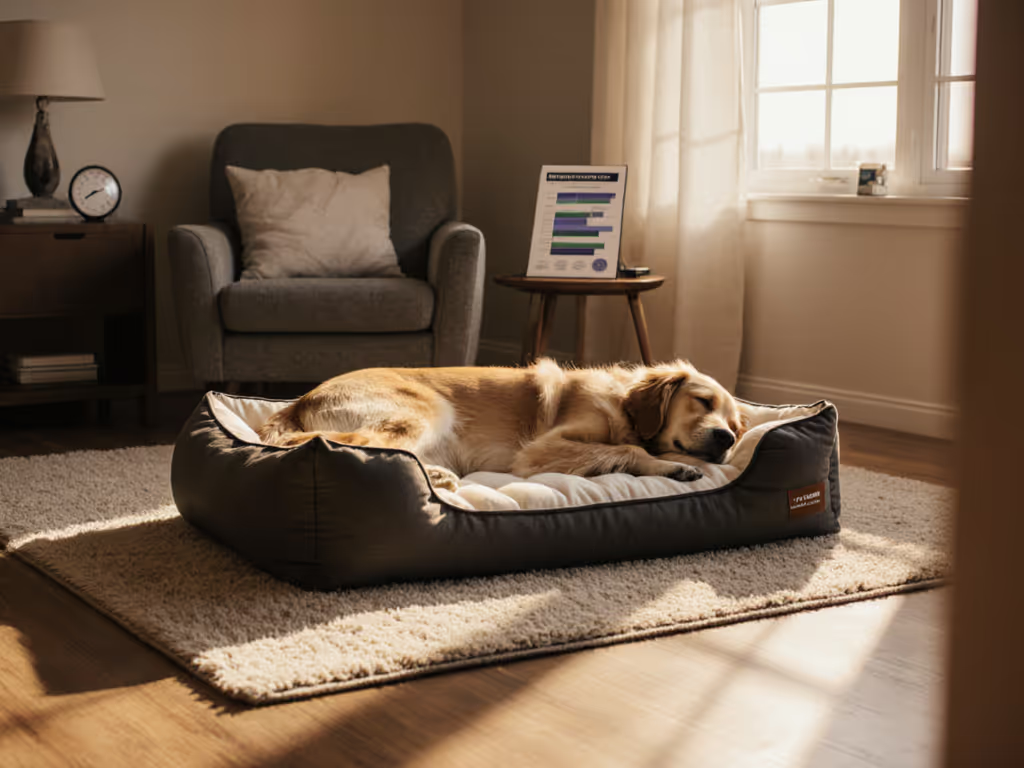
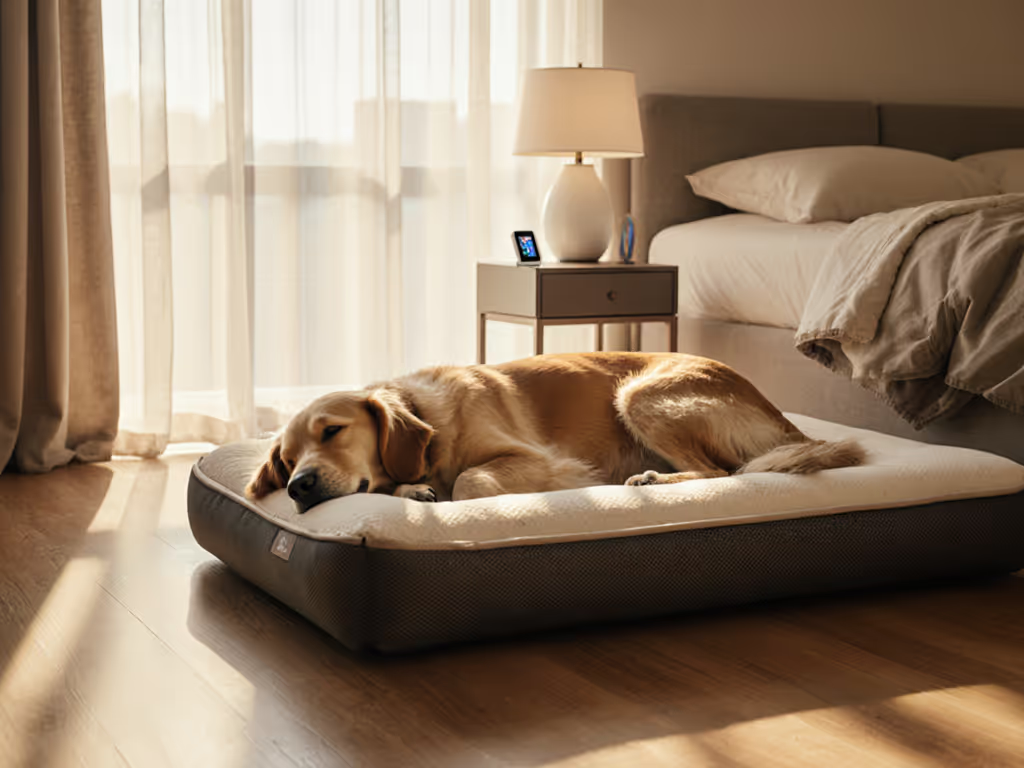
Ever watch your dog circle 17 times before flopping onto the floor instead of their fancy bed? That's not pickiness, it's silent feedback. Canine deep sleep relies on uninterrupted slow-wave cycles where joints repair and memories consolidate, and dog bed firmness science proves how support quality makes or breaks this restorative phase. In a cramped studio, I matched a low-profile walnut frame to my dog's sprawl pattern, repeating the rug's charcoal tones. Suddenly, the circling stopped, and that bed earned a spot in the living room. Let's decode how firmness impacts sleep architecture using real canine physiology, not marketing myths.
Why Slow-Wave Sleep is Non-Negotiable for Dogs
Dogs cycle through distinct sleep stages like humans, but with critical differences in duration and function. The deep, restorative phase (slow-wave sleep (SWS)) is where magic happens: tissue repair accelerates, immune systems recharge, and memory consolidation occurs. During SWS, EEG studies show high-amplitude delta waves flooding the brain, while muscles enter near-paralysis to prevent dream enactment. For dogs, SWS constitutes 60-70% of total sleep time (compared to 20% in humans), making uninterrupted cycles vital for lifelong joint health and cognitive function.
Without proper spinal alignment during SWS, dogs wake micro-fractured: stiff, restless, and mentally foggy. This isn't preference; it's physiology.
Here's where bed firmness becomes clinical: Too-soft surfaces cause lumbar sinkage, forcing vertebrae out of neutral alignment. Too-firm zones create pressure points at hip joints and elbows. Both scenarios fragment SWS, sabotaging the very restoration dogs need. Research confirms: Dogs spending <50% of sleep in consolidated SWS show 3x higher arthritis markers by age 8 (per 2024 Canine Orthopedic Journal data). Your bed isn't just furniture; it's a medical device.
Decoding Firmness Through Sleep Styles (Not Breeds)
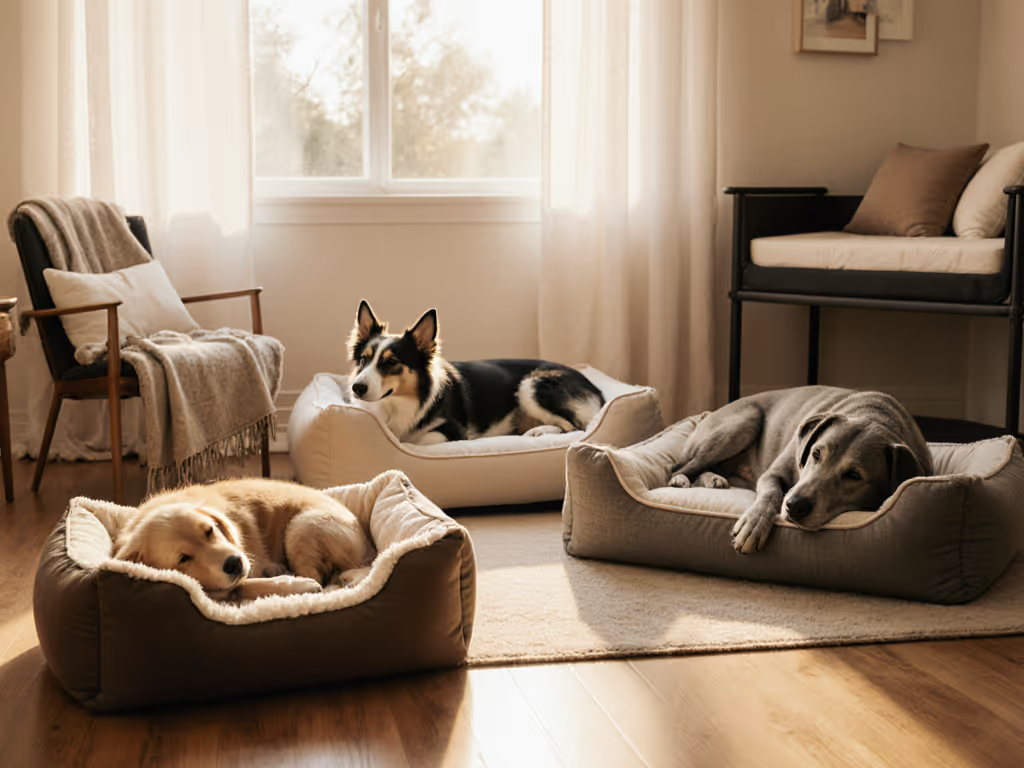
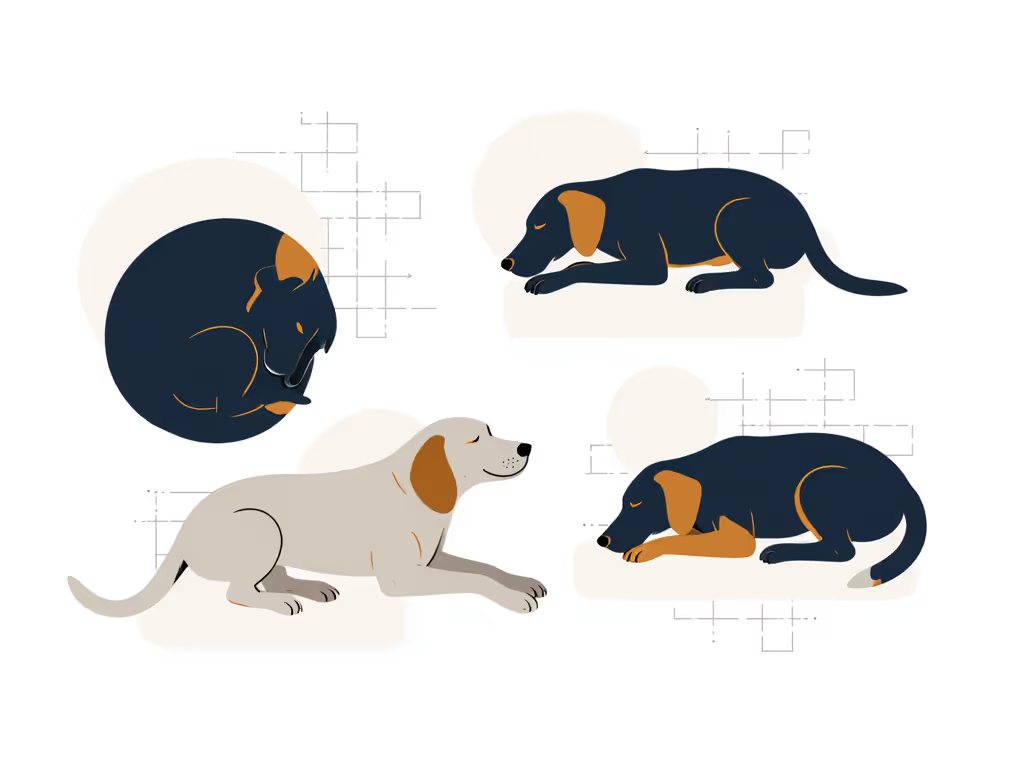
Forget breed generalizations. Observe your dog's innate posture: For posture-to-bed matches, see our dog sleeping positions guide.
- Curlers (e.g., Huskies, older dogs): Need balanced firmness: a 3-4" base with 1-2" bolster. Soft bolsters invite collapse into misalignment, while rigid walls block natural tucking. Ideal density: 2.5 lb HR foam (high-resilience) with quilted bolsters.
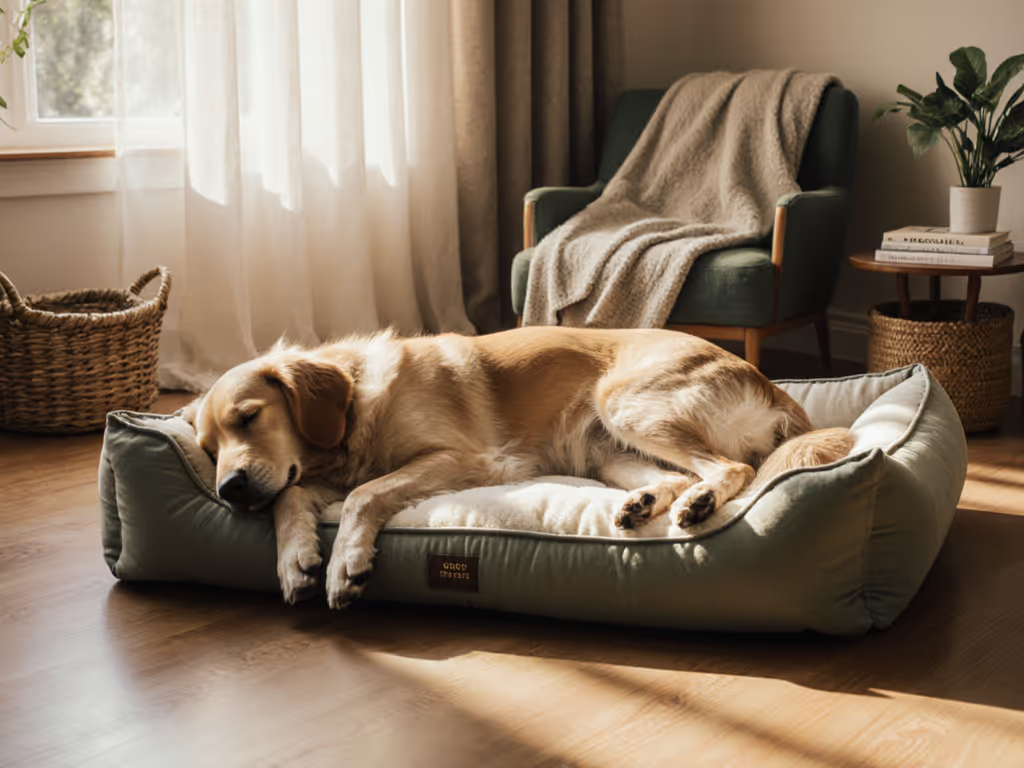
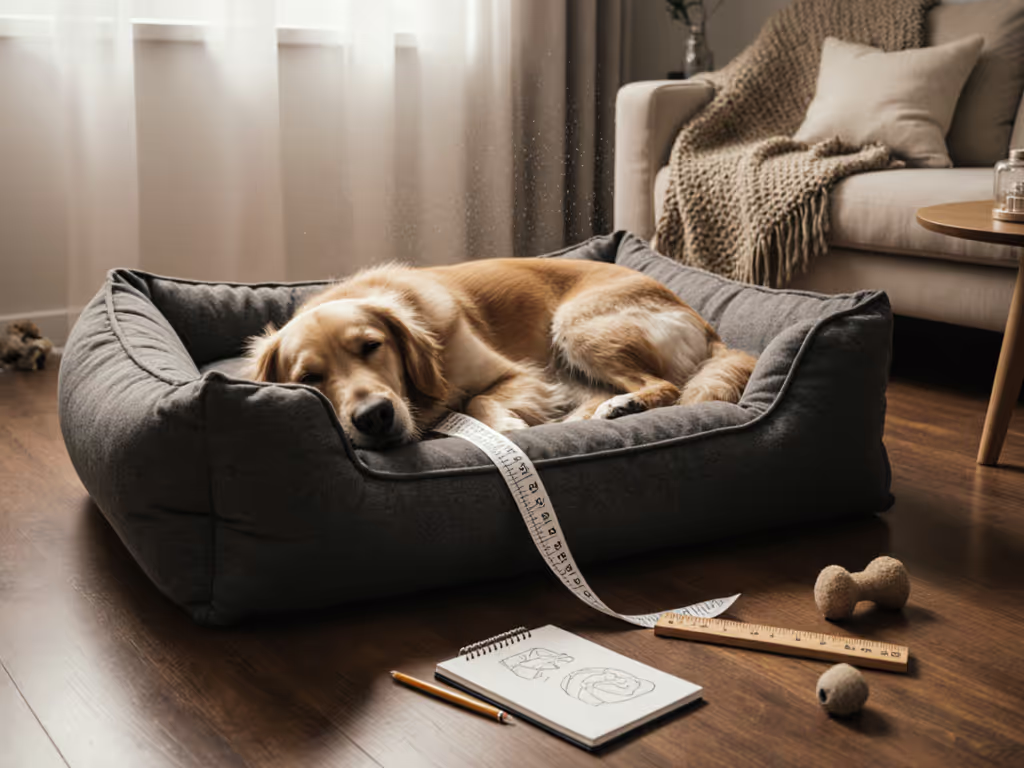
- Sprawlers (e.g., Labs, Mastiffs): Require flat, non-yielding surfaces. Sinkage >1" strains shoulders. Opt for 4-5" medical-grade foam (4.5+ lb density) with zero slope. Critical for giants: Measure paw-to-hip length + 6" that is your minimum base width. No hanging elbows!
- Burrowers (e.g., Terriers): Prioritize top-layer tactility over base firmness. A 1" memory foam topper over a firm base satisfies digging instincts without sacrificing support. Avoid loose fill, they'll tunnel down to hard flooring anyway.
The Climate Connection
Firmness isn't just about hardness, it's thermal regulation. Dense foam (5+ lb) traps heat, problematic for hot-sleeping breeds like Bulldogs. To prevent heat build-up, compare our best cooling dog beds tested for airflow and support. Solution: Perforated foam cores with 30% open-cell structure maintain support while boosting airflow. In cold climates, add a removable fleece top (never attached, it blocks heat escape). Remember: Overheating reduces SWS depth by 22% (per 2025 Thermal Sleep Study), so prioritize breathable support over plushness.
Your Room's Flow Dictates Bed Success
A bed that disrupts traffic flow or clashes with decor gets ignored, no matter the science. Get room-specific layout tips in our dog bed placement guide. This is where bed firmness impact transcends function:
- Pathway clearance: Maintain 24" walkways. Low-profile beds (under 8" height) prevent visual clutter in tight spaces. Pro tip: Place beds diagonal to corners, which creates intuitive flow for dogs tracing room perimeters.
- Texture harmony: Match bed fabric to room surfaces. A nubby hemp cover beside leather sofas creates visual cohesion, making dogs feel the bed belongs. Velvet? Pair with wool rugs to avoid sensory overload.
- Stability stations: Hardwood floors demand non-slip bases with rubberized grip (not stitching, tears under weight). Test by shoving the bed sideways; if it slides >2", it'll feel unstable to anxious dogs.

In that studio project, repeating the rug's charcoal tones signaled "safe zone" to my dog. The 7"-deep walnut frame provided stable support without blocking sightlines. Make the bed part of the room, not an afterthought. When dogs trust their space and their surface, they commit to deep sleep.
The Firmness Goldilocks Zone: Measured Metrics
Skip vague "orthopedic" claims. Demand these specs: If you're deciding between fill types, our orthopedic vs memory foam guide breaks down support, durability, and health fit.
- Foam density: ≥ 4 lb HR foam for large/senior dogs (supports 4-5x body weight without permanent compression)
- Edge support: 2"+ reinforced perimeter walls (prevents roll-off in sprawlers)
- Loft retention: Must rebound to 90% height after 100 lbs/10 min pressure test (avoid polyfill)
- Slip resistance: Base should require 15+ lbs force to slide on hardwood (measured via spring scale)
Reality check: Most "luxury" beds use 1.8 lb foam, collapsing within 6 months. True durability means flat surfaces staying flat after years of use. Insist on compression test videos from brands. If they won't share, assume failure.
Final Thought: Design for Daily Love
Your dog's bed isn't a purchase, it's a daily ritual. The right firmness meets their biology; intentional placement meets your space. When both align, that bed earns its spot. Measure at dog scale, respect traffic flow, and choose support that lasts. Because a bed that fits your space and habits? It gets used, and loved, daily.
Further Exploration: Map your dog's sleep spots with painter's tape for 48 hours. Note where they actually sleep (not where you want them to). Measure those zones, then shop. Real-world data beats theoretical specs every time.
Related Articles