
Canine Ergonomics: Fix Bed Alignment for Joint Relief
By Mina Okoro • 2nd Jan
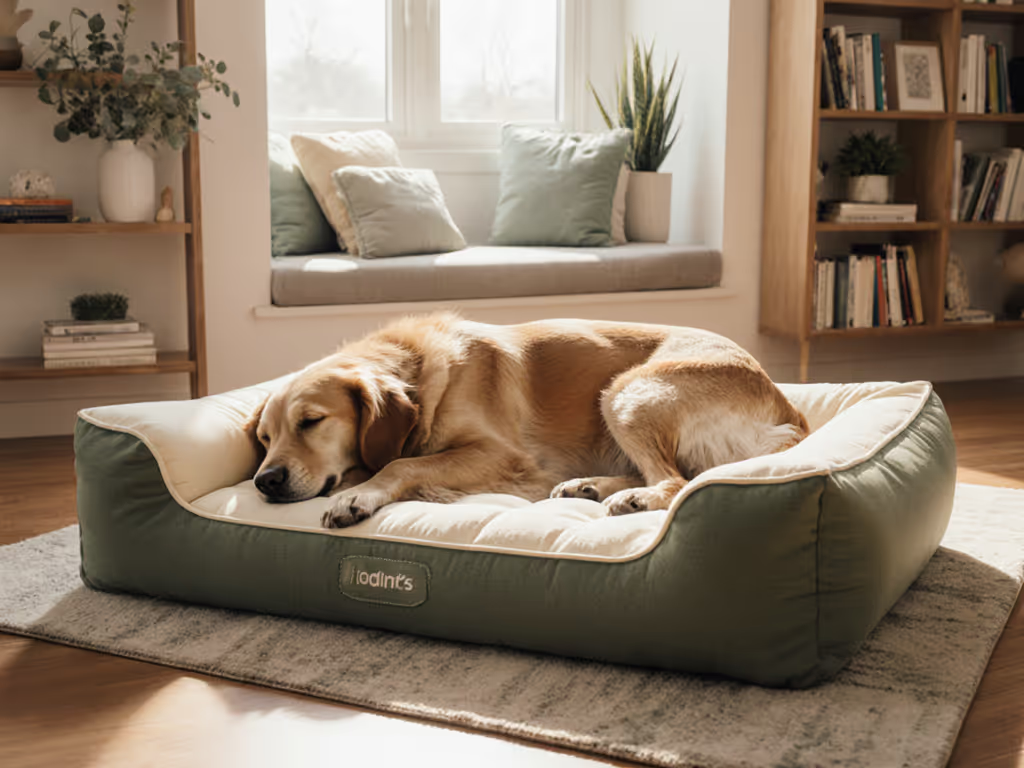
When your dog struggles to find comfort at night (repositioning constantly, hesitating before lying down, or seeming stiff in the morning), the problem might not be their joints alone. Canine ergonomics and dog bed biomechanics help explain why many dogs remain uncomfortable despite plush-looking beds. True comfort starts with alignment and temperature balance, not just plushness. By examining how dogs naturally position their bodies during rest, we can create environments that alleviate discomfort without promising medical benefits. As I've learned through years of fostering sensitive dogs, real comfort starts with alignment, then temperature and texture. Watch the sleep, not the label.
Understanding the Science Behind Canine Rest
What Canine Ergonomics Really Means
Canine ergonomics isn't just a fancy term. It is the study of how dogs interact with their resting environments and how those spaces affect their musculoskeletal system. When we discuss dog bed biomechanics, we're looking at how weight distributes across different surfaces and how that impacts pressure points throughout the body. Veterinary researchers using pressure mapping technology have found that improper support creates uneven pressure zones, particularly under heavier breeds where the sheer weight multiplies pressure on elbows, hocks, and shoulders.
Unlike humans who typically sleep in one position, dogs cycle through multiple postures (stretching, curling, and side-sleeping), all within a single night. For posture-specific recommendations, read our guide to matching beds to your dog's sleep style. The pressure distribution science behind quality canine rest surfaces shows that high-density foam layered with strategic firmness gradients (soft-medium-firm) best cushions joints while preventing excessive sinking that strains muscles upon rising.
Reading Your Dog's Natural Alignment Cues
Years ago, I fostered a sensitive shepherd who would wake stiff each morning despite a plush bed. He'd curl tightly as he slept, but the bed lacked proper bolstering to support his natural position. Once I matched his side-sleeper curl to a medium-firm foam with appropriately placed support, his hesitation disappeared. That experience cemented my approach: study how your dog sleeps before selecting materials.
Notice these subtle alignment indicators:
- Head position: Is their neck straight or awkwardly bent?
- Spine curvature: Does their back follow a natural curve or create sharp angles?
- Leg placement: Are limbs resting comfortably or hanging off edges?
- Shoulder pressure: Can you see red marks or flattened fur after resting?
These observations reveal whether your dog's bed provides proper dog bed alignment or creates unnecessary strain on vulnerable areas.
Identifying Critical Joint Pressure Points
Mapping Vulnerability Zones
Certain areas bear disproportionate weight during rest, creating what specialists call joint pressure points. For large breeds in particular, the shoulders, elbows, and hips experience significant compression when lying down. When a bed lacks proper support, these pressure points become "hot spots" that disrupt rest and potentially contribute to long-term discomfort.
Recent studies confirm what many rehabilitation professionals observe daily: dogs sleeping on properly supportive surfaces showed measurable improvements in mobility metrics. While no bed can cure existing conditions, appropriate support can help maintain joint health by allowing cartilage to hydrate properly during rest, a crucial factor often overlooked.
Observe Before You Upgrade
Many well-meaning pet parents rush to purchase an orthopedic dog bed without first assessing their dog's natural sleep patterns. Different sleep styles require different support:
- Curlers need wrap-around bolstering that matches their natural curve
- Sprawlers require generous surface area with consistent support across the entire body
- Leaners benefit from strategic bolster placement at head and shoulder points
- Burrowers need soft yet supportive surfaces that accommodate digging behavior
Before investing in a new bed, spend three nights observing your dog's preferred position. Note where they seek extra cushioning or avoid contact with the bed surface. This simple practice provides invaluable data about their specific support needs.
Correcting Bed Alignment for Optimal Support
Size, Support, and Temperature Working Together
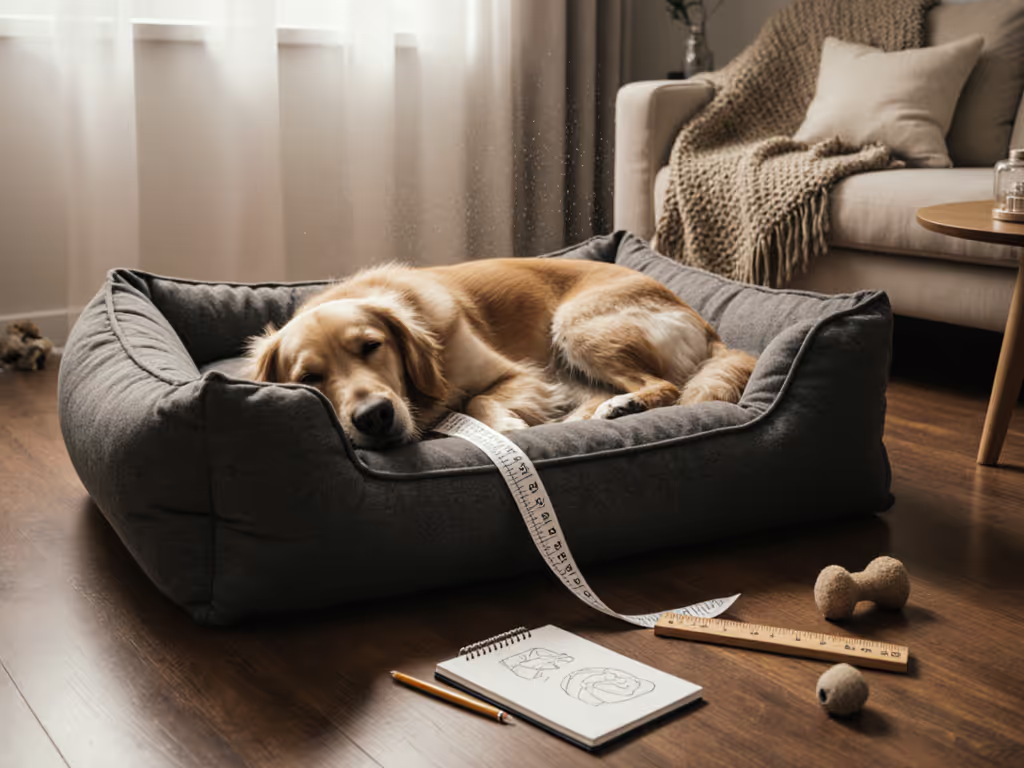
Sizing confusion is one of the most common pitfalls pet owners face. A bed that's technically "large" may still be inadequate if bolsters shrink the usable space or if your dog prefers stretching diagonally. Measure your dog from nose to tail while they're sleeping in their natural position, then add 6-12 inches for comfortable movement. Use our step-by-step sizing guide to get it right the first time. This ensures they can stretch fully without limbs hanging off edges (a frequent cause of morning stiffness).
Real comfort requires three elements working in harmony: proper alignment of the spine and joints, temperature regulation that prevents overheating, and texture that supports natural behaviors without trapping allergens.
Creating a Truly Supportive Environment
When selecting an orthopedic dog bed, focus on these evidence-backed features:
- Foam density: At least 3-4 pounds per cubic foot for large breeds to maintain support over time
- Thickness: Minimum 3-4 inches to prevent bottoming out, especially for dogs over 50 pounds
- Edge support: Raised borders should maintain consistent firmness to the edge
- Temperature regulation: Breathable covers and open-cell foam structures prevent overheating
- Washability: Removable covers that withstand regular cleaning without losing shape
Don't be swayed by marketing claims about "medical-grade" support. For an evidence-based comparison, see orthopedic vs memory foam dog beds. Instead, look for transparent information about foam density, thickness measurements, and independent testing regarding durability and pressure distribution. The right details matter.
Taking Action Today
Start with simple observation: Watch your dog settle for rest tonight. Note their natural posture, how they move on and off the bed, and any signs of hesitation. Tomorrow, measure them in that position (this is your true sizing reference).
Then evaluate your current bed:
- Does it support their entire body evenly?
- Does the material stay cool or does your dog seek cooler spots?
- Does the bolster placement match their natural curl or stretch?
Small adjustments can make immediate differences. Try placing a folded towel under areas where your dog seems to seek extra support, or reposition the bed away from drafts that might cause chilling. For room-by-room placement strategies that improve usage, see our guide to optimal dog bed placement. These temporary tweaks provide valuable insights before committing to a new purchase.
Remember: Watch the sleep, not the label. Your dog's comfort tells the most accurate story about whether their resting environment truly supports their biomechanical needs.
Related Articles