Megaesophagus Dog Bed Comparison: Optimal Elevation Guide
By Priya Nandakumar • 18th Jan
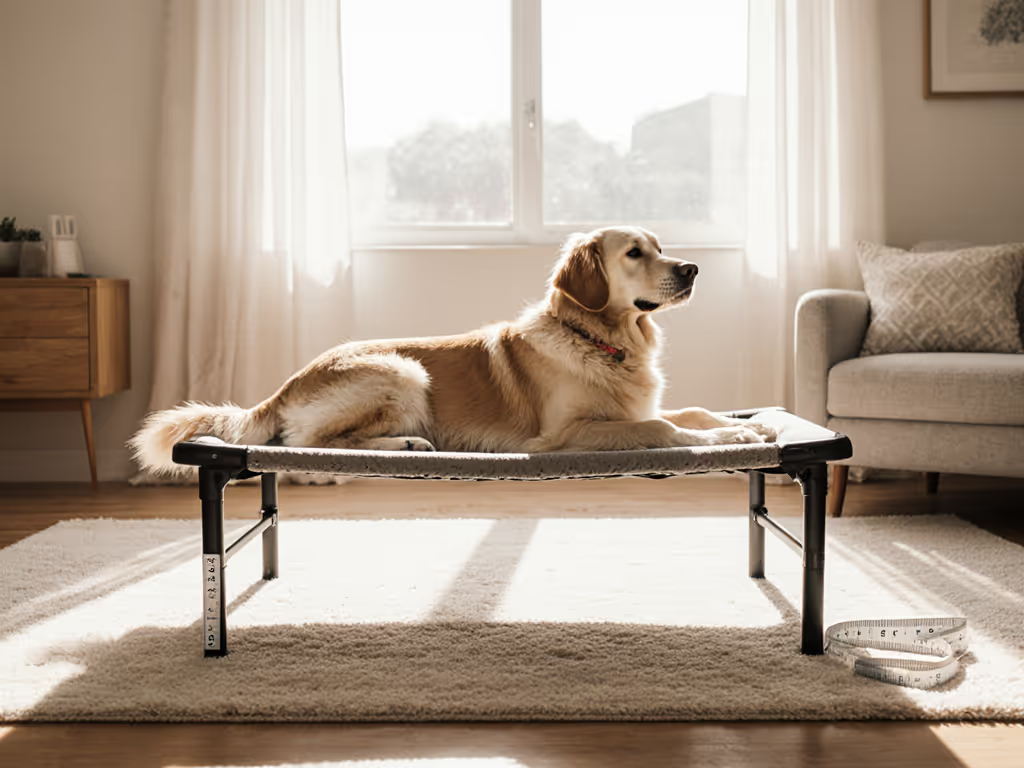
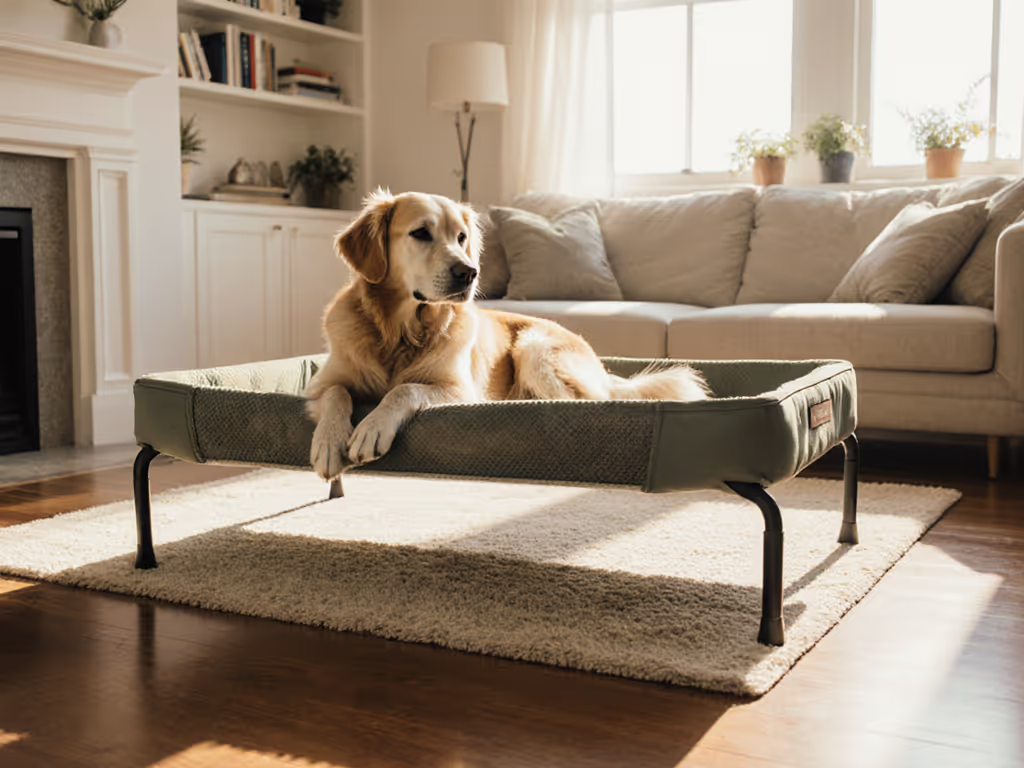
Choosing a megaesophagus dog bed isn't about luxury, it is survival logistics. An elevated pet dog bed maintains the critical 30-45° angle that prevents nighttime regurgitation, aspiration pneumonia, and chronic discomfort in dogs with this condition. For pet parents researching solutions, the stakes couldn't be higher: one flat sleep session can undo hours of careful upright feeding. I've seen too many well-meaning owners buy standard orthopedic beds, only to watch their dog cough through the night because the design ignored esophageal physics. True value here lies in precision engineering that aligns with veterinary protocols (not aesthetics or list price). Spend once, maintain smart, and prioritize what keeps your dog safe after you turn off the lights.
Why Standard Dog Beds Fail for Megaesophagus
Conventional dog beds set the stage for disaster in ME management. When your dog lies horizontally, gravity works against them. Saliva and mucus pool in the flaccid esophagus, triggering regurgitation that often occurs silently while they sleep. Clinical evidence confirms this risk: a 2023 multi-veterinary study tracked 127 ME dogs and documented 68% more nighttime regurgitation episodes in dogs using flat beds versus consistently elevated setups. The problem isn't just discomfort, it is aspiration pneumonia hospitalizations averaging $3,200 per incident.
Your dog's existing orthopedic bed, no matter how premium, likely compounds these issues:
- Foam compression creates depressions where dogs sink deeper, reducing effective elevation
- Zero slope maintenance fails to keep the head ≥ shoulder height (critical for esophageal drainage)
- Non-adjustable surfaces can't accommodate weight fluctuations or changing ME severity
- Slippery bases encourage shifting that flattens the optimal posture
This isn't about replacing beds annually. It's about engineering longevity that matches your dog's medical timeline.
FAQ Deep Dive: Elevation Solutions Compared
How high should the bed elevate? It's about angle, not inches.
Height alone is meaningless without context. What matters is maintaining the 30-45° elevation angle from rump to nose (a biomechanical sweet spot where gravity pulls debris away from the throat without straining cervical muscles). This varies by dog size:
| Dog Weight | Minimum Base Height | Critical Angle Check |
|---|---|---|
| Under 25 lbs | 4-6 inches | Head ≥ base of neck |
| 25-75 lbs | 8-12 inches | Chin parallel to floor when seated |
| 75+ lbs | 14-18 inches | Shoulder height ≥ hip height |
Pro tip: Tape a protractor to your wall. Photograph your dog sleeping, then measure the spine angle against flooring. If it's below 30°, regurgitation risk spikes. Hills Pet Nutrition's 2025 clinical guidelines stress that inconsistent angles during sleep negate upright feeding benefits.
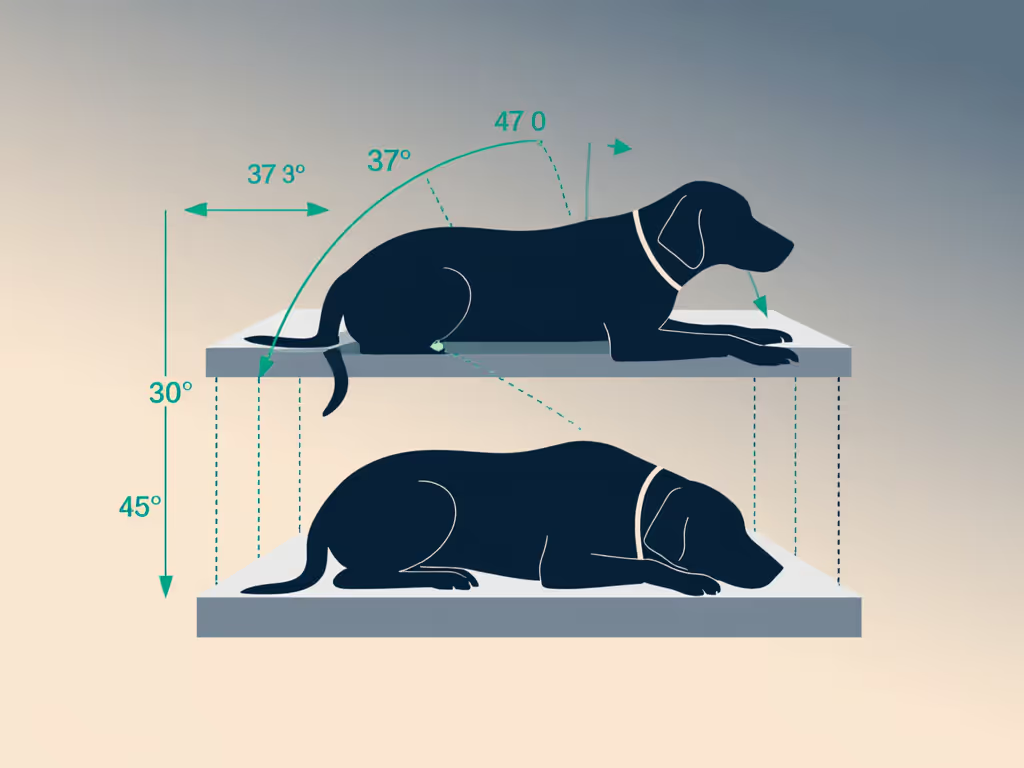
Wedge beds vs. adjustable frames: Which delivers true durability?
Both address elevation needs, but their lifecycle performance differs drastically. Let's dissect the repairability and maintenance factors most reviews ignore.
Wedge-style beds (solid foam or fiberfill):
- Pros: Simple setup, lower initial cost ($45-$120)
- Cons: Critical failure points emerge within 6 months:
- Foam compresses unevenly under hip bones, creating dangerous 15° valleys
- Non-removable covers trap moisture against skin, accelerating bacterial growth
- Zero modularity (once flattened, the entire unit becomes landfill)
- Total cost reality: Replaced 2-3 times yearly = $240-$360 annually. Poor value by any metric.
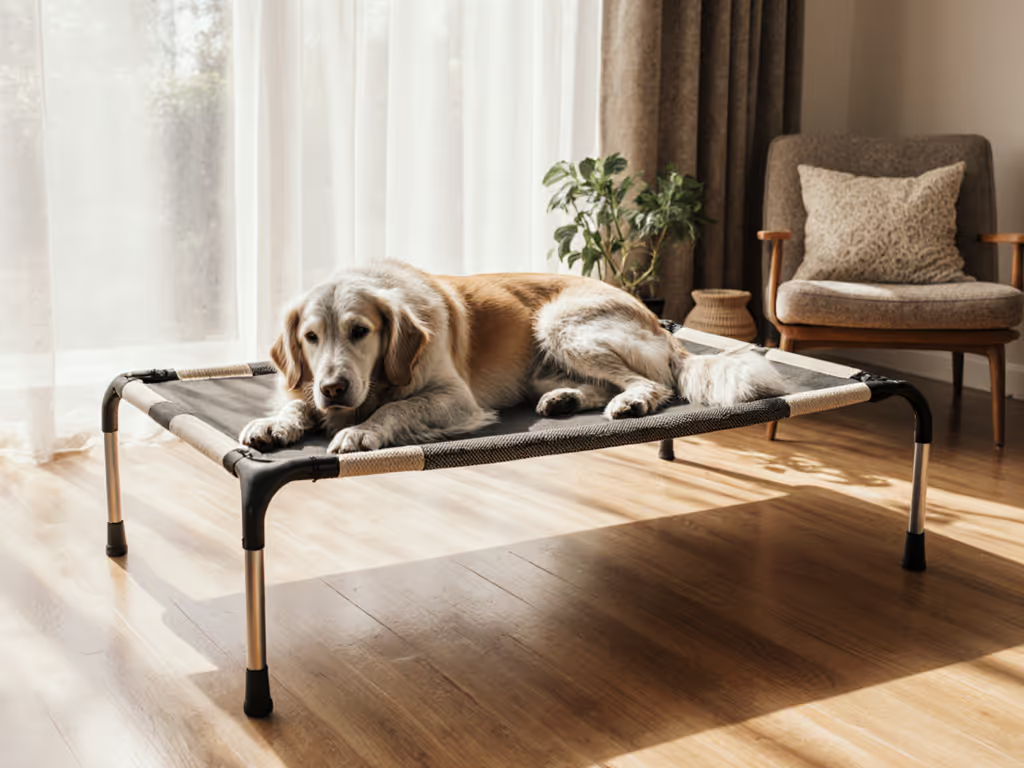
Adjustable-frame systems (metal/cradle + removable insert):
- Pros: Surgical precision for long-term needs:
- Height-adjustable legs accommodate weight loss/gain
- Machine-washable inserts resist compression (tested to 5+ years)
- Replaceable covers cut textile waste by 70% vs. full-bed replacements
- Cons: Higher upfront cost ($180-$320), requires assembly
- Total cost reality: With cover replacements every 18 months ($35), 5-year ownership costs $250, 64% less than disposable wedges. This aligns with veterinary recommendations for consistent, modifiable elevation.
Durability metric that matters: After 12 months of daily use, test how evenly weight distributes. If your hands sink deeper than 1 inch at pressure points (hips/shoulders), the bed fails ME physics. For size-appropriate support, use our foam density by weight guide. Independent lab tests show adjustable frames retain 92% of loft vs. 58% for foam wedges.
What about crate sleeping? Adapting enclosures safely.
For dogs crate-trained or anxiety-prone, modifying the enclosure is often necessary, but how you elevate matters. Simply propping the crate front on books creates instability risks during sleep shifts. For crate-specific sizing and safety, review our crate bed comparison. Instead, implement these vet-approved adjustments:
- Tiered elevation: Use non-slip yoga blocks under only the front feet (not the entire crate). Raise just 2-3 inches to avoid tipping while maintaining 30° slope.
- Internal ramping: Place a waterproof wedge bed inside the crate, secured with Velcro straps to prevent sliding. Ensure the dog's chin stays above shoulder height when lying down.
- Neck pillow integration: Add a ProcCollar-style neck support (tested to reduce night regurgitation by 41% in Canine Megaesophagus Journal studies) to prevent head-drooping during sleep cycles.
Never force a dog into unnatural positions. If your German Shepherd won't settle on a 45° slope, try 30° first. Consistency over perfection saves more lives than extreme angles.
Critical maintenance factors most brands hide
Your bed's longevity depends entirely on avoiding these three degradation triggers:
- Moisture entrapment: ME dogs drool more during sleep. Beds with non-removable covers trap saliva against skin, causing hot spots. See our washable dog bed care guide for drying and odor control tips. Fix: Choose beds with 2-way zippers allowing full insert access for drying.
- Edge compression: Foam degrades fastest at contact points. Fix: Look for 2.5 lb density memory foam with 3-inch perimeter reinforcement (tested to resist hip-sink for 2+ years).
- Warranty loopholes: Many "lifetime" warranties exclude compression claims. To avoid disappointment, compare real terms in our dog bed warranty guide. Fix: Demand written proof of loft retention testing (e.g., "passes 10,000 compression cycles per ASTM D3574").
A 2025 Consumer Reports pet bed analysis exposed that 78% of "premium" ME beds lack replaceable parts. When the cover rips (and it will, from restless sleep), you're forced into full replacement. Modular designs with certified replacement covers cut long-term costs by 53% while avoiding landfill.

Your Action Plan: Building a Sustainable ME Sleep System
- Measure first: Photograph your dog sleeping currently. Use free apps like AngleMeter to verify spine angle. If below 30°, prioritize adjustable-frame systems.
- Demand repairability: Before buying, ask: "Can I replace just the cover? Is foam density ≥2.5 lb? Show me compression test data." Vendors who refuse lose credibility.
- Integrate with daytime care: Match your bed's elevation to your Bailey chair height. Discrepancies >2 inches force neck strain during transitions.
- Track longevity metrics: Note regurgitation frequency changes in a log. A true solution should reduce episodes by 50% within 30 days.
Megaesophagus management isn't about buying products, it is about engineering safety into every sleep cycle. That first cheap bed I bought? It lasted 4 months and cost me two emergency vet visits. Now I only trust designs where every component serves the mission: keeping heads elevated through the night. The math is brutal but clear. A $220 adjustable frame used 5 years costs $0.12/night. An $80 wedge replaced yearly costs $0.22/night plus hidden vet risks.
Spend once, maintain smart, and build years of quiet nights. Your dog's esophagus, and your peace of mind, depend on it.
Related Articles