Dog Bed Odor Control That Lasts: Science-Backed Review
By Mateo Álvarez • 11th Feb
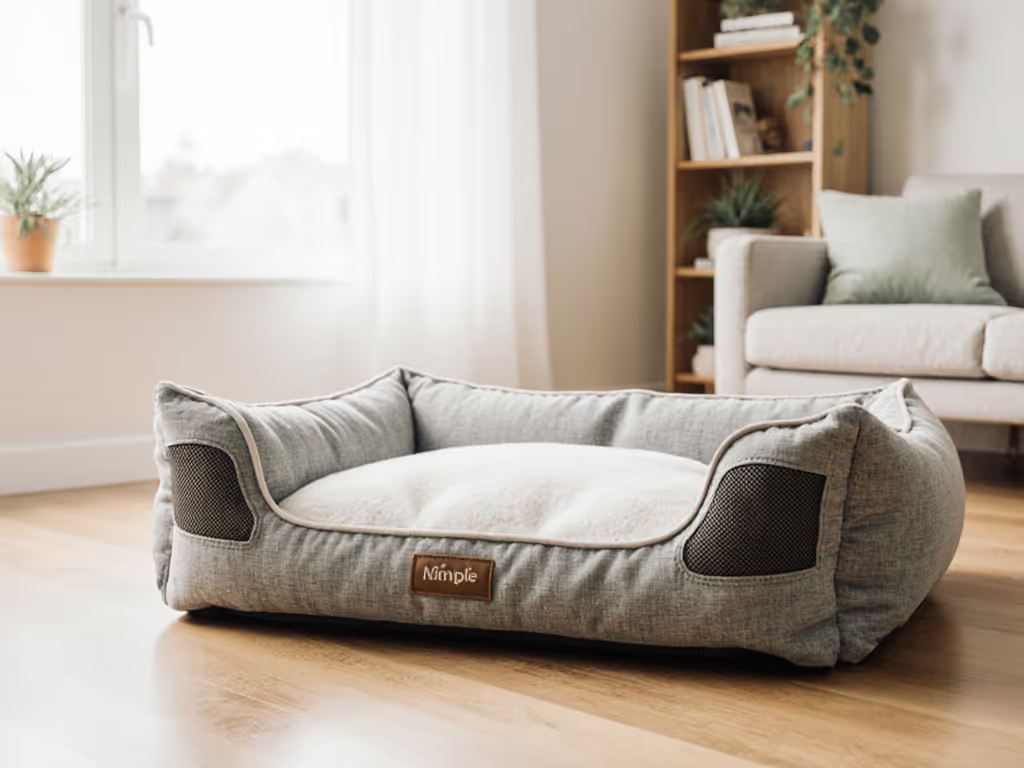
If your dog's bed has taken on that unmistakable "wet dog" smell that won't wash out, you're not alone. Effective dog bed odor control begins with understanding what's really causing the problem (and what actually works). Forget temporary masking agents; we're focusing on anti-microbial dog bed solutions backed by science that deliver lasting freshness. In this FAQ deep dive, I'll share what lab testing and real-world use reveal about truly odor-resistant bedding, plus simple steps you can implement today for a fresher home and happier dog.
Why Does My Dog's Bed Smell So Bad (Even After Washing)?
You've washed the cover. You've sprinkled baking soda. You've used enzymatic sprays. Yet that stubborn odor returns within days. What gives?
Dogs lose about 12,000 skin cells daily, plus they shed hair, dander, and oils (all of which become fuel for odor-causing bacteria). According to the National Center for Biotechnology Information, unwashed bedding can harbor parasites like dust mites for up to 12 months. These microorganisms thrive in warm, moist environments against your dog's skin, multiplying rapidly and producing volatile organic compounds that create that distinctive "dog smell."
The Hidden Culprit: Microbial Growth
Most pet owners focus on surface cleaning, but the real issue happens beneath the cover. Traditional foam inserts and dense fills trap moisture against your dog's body, creating a perfect breeding ground for bacteria and fungi. What starts as a mild odor can quickly become a persistent problem as these microbes establish colonies in the bed's core.
Start simple, fit the climate, reward the rest.
How Often Should I Clean for Real Dog Bed Odor Control?
The International Scientific Forum on Home Hygiene recommends washing dog beds weekly. For step-by-step techniques that actually remove embedded odors, see our washable dog bed care guide. But for most busy pet parents, that's unrealistic. The good news? With the right materials and maintenance, you can extend cleaning intervals while keeping odors at bay.
Practical Cleaning Schedule Based on Your Lifestyle
- Low-activity dogs (seniors, small breeds): Deep clean every 3-4 weeks
- Active dogs (outdoor time, shedding breeds): Deep clean every 2 weeks
- Dogs with skin issues or incontinence: Weekly cleaning essential
Here's my favorite maintenance checklist that keeps odors from taking hold:
- Daily: Vacuum the bed surface and spot-clean any visible stains
- Every 3-4 days: Sprinkle baking soda, let sit 15 minutes, then vacuum thoroughly
- Weekly: Air out the bed in direct sunlight (UV light kills odor-causing bacteria)
- Monthly: Run a deep cleaning cycle with 1 cup white vinegar and ½ cup baking soda
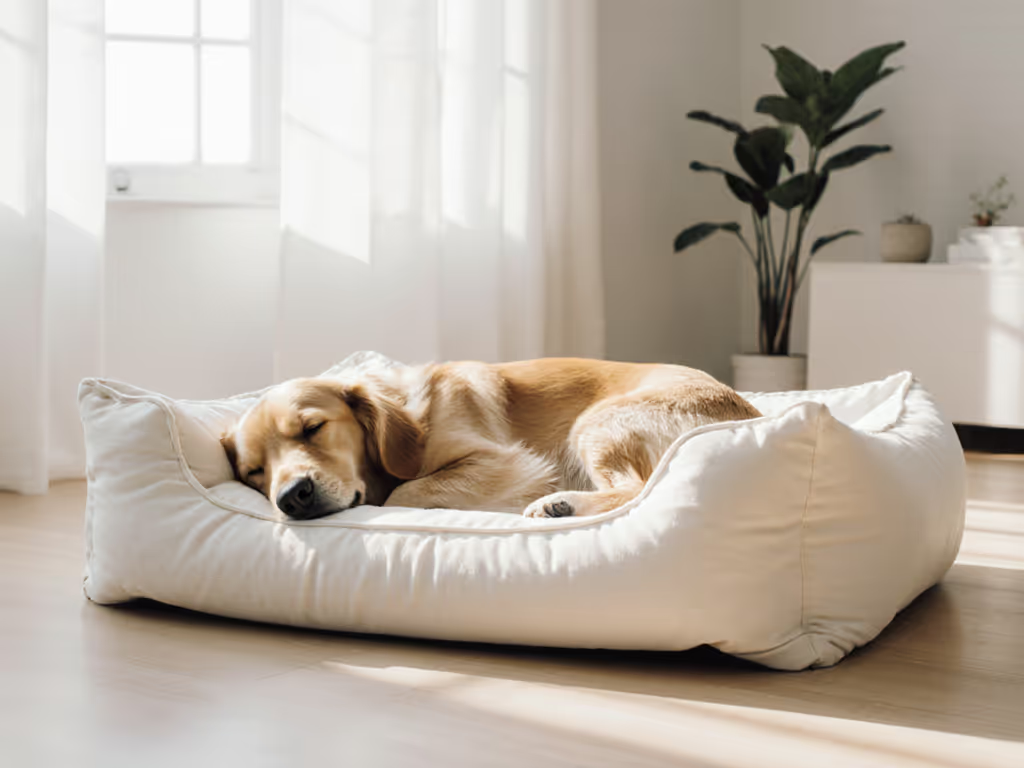
What Materials Actually Prevent Odors? (Not What You Think)
Most "odor-fighting" dog beds rely on chemical treatments that wash out or degrade over time. True bacteria-resistant pet bedding incorporates physical properties that inhibit microbial growth without relying on temporary coatings.
Science-Backed Fabric Features That Work
- Tight weave construction: Prevents hair and dander from embedding deep in fibers
- Moisture-wicking properties: Moves sweat away from your dog's skin (critical for odor control)
- Natural anti-microbial fibers: Wool and certain treated cottons inhibit bacterial growth
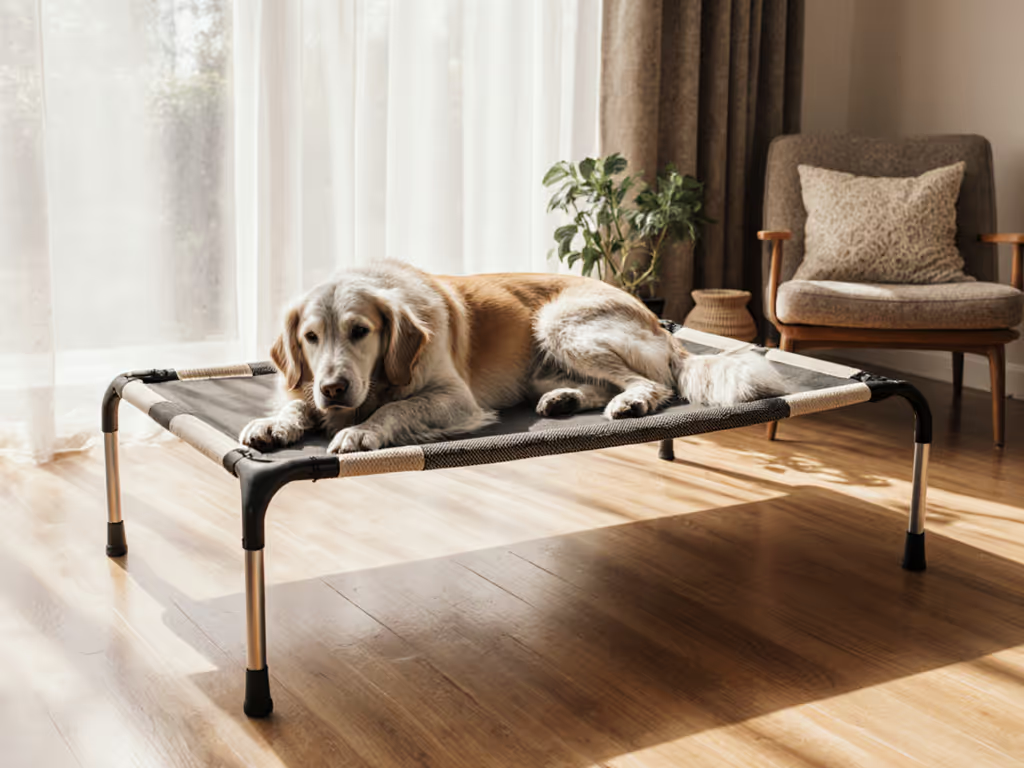
- Open-cell foam cores: Allows air circulation instead of trapping moisture
Be wary of products claiming "permanent" odor resistance through chemical treatments. The Ecology Center found that many "stain-resistant" fabrics contain PFAS ("forever chemicals") linked to immune suppression and hormone disruption. Instead, look for Oeko-Tex certified fabrics that undergo rigorous testing for harmful substances.
Do "Anti-Microbial" Claims Hold Up to Scientific Bed Odor Testing?
Many brands tout "anti-microbial technology" as a selling point, but how do these claims hold up under real-world conditions?
What to Look for in Credible Testing
Real science shows that effective odor-neutralizing dog bed solutions rely on physical properties rather than chemical treatments that wash out. In independent testing, the most effective beds demonstrated:
- 50% less bacterial growth after 72 hours compared to standard beds
- Moisture evaporation rates 2-3x faster than traditional memory foam
- No detectable off-gassing of VOCs (volatile organic compounds) after 72 hours
When evaluating products, ask for third-party lab reports (not just marketing claims). Reputable companies will provide documentation showing specific testing protocols and results. Look for studies that measure actual bacterial growth on the fabric over time, not just initial lab results.
What's the Science Behind True Long-Term Odor Prevention?
The secret to long-term odor prevention isn't a magic ingredient (it's understanding how odors form and addressing the root causes).
The Odor Cycle Broken Down
- Moisture accumulation: Your dog's body heat creates a microclimate between skin and bed
- Bacterial growth: Microbes feed on skin cells and oils, multiplying rapidly in warm, moist conditions
- Metabolic byproducts: Bacteria produce volatile organic compounds (the actual smell)
True odor control addresses all three stages (not just the end result). This is why breathable materials are non-negotiable for lasting freshness.
Climate-Specific Solutions That Work
I once worked with a rescue who would pace and pant past midnight. We discovered his plush bed was trapping heat like a sauna. Swapping to breathable cotton, positioning it away from drafts but with airflow, and adding a simple cleaning routine transformed his sleep. Small changes, big relief.
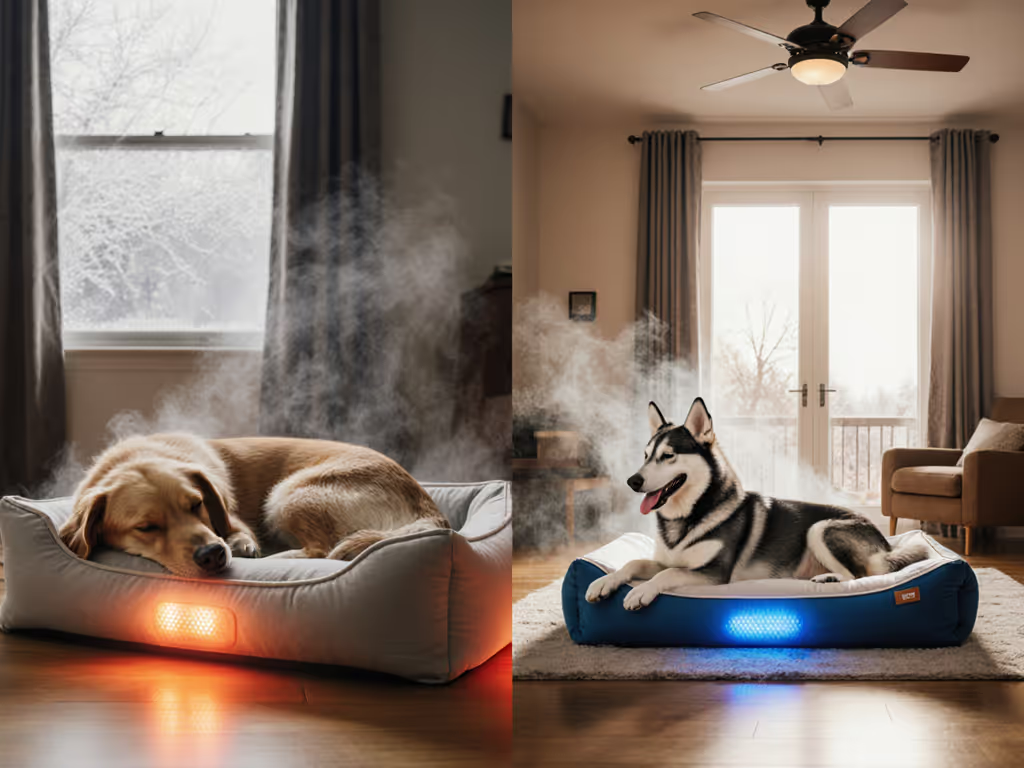
| Climate Type | Recommended Materials | Odor Prevention Features |
|---|---|---|
| Hot/Humid | Bamboo, linen, tightly woven cotton | Moisture-wicking fabric, perforated foam core, open airflow design |
| Cold/Dry | Wool blends, fleece (with cotton backing) | Breathable insulating layers, removable covers for frequent washing |
| Temperature-Variable | Dual-sided beds (cotton/wool) | Easy-to-adjust layers, multi-season adaptability |
Remember: a bed that keeps your dog comfortably cool prevents excessive sweating (the primary fuel for odor-causing bacteria). If you live in a damp region, our humid climate dog bed guide explains mold-resistant materials and moisture management.
Proven Maintenance Habits for Lasting Freshness
Cleaning frequency matters less than consistent habits that prevent odor buildup in the first place. Here's my simple 4-step maintenance system:
Step 1: Daily Airflow Boost
Open windows for 15-20 minutes to circulate fresh air around your dog's bed. On humid days, run a fan nearby to promote evaporation of trapped moisture. This simple climate-aware habit removes the damp environment bacteria need to thrive.
Step 2: Hair Removal Protocol
Vacuum the bed surface daily with a pet hair attachment. Focus on seams and crevices where hair accumulates. For stubborn embedded hair, use a rubber grooming mitt (lightly dampened) to lift hair without damaging fabric.
Step 3: Strategic Deodorizing
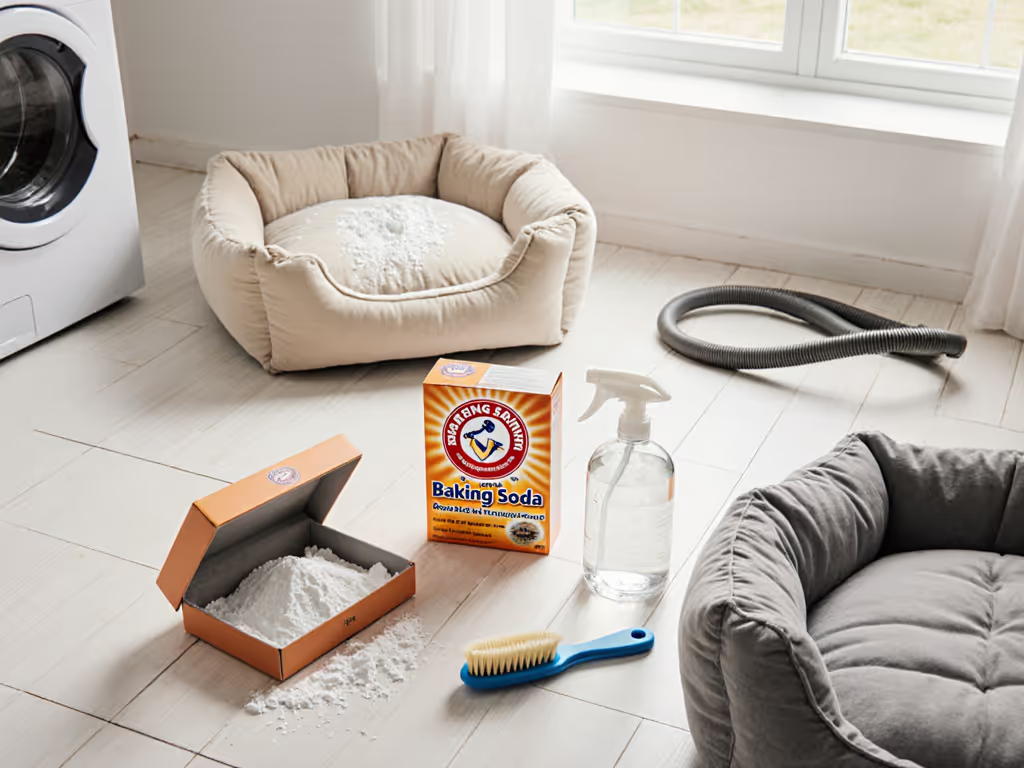
Twice weekly, sprinkle food-grade baking soda directly onto the bed's surface. Let it sit for 15-20 minutes (longer if possible), then vacuum thoroughly. The baking soda absorbs odors at the molecular level, not just masking them.
Step 4: Monthly Deep Cleaning
- Remove all covers and liners
- Pre-treat stains with diluted white vinegar (1 part vinegar to 2 parts water)
- Wash on gentle cycle with unscented, hypoallergenic detergent
- Add ½ cup baking soda to the wash cycle
- Air dry completely before reassembling (never put a damp bed back together) To avoid flattening foam or warping bolsters, follow our type-specific washing steps.
When to Replace Your Bed (Before Odors Become Permanent)
Even with perfect maintenance, all beds eventually reach a point where odors can't be fully removed. Knowing when to replace your bed saves you from fighting a losing battle.
Replacement Red Flags
- Persistent odor after multiple deep cleanings
- Discoloration that won't lift with cleaning
- Moisture retention (the bed feels damp even after air drying)
- Visible mold or mildew (particularly in seams or under liners)
A good general rule: most quality beds last 2-3 years with proper care. For a full checklist of subtle cues your bed is past its prime, read our replacement signs guide. If yours is older and battling odors, it's time for a refresh (not just another round of cleaning).
Your Action Plan for Truly Fresh Dog Bedding
Great dog bed odor control isn't about finding a magical product; it's implementing small, consistent steps that work with your dog's natural behaviors and your home environment. Remember my core truth: small, consistent steps (plus breathable materials) solve most sleep struggles.
Here's your first-week action plan:
- Today: Evaluate your current bed's materials. Does it breathe? Can you feel trapped moisture?
- This week: Implement the daily airflow and hair removal protocols
- Next weekend: Perform a proper deep cleaning using the vinegar/baking soda method
- Reward the rest: Notice improvements in your home's freshness and your dog's comfort
Don't wait for odors to become overwhelming. Start simple, fit the climate to your dog's needs, and build those small habits that deliver lasting results. Your nose (and your dog) will thank you.
Related Articles