Dog Bed Fabric Types: Match Material to Your Dog's Needs
By Kai Romano • 4th Apr
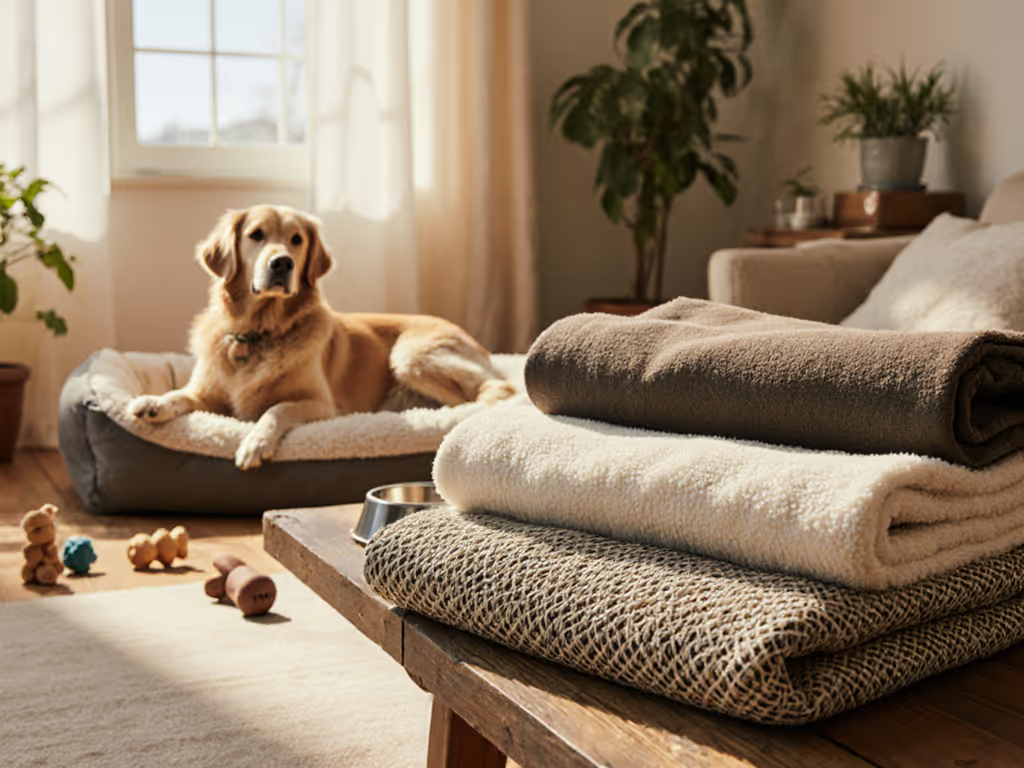
Choosing the right dog bed fabric types starts with one non-negotiable principle: the material must hold its shape through repeated washing and outlast your dog's wear pattern.[1] Comfort is non-negotiable, but a bed that flattens after six months or shreds after a few cycles fails your dog and your wallet - no matter how plush it feels on day one. The best bed for a dog isn't the softest or most stylish; it's the one engineered to survive real life: muddy paws, shedding fur, the occasional accident, and yes, the determined chewer testing every seam.
After designing wash-and-measure protocols that pushed beds through the equivalent of years of use in weeks, I've learned that fabric choice drives durability more than marketing claims ever will. The difference between a bed lasting three years and three months often comes down to whether you picked canvas or fleece, ballistic nylon or velvet. This guide translates material specs into verdicts you can act on, backed by durability ratings, tear resistance metrics, and straightforward trade-offs. For deeper material testing, see our fabric durability guide.
Durability vs. Comfort: The Core Trade-Off
Fabric selection is a series of deliberate compromises. The toughest materials often feel industrial; the softest ones wear thin under repeated washing.[2] Here's what the data reveals:
| Fabric Material | Tear Resistance | Breathability | Washability | Best For | Reality Check |
|---|---|---|---|---|---|
| 1680D Ballistic Nylon | Maximum | Low | Easy | Aggressive chewers, outdoor use | Plastic-like feel; no soft surface |
| Canvas Duck Cloth | High | Maximum | Easy | Scratchers, nesting dogs, thick coats | Rigid at first; softens with time |
| Corduroy | High | Medium | Easy | Active dogs, frequent washers | Less durability than canvas |
| Waterproof (PU-Coated) | Medium | Low | Very Easy | Puppies, seniors, incontinence | Cold to touch; traps body heat |
| Fleece/Polar | Low | Medium | Very Easy | Small breeds, seniors, cold climates | Pills and matts; sheds fibers |
| Memory Foam + Soft Cover | Low | Medium | Moderate | Comfort-seekers, older dogs | Cover tears easily; foam compresses |
| Velvet | Very Low | Low | Difficult | Style-conscious homes only | Snags easily; absorbs odor |
The threshold moment: Tears appear in fleece around 80-100 wash cycles.[2] Canvas and ballistic nylon hold past 200. If you wash weekly, that's less than two years versus five years or more, a measurable difference in total cost of ownership.
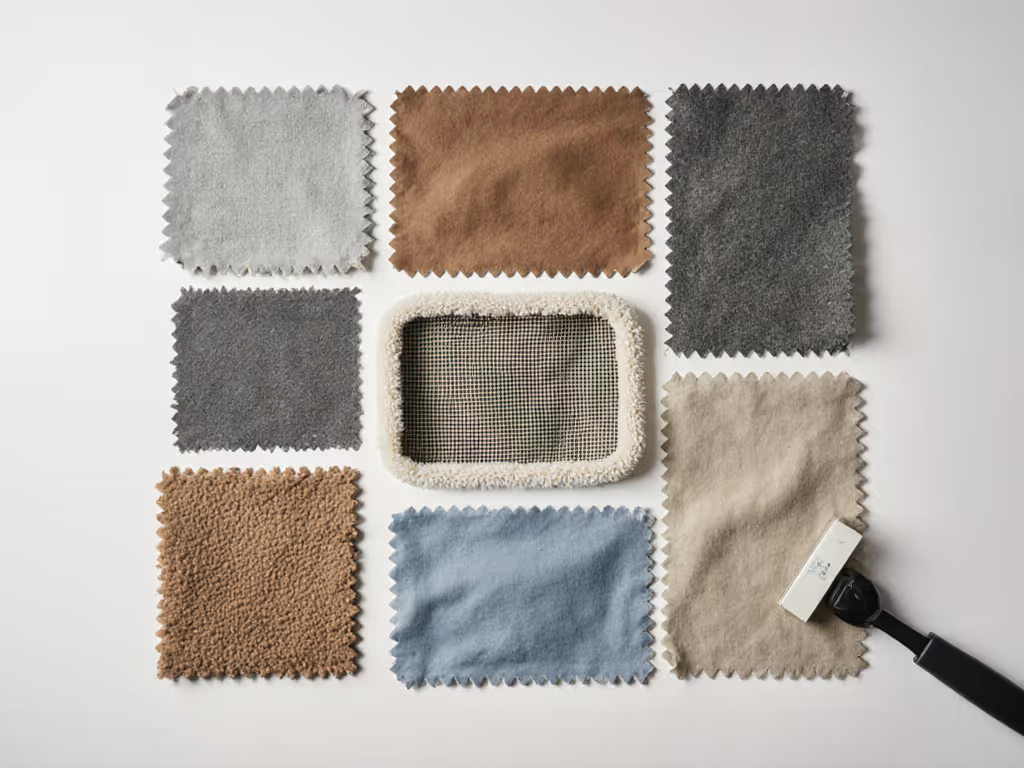
Canvas and Duck Cloth: The Workhorse Option
Canvas duck cloth delivers the highest breathability and abrasion resistance among natural cotton fibers.[2] The fabric locks its warp and weft threads together, which disperses the mechanical stress of a dog's claws across the entire surface area instead of creating a single weak point.[2] This design makes it the go-to for dogs who scratch or nest, and for owners who wash beds weekly.
Durability threshold: 12 oz. canvas ranks high on tear resistance (Wyzenbeek method) and ages gracefully without losing tensile strength.[2] The 100% natural cotton construction means it breathes like your own sheets, preventing hot spots that drive restlessness.[4]
Trade-offs: Canvas feels stiff and industrial on day one. It softens with washing, but it's not a plush aesthetic. Cost is moderate ($$), and it requires dry time (typically 2-3 hours in a standard dryer compared to 1-1.5 hours for synthetic blends). For owners willing to let the bed cure and wash on a regular schedule, canvas passes real-world testing with flying colors.
Cleaning reality: Machine wash in cold or warm water, dry on medium heat. Fabric shrinks minimally if you follow care instructions. If it survives our washes, it earns my trust.
Ballistic Nylon: Maximum Puncture Resistance
1680D ballistic nylon provides maximum puncture resistance through a heavy-duty polymer basketweave.[2] This is the material used for military gear and luggage, and for the dog whose mouth is stronger than patience allows.
Durability threshold: Ballistic nylon maximizes tear strength and resists abrasion from determined chewing and repetitive scratching.[2] It doesn't pill, snag, or unravel the way lower-denier fabrics do. Many premium bed makers (like Kuranda) offer ballistic as their mid-tier chew-proof option.[3]
Trade-offs: The smooth surface won't catch hair (a cleaning win), but it also provides less traction for senior dogs or dogs with mobility issues.[3] It's water-repellent but not waterproof; spills bead on the surface rather than soaking in, which is helpful for incontinence but can feel clammy in humid climates. The plastic-like finish lacks the comfort of natural fabrics.
Best match: Aggressive chewers, outdoor boarding situations, or multi-dog households where durability is the primary concern. Cost is mid-range ($$$). Cleanup is straightforward: spot-clean with a damp cloth or machine-wash on gentle cycle.
Polyurethane-Backed Fabrics: Waterproofing With Trade-Offs
Waterproof capabilities require a permanent polyurethane (PU) backing to withstand hydrostatic head pressure (the weight of moisture pressing against the fabric).[2] These materials are non-negotiable for puppies in potty-training, seniors with incontinence, and dogs prone to overheating and drooling. For top performers in this category, check our waterproof dog beds tested.
Durability threshold: PU-coated fabrics hold seams well and resist staining, but the backing can crack or peel after repeated flexing and washing.[2] Most hold up for 100-150 cycles before the waterproof layer degrades. Cost is higher ($$-$$$), and the synthetic feel is pronounced.
Comfort reality: The backing traps heat and doesn't breathe like natural fibers, which can create a sweaty feeling for dogs that sleep warm. In cooler climates, this isn't a liability; in hot or humid regions, it drives dogs off the bed.
Cleaning: Easy to spot-clean and sanitize, a critical advantage for medical situations. Machine-washable, but low spin speeds and air-drying extend the life of the backing.
Fleece and Sherpa: Comfort Over Durability
Plush, sherpa, and fleece textures mimic the feeling of cuddling with a mother or littermates, offering immediate security to anxious pets.[4] For small breeds, seniors, and cold-climate dogs, the insulating feel justifies the trade-off in durability.
Durability threshold: These high-pile fabrics rank low on tear resistance and pill over time.[2][4] Debris gets trapped deeper than on smooth fabrics, making odor control harder. Expect visible wear after 60-80 wash cycles; at 12 washes per year, that's 5-7 years if your dog is gentle, or 2-3 years if active.
Cleaning complexity: Hair clings to fleece like a magnet, requiring frequent vacuuming between washes. See our hair-resistant beds test for fabrics that release hair in the wash. Microfiber (a synthetic blend) offers similar softness with slightly better durability, but both mat over time.[4] Machine-wash on gentle, lay flat to dry (tumble heat accelerates pilling).
Best match: Dogs under 30 pounds, seniors, or cold-climate households where the bed stays indoors and isn't subjected to heavy use. Cost is budget-friendly ($-$$).
Cotton: Breathability and Allergies
Cotton is a breathable, natural fiber that feels much like your own cotton sheets, allowing for excellent air circulation and preventing hot spots.[4] Because it is gentle and typically hypoallergenic, cotton is a top choice for pets with skin sensitivities or hair loss issues.[4] However, standard cotton is not waterproof and can wear out faster than heavy-duty synthetics if the animal is a digger.[4]
Durability threshold: Uncoated cotton ranks lower than canvas or ballistic nylon in tear resistance, making it a poor choice for destructive chewers. But for gentle, indoor dogs with allergies or sensitive skin, the breathability and low chemical footprint justify the shorter lifespan.
Certifications matter: Look for fabrics certified by OEKO-TEX® or CertiPUR-US®, which guarantee textiles lack toxic azo dyes and volatile organic compounds (VOCs).[2] Not sure which certification matters more? Read our OEKO-TEX vs CertiPUR-US comparison to see the differences. These certifications reduce off-gassing and chemical irritation, especially important for dogs with respiratory or skin sensitivities.
Specialized Options: Heavy-Duty Vinyl and Textilene
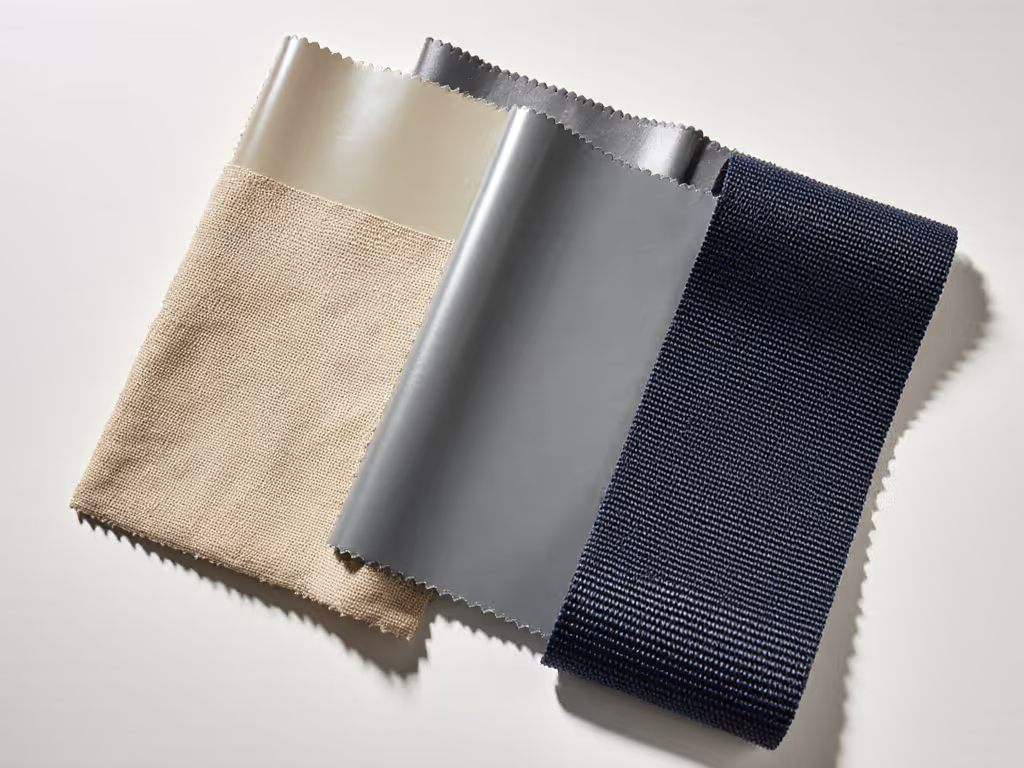
Heavy-duty vinyl (40 oz.) is the most durable and easiest-to-clean option, ideal for determined diggers and frequent sanitizing.[3] Its smooth surface is similar to a gym mat and can easily be sprayed and wiped clean, making it the standard for professional kennels and boarding facilities.[3] Durability is virtually unlimited; the barrier is comfort (it's not soft).
Textilene (outdoor mesh) is breathable and dries fast, making it ideal for summer use or wet climates.[3] However, it offers no cushioning and ranks low on comfort, limiting it to dogs that prefer sleeping on solid ground or in covered outdoor spaces.
Matching Fabric to Your Dog's Behavior and Climate
If a bed can't keep its shape and clean easily, it's not a long-term fit, no matter the marketing.
For heavy chewers: Military-grade canvas, ripstop nylon, or specialized "chew-proof" beds with reinforced edges.[1] Ballistic nylon or heavy-duty vinyl pass real-world testing.
For dogs with allergies: Tightly woven microfiber, genuine leather, or hypoallergenic fabrics certified OEKO-TEX®.[1][2]
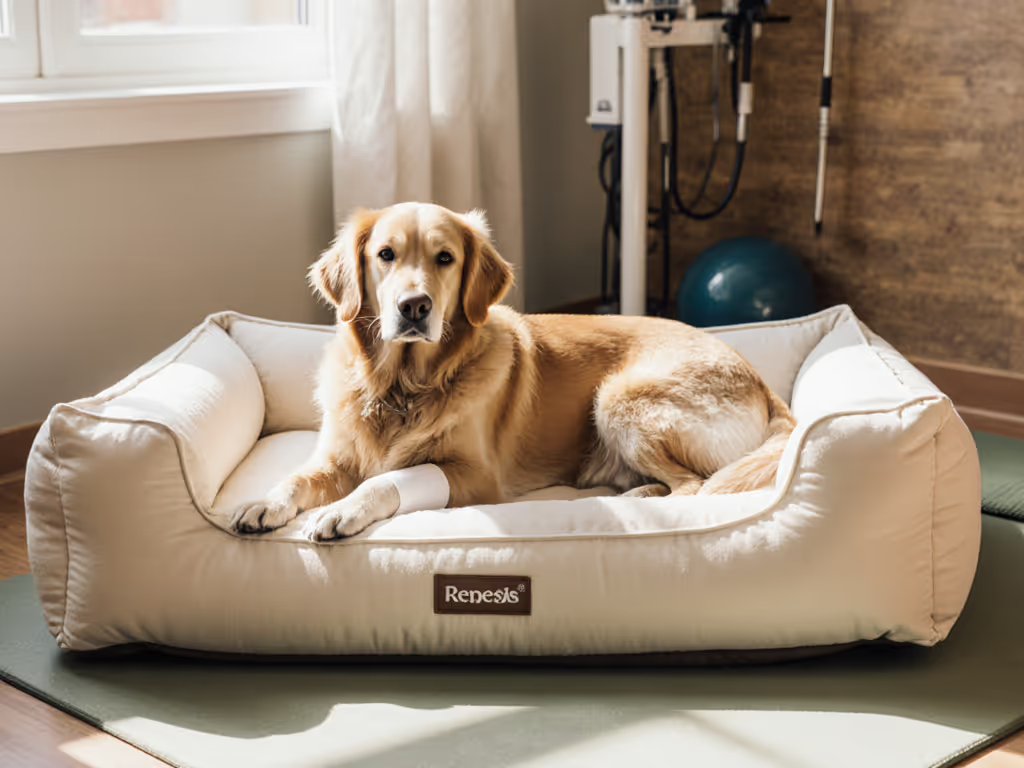
For senior dogs: Memory foam base with soft covers (fleece, cotton, sherpa) or orthopedic foam with washable plush covering.[1] Ensure traction; textured fabrics like Cordura are safer for dogs with mobility issues than slippery ballistic nylon.[3]
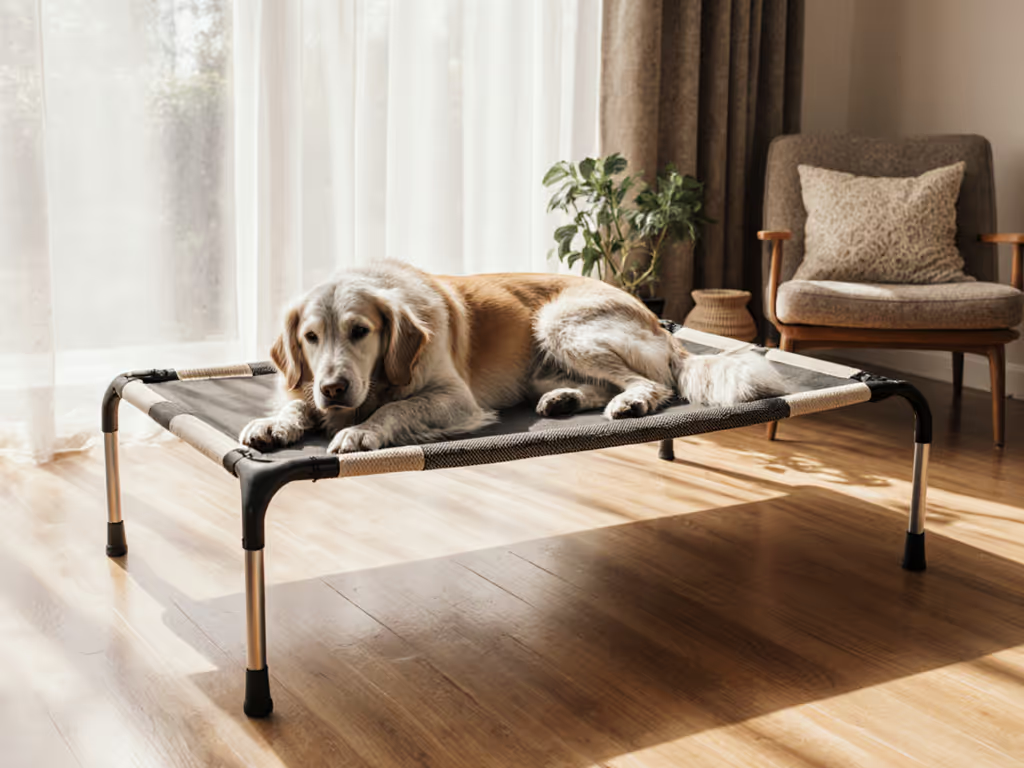
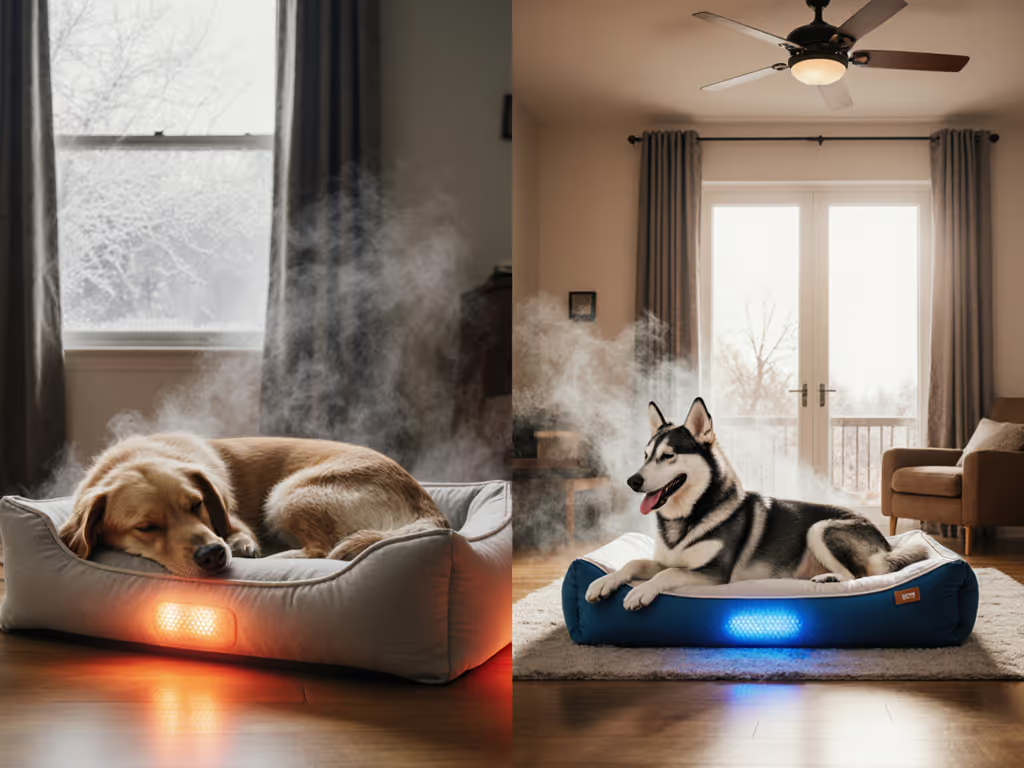
For hot climates: Mesh materials, "cool touch" technical fabrics, or elevated cot-style beds.[1] Avoid waterproof coatings, which trap heat.
For cold-sensitive breeds: Self-warming fabrics, thick fleece, teddy materials, or beds with heat-reflecting layers.[1] Ballistic nylon's water-repellent quality helps retain body heat, while fleece insulates naturally.
For frequent washing: Canvas, corduroy, waterproof-backed fabrics, or ballistic nylon all survive 100+ cycles.[1][2] Fleece and velvet deteriorate faster and should be hand-washed or delicately cycled.
The Seam and Construction Factor
Fabric choice alone doesn't guarantee durability. Fabric strength fails without proper mechanical bed design, such as hidden seams and tensioned frames.[2] A bed with exposed seams or single-stitched edges will tear at those weak points first, regardless of whether the fabric is canvas or ballistic.
Look for:
- Double or triple-stitched seams
- Serged edges (edges bound and sealed)
- Reinforced zippers rated for high-cycle use
- Non-slip bases that prevent sliding on hardwood or tile
- Tension systems that keep fabric taut (loose fabric sags, concentrating wear)
When I tested beds after 50, 100, and 200 wash cycles, the seams were the first vulnerability in cheap construction, not the fabric itself. A canvas bed with loose stitching failed before a ballistic nylon bed with reinforced construction.
The Fast-Dry Advantage
Most dog beds take 2-4 hours to dry fully in a standard dryer. Canvas typically dries in 2-3 hours; waterproof-backed fabrics can take 4+ hours because moisture doesn't evaporate from the backing layer. If you live in a humid region, use our humid climate bed guide for mold-resistant picks.
Faster dry times matter because:
- You can wash the bed on your regular schedule without leaving your dog without it for a full day.
- Odors don't linger if the bed dries quickly.
- Mold and mildew risk drops (critical for dogs with respiratory sensitivities or in humid climates).
Fleece and microfiber dry fastest (1-1.5 hours) but wear out sooner. Canvas balances moderate dry time with exceptional durability.
Final Verdict: Matching Fabric to Your Real Life
The right fabric depends on honest answers to three questions:
1. What is your dog's primary wear pattern? Chewers need ballistic nylon or canvas. Scratchers benefit from canvas's grip. Gentle seniors can enjoy fleece or teddy without guilt.
2. How often can you wash the bed? Weekly washers should prioritize fast-drying, high-durability fabrics (canvas, ballistic nylon). Monthly washers can tolerate fleece or cotton because the bed doesn't accumulate odor as quickly.
3. What is your climate and your dog's temperature preference? Hot sleepers in warm climates need breathable fabrics like canvas or mesh; cold-sensitive breeds in winter need fleece or self-warming materials.
The numbers-first conclusion:
- Best overall durability: 12 oz. canvas duck cloth or 1680D ballistic nylon (200+ wash cycles, high tear resistance).[2][3]
- Best for cleaning ease: Waterproof-backed fabrics or heavy-duty vinyl (wipe-clean, sanitize-safe).[3]
- Best for comfort and allergy relief: Organic cotton or OEKO-TEX®-certified fleece (hypoallergenic, breathable).[2][4]
- Best for budget: Fleece or polyester blends ($$-$$, fast-drying).[1][4]
- Best for luxury and style: Sunbrella or premium corduroy (fade-resistant, won't shrink).[5]
A bed that survives 200 wash cycles costs less over five years than replacing a 50-cycle bed every 18 months, even if the durable option costs more upfront. Measure durability by cycles, not price tags. If it survives our washes, it earns my trust, and it should earn yours.
Related Articles