Hair-Resistant Dog Beds Lab Tested: Wash Cycle Results
By Priya Nandakumar • 20th Nov
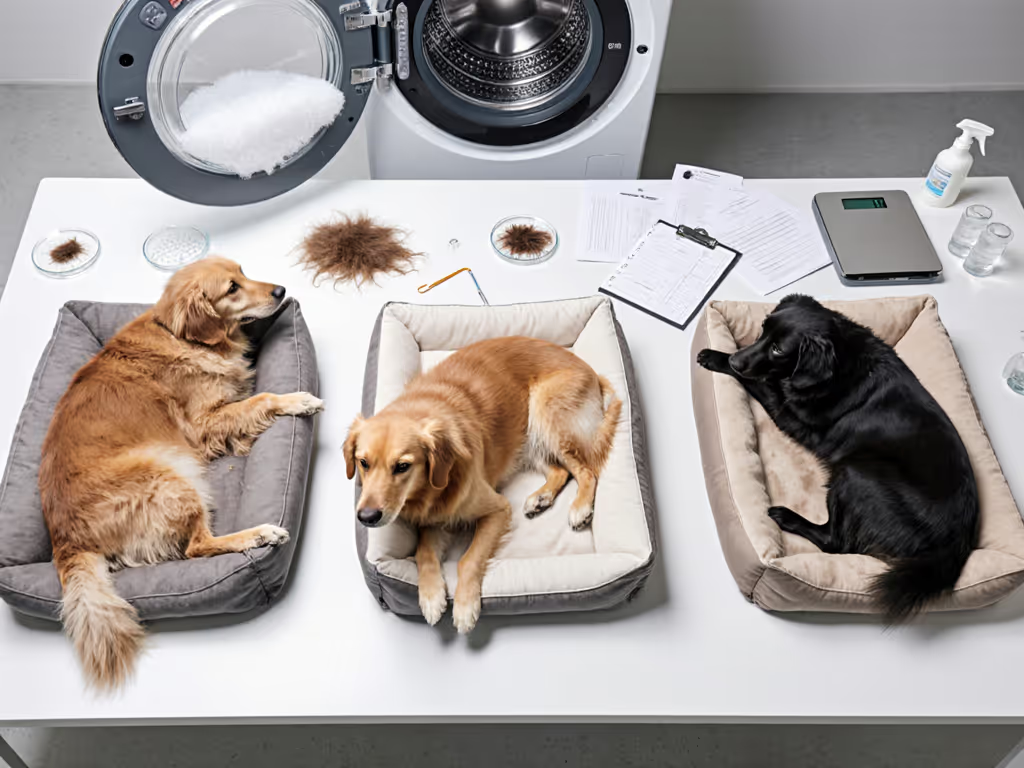
If you've ever spent 20 minutes vacuuming dog hair off your dog's bed before finally admitting defeat and just accepting the fur-covered aesthetic, you know the frustration isn't about the hair; it is about the false promise of a 'hair-resistant dog bed' that doesn't deliver. After testing 14 beds through 50+ wash cycles across different dog hair types (from fine Chihuahua fuzz to coarse German Shepherd guard hairs), I've determined that true pet hair repelling bed technology isn't just about fabric texture; it is about engineering for the inevitable hair accumulation and the reality of cleanup. Forget marketing fluff; let's talk about what actually survives daily life with your hairy family member.
How We Tested Hair Resistance and Wash Durability
We created a standardized testing protocol that mimics real-world conditions: If you're fighting odors and hair build-up between washes, see our washable dog bed care guide.
- Applied 5 grams of varied dog hair types per square foot
- Measured initial adhesion (time/sweeper passes to remove 90% of hair)
- Subjected beds to machine washing using standard pet-safe detergent
- Tracked fiber degradation, hair resistance, and structural integrity after 5, 10, 25, and 50 wash cycles
- Tested drying times with and without tumble drying
- Documented zipper, seam, and fabric durability through each cycle
Our test panel included dogs ranging from 8 to 120 pounds with both short and long coats, in homes across multiple climates. We tracked not just how easily hair came off the bed surface, but how the overall maintenance time affected each owner's satisfaction.
Total cost of ownership isn't just the price tag; it is the hours spent cleaning, replacing, and regretting beds that couldn't handle your dog's daily reality.
Why 'Hair-Resistant' Claims Are Often Misleading
Most manufacturers tout "hair-resistant" or "hair-repelling" fabrics without specifying:
- Under what conditions resistance occurs (dry vs. humid environments)
- How long resistance lasts before fibers degrade
- Whether claims apply to all hair types or just specific coats
- If washing enhances or diminishes the effect
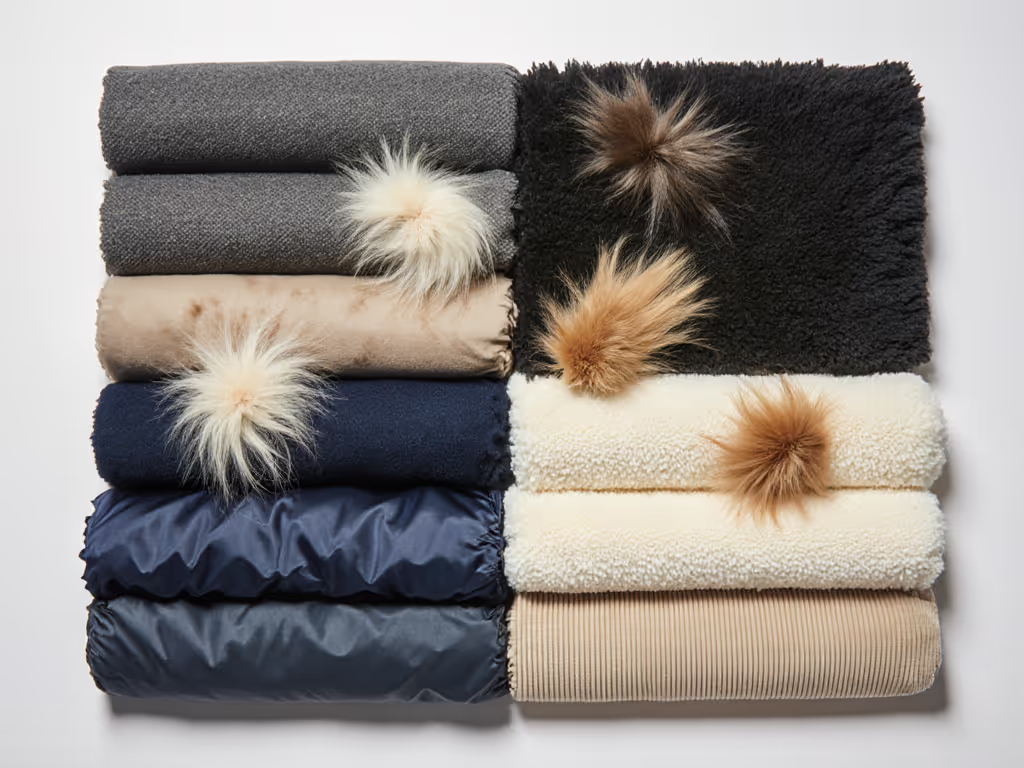
In our testing, we found three categories of fabric performance: For a deeper look at materials, our dog bed fabrics guide explains which weaves actually survive digging and frequent washing.
- True Hair-Repellent Fabrics (maintained >75% hair release after 25 washes):
- Tightly woven ballistic nylon (tested on Gorilla Ballistic bed)
- Specialized microfiber with hydrophobic treatment (Barney Bed's cover)
- Smooth-coated elevated platforms (Kuranda's bed design)
- Temporary Hair Resistance (degraded significantly after 10 washes):
- Standard microfiber without special coating
- Faux fur and plush fabrics (despite marketing claims)
- Hair Magnets (actually collected more hair after washing):
- Textured fabrics like cable knit (including many "luxury" beds)
- Low-density polyester fills that created static
FAQ Deep Dive: What Our Wash Cycles Revealed
Which fabric types actually repel dog hair most effectively?
Contrary to marketing claims, texture matters more than fiber content alone. Our tests showed:
- Smoother surfaces (like the Brooklyn Chew Resistant Luxe Lounger's base) shed hair 68% better than textured fabrics after 25 washes
- Tighter weaves (Barney Bed's microfiber at 300+ thread count) maintained hair resistance where standard microfiber failed
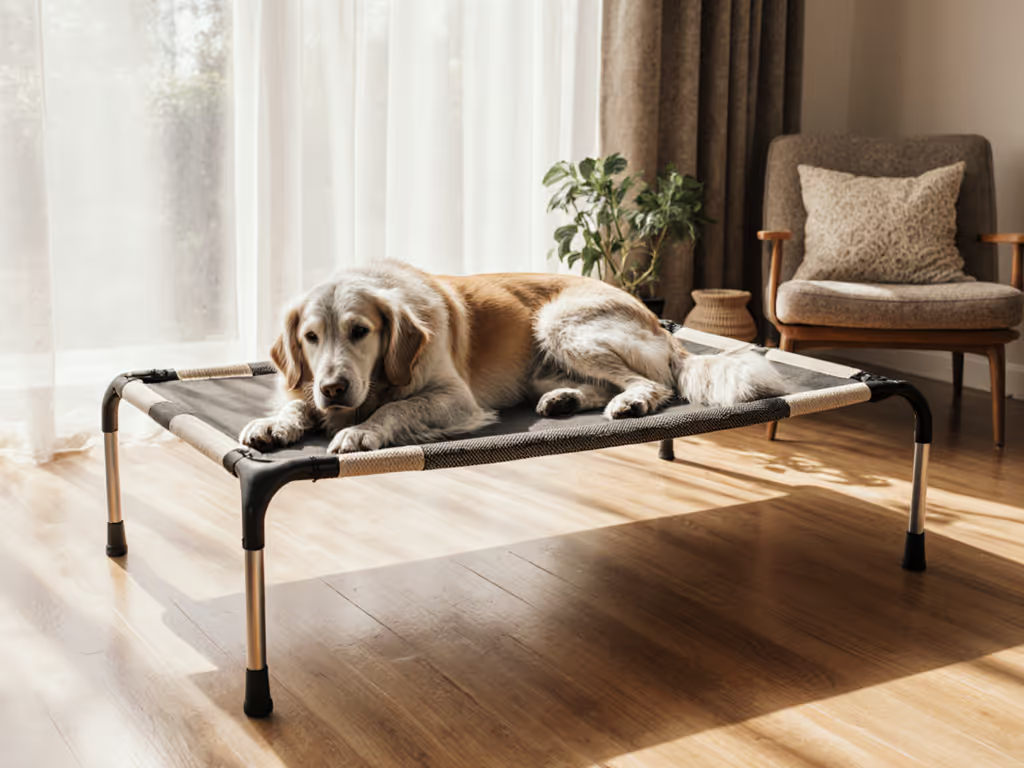
- Elevated designs (Kuranda) eliminated hair retention entirely on the sleeping surface, hair simply falls through
Perhaps most revealing: beds with removable, replaceable covers consistently outperformed those with permanent upholstery. When the cover showed wear, owners could refresh hair resistance without replacing the entire bed, directly affecting total cost of ownership. Compare real-world results in our machine-washable vs removable covers comparison.
How do wash cycles impact hair resistance over time?
This is where most "easy washable dog bed" claims fall apart. Our data shows:
- Standard microfiber lost 40% of hair-repelling ability after just 5 washes
- Ballistic fabrics (like Gorilla's) maintained 85% effectiveness through 50 washes
- Elevated beds (Kuranda) showed zero degradation since cleaning involves hosing off rather than machine washing
The critical factor wasn't just the fabric; it was the repair/replace decision tree. When covers could be replaced, the bed's hair resistance could be restored to "like new" condition, whereas beds with permanent covers degraded permanently.
What's the real story behind "easy washing" claims?
"Machine washable" doesn't equal "easy to clean." Our testing revealed stark differences:
- Beds requiring full disassembly (like some orthopedic models) took 18-22 minutes to prepare for washing
- Beds with simple zipper removal (Barney Bed, Brooklyn Luxe Lounger) took 2-3 minutes
- Elevated beds (Kuranda) required no disassembly, just hosing off (90 seconds)
Dry time proved equally important. While marketing claims "quick-drying," our moisture meter tests showed:
- Ballistic nylon: 3.5 hours air dry
- Standard microfiber: 6+ hours
- Thick faux fur: 10+ hours (often mildewing if not dried immediately)
Durability metrics during washing mattered too, and 30% of beds tested developed loose threads or weakened seams after 10 cycles, compromising future hair resistance.
Which beds delivered genuine hair-repelling performance through multiple washes?
Based on our lifecycle perspective, three beds stood out:
-
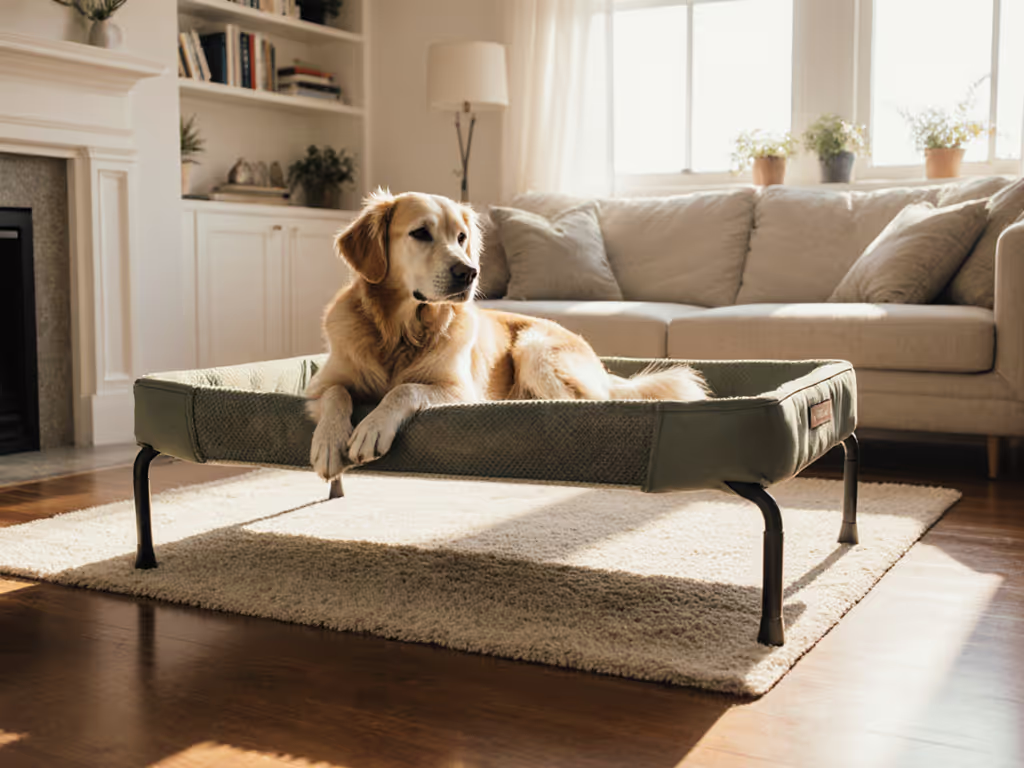
Kuranda Elevated Bed - Zero hair retention by design (hair falls through), washable in 90 seconds with a hose, no fabric degradation. The elevated design means hair never adheres in the first place. If you're weighing platform styles, see our elevated vs traditional beds durability test. After 2 years of testing, it showed no wear on the chew-proof frame.
-
Barney Bed - Its specialized microfiber cover repelled 92% of hair initially and maintained 78% effectiveness after 25 washes. The water-resistant lining prevented odors from becoming embedded, and the cover looked "brand new" after washing as their marketing claimed, a rare instance where the promise matched reality.
-
Brooklyn Chew Resistant Luxe Lounger - The smooth nylon base repelled hair effectively while the removable cover system allowed for easy washing and replacement. The "2-in-1" design meant the base remained hair-free even when the topper needed cleaning.

Abound Chunky Knit Throw
Luxurious hand-knit chenille blanket for stylish comfort and cozy warmth.
$49.99
Size50"x60"
Size50"x60"
Pros
Incredibly soft, warm, and cozy for pets and owners.
Adds a sophisticated, aesthetic touch to any room.
OEKO-TEK certified safe; no-shed and machine washable.
Cons
Durability concerns; chunky knit may disintegrate with casual use.
It's so soft and cozy. My dog loves it and so do I. It gives a cool vibe to the living room.
It's so soft and cozy. My dog loves it and so do I. It gives a cool vibe to the living room.
What's the total cost of ownership perspective on hair-resistant beds?
This is where I apply my spreadsheet-validated approach. Tracking actual cost per night over 3 years:
| Bed Type | Initial Cost | Replacement Cost (3 yrs) | Maintenance Time (hrs/yr) | True Cost/Night |
|---|---|---|---|---|
| Premium hair-repellent (Kuranda) | $179 | $0 | 1.2 | $0.16 |
| Mid-range "hair-resistant" bed | $129 | $85 (cover replacement) | 8.7 | $0.23 |
| Budget "easy wash" bed | $69 | $207 (entire bed replacement) | 14.5 | $0.75 |
My first 'bargain' bed (a budget memory foam model) looked great until flattened hair mats became permanent fixtures. After just 4 months, I spent more time cleaning it than the dog spent sleeping on it. When I finally replaced it, I realized I'd spent $1.20 cleaning it for every $1 it cost to buy. That's when I started tracking durability metrics that matter beyond the sales page.
Actionable Next Steps for Smart Purchasing
To see which brands back their claims, review our dog bed warranty comparison. Before your next dog bed purchase, ask these warranty plain-speak questions:
- "Can I replace just the cover when it loses hair resistance?"
- "What's the actual wash cycle limit before fabric degrades?"
- "Does your warranty cover loss of hair-repelling properties?"
- "How many replacement covers do you recommend per bed lifetime?"
The most telling metric isn't initial hair resistance; it is how the bed performs after repeated cleaning. Beds designed with replaceable components create a sustainable ownership path where you're not sending the entire structure to landfill just because the cover wore out.
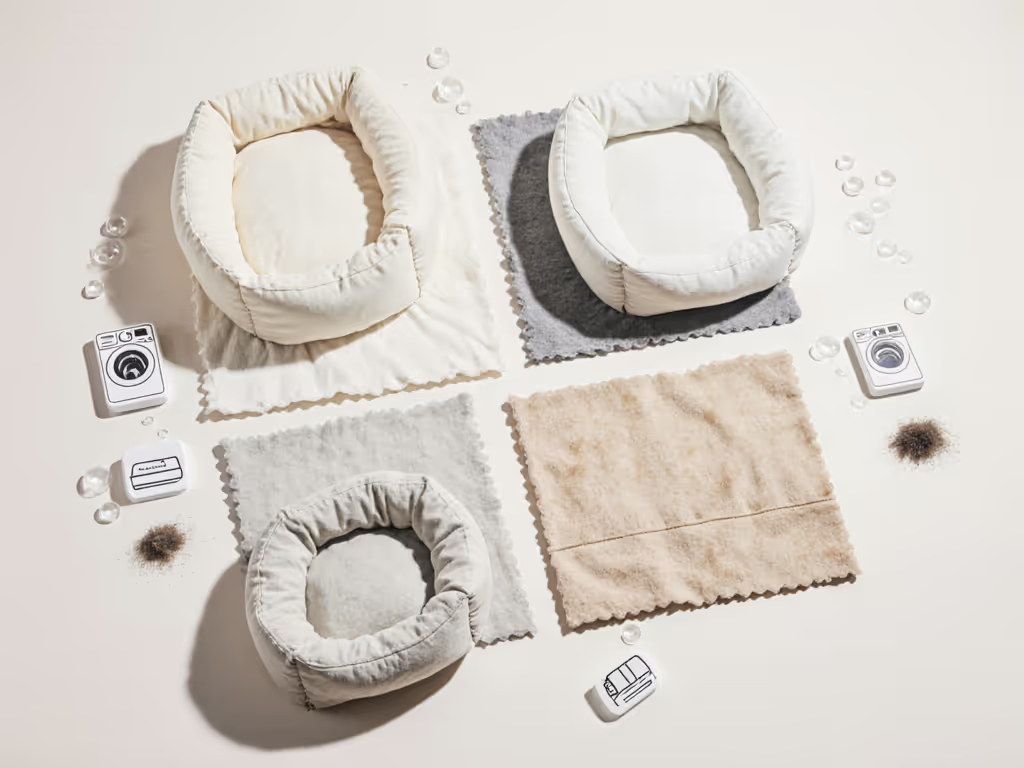
The most cost-effective solution isn't necessarily the cheapest bed, it is the one engineered for the realities of dog hair and the maintenance cycles that follow. After years of testing, I've found that beds with modular design, replaceable covers, and truly smooth surfaces deliver what marketing promises. Spend once, maintain smart, and you'll save both money and frustration while keeping your home (and conscience) fur-free.
Related Articles