Congestive Heart Failure Dog Beds: Materials & Cooling
By Luca Cheng • 19th Feb
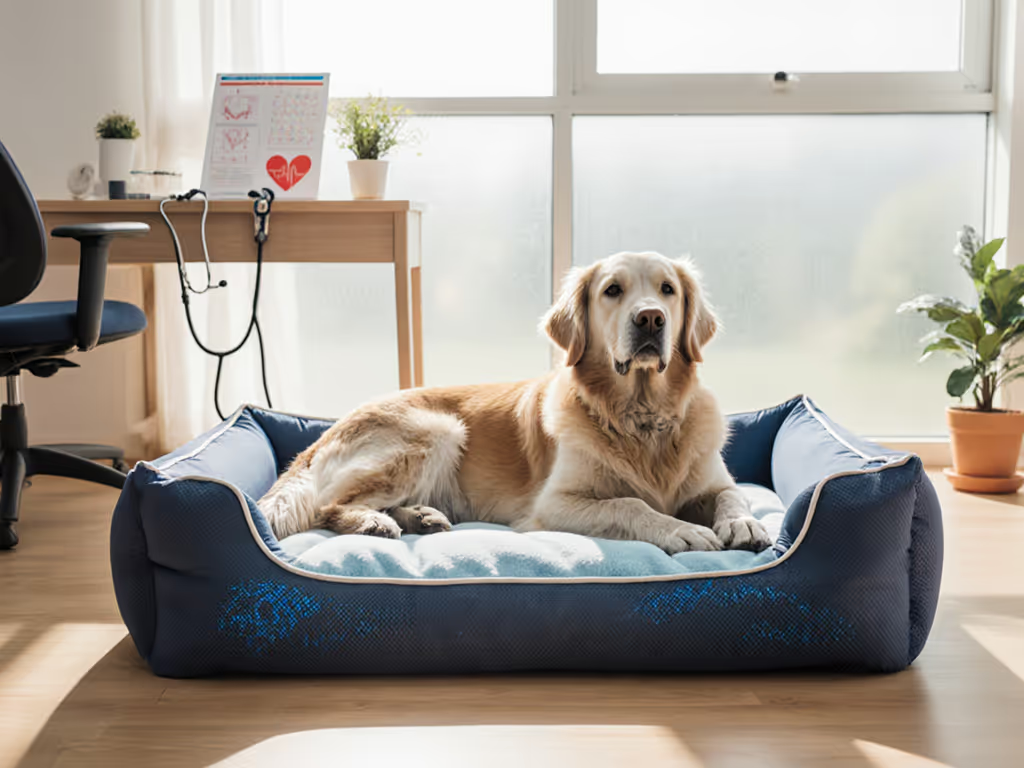
When a dog is diagnosed with congestive heart failure (CHF), the ripple effects touch everything, including medication schedules, activity limits, and the bed itself. Unlike typical orthopedic concerns, cardiac dog bed materials and thermal management become critical to your dog's daily comfort. A congestive heart failure dog bed is not just about cushioning joints; it is about preventing overheating, reducing cardiac workload, and creating a sanctuary where your dog can actually rest. Orthopedic memory foam alleviates pressure on joints, but for CHF dogs, breathability and cooling properties matter equally. Focus on the materials, features, and thermal strategies that earn a spot in your living room while keeping your dog's heart working efficiently.
Why Materials Matter for Dogs with Cardiac Conditions
Standard dog beds, whether plush or memory foam, often trap heat. A dog with CHF already struggles with fluid circulation and may have elevated resting body temperature. The wrong bed material can force your dog's heart to work harder to regulate core temperature, which means better sleep starts with the right textile choice. Beyond comfort, material selection directly impacts your dog's ability to rest deeply, which reduces cortisol and supports healthy blood pressure.
1. Memory Foam with Open-Cell Architecture
What it is: High-density memory foam engineered with perforated cells that allow air to flow through the material rather than being trapped.
Why it works for CHF: Traditional memory foam conforms to your dog's body but can feel hot because air cannot circulate. Open-cell memory foam provides the same joint support and pressure relief while promoting airflow. Research confirms that quality orthopedic mattresses maintain their shape and support over years of use, which is critical for dogs needing consistent biomechanical alignment to reduce strain on the heart and lungs.
Practical consideration: Look for foam density specs. A 4" support base topped with 2" of memory foam (a standard for larger dogs) balances support with breathability. This dual-layer approach prevents bottoming-out while maximizing air circulation, and the structure itself encourages cooling.
2. Gel-Infused Foam Layers
What it is: Memory foam blended with cooling gel particles that absorb and dissipate body heat before it accumulates in the bed.
Why it works for CHF: Dogs with heart conditions often experience temperature dysregulation, especially during rest when activity-based cooling is not available. Gel-infused layers actively pull heat away from your dog's body without requiring electricity. This passive cooling system helps your dog maintain a lower resting temperature, reducing cardiovascular strain.
Practical consideration: Gel-infused foam feels firmer initially. Test your dog's pressure points at the hips and shoulders. If those areas sink faster than expected, the foam may not be dense enough for your dog's weight. Use our foam density by weight guide to match density to your dog's size and prevent bottoming out. The gel benefit diminishes if the foam underneath lacks structural integrity.
3. Breathable Outer Covers (Cotton-Poly Blends)
What it is: Covers woven from cotton and polyester blends, designed to wick moisture while resisting pilling and snags.
Why it works for CHF: Cotton-heavy blends allow moisture to evaporate from your dog's fur and skin rather than trapping sweat. For dogs with CHF, reducing moisture buildup prevents bacterial growth and skin irritation, both stressors that can elevate resting heart rate. Polyester fibers add durability and prevent the cover from becoming limp or sagging over months of use.
Practical consideration: Verify the blend ratio: aim for 50/50 cotton-poly or higher cotton content. Check seam construction. Reinforced stitching at stress points (where your dog enters and exits the bed) prevents unraveling, which matters if your dog digs or shifts constantly. Moisture-wicking fabrics should also be machine-washable at 60°C to eliminate dust mites and odor without chemical treatments. For step-by-step routines that actually remove odors and hair without damaging fabrics, see our washable dog bed care guide.
4. Cooling Gel Toppers and Dual-Sided Inserts
What it is: A removable, non-electric cooling layer (often gel-filled or phase-change material) that sits atop the main bed or a reversible insert with a cooling side and a plush side.
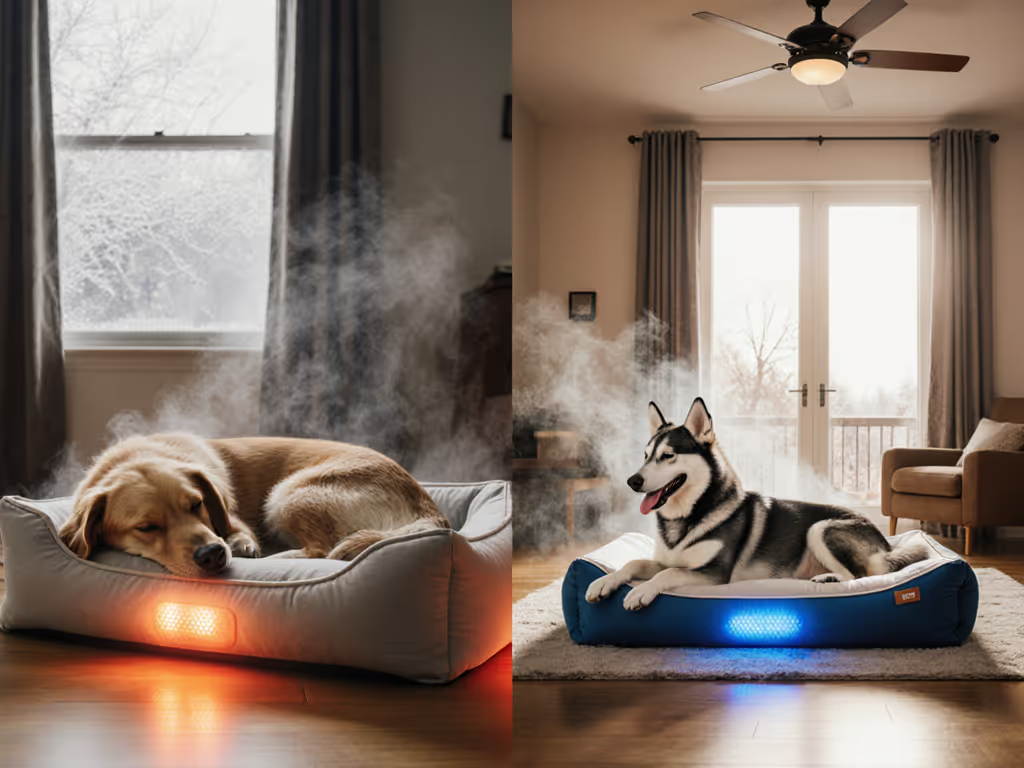
Why it works for CHF: On warm days or during flare-ups when your dog feels feverish, a cooling topper provides immediate thermal relief. On cooler evenings, you flip to the plush side for insulation. This flexibility is crucial. You are not replacing the bed seasonally, just toggling one layer based on your dog's daily need and room temperature.
Practical consideration: Gel toppers cool by absorption and re-radiate slowly, but they are not powered. They work best in rooms under 72°F. To compare built-in cooling options beyond toppers, check our cooling dog beds comparison. In hotter climates, pairing them with airflow (a nearby fan or an open window) amplifies the effect. Check whether the topper is the same size as the bed base. An undersized topper that shifts wastes cooling potential and frustrates a dog trying to center themselves.
5. Latex and Natural Rubber Foam
What it is: Plant-derived foam (often from rubber trees) that is naturally temperature-regulating and hypoallergenic.
Why it works for CHF: Unlike synthetic memory foam, latex does not off-gas chemical smells that can stress a sensitive dog. For dogs with compromised cardiac function and possible respiratory sensitivity, natural materials reduce inflammatory triggers. Latex also maintains its shape over time without significant compression loss (a finding confirmed by durability studies), which means consistent support that helps prevent compensatory postures that strain your dog's cardiovascular system.
Practical consideration: Latex is more expensive than memory foam, and sourcing matters. Look for dunlop latex (simpler processing, fewer additives) or certified organic latex. Verify that the bed is certified by OEKO-TEX or similar standards to ensure no harmful chemicals. Latex does retain more heat than gel-infused foam, so it suits cooler climates or dogs who curl tightly when sleeping.
6. Bamboo-Blend Fabrics for Covers
What it is: Covers made from bamboo viscose, a soft, moisture-wicking textile that dries faster than cotton and resists odor naturally.
Why it works for CHF: Dogs with cardiac issues often have increased urinary frequency due to medication (diuretics) or fluid management. Bamboo fabrics absorb moisture quickly, dry within 1-2 hours on a standard washer-dryer cycle (versus 3-4 hours for pure cotton), and naturally inhibit bacterial growth without harsh chemicals. Fast dry times mean your dog gets a fresh, clean bed more often (important for dogs prone to yeast or bacterial infections, which are more serious for hearts already struggling).
Practical consideration: Bamboo-blend covers are typically 70% bamboo viscose and 30% poly. The blend prevents excessive wrinkling. Confirm that the cover has a full-length zipper to remove easily; half-zippers or envelope closures leave gaps where fur escapes and bacteria can hide. Also, check if the cover is machine-washable separately from the foam core, since washing frequency may differ.
7. Waterproof Liners and Moisture Barriers
What it is: A thin, breathable, waterproof layer (often TPU or polyurethane-coated fabric) placed between the cover and foam core.
Why it works for CHF: Dogs on diuretics or prone to incontinence need protection from urine reaching the foam. A moisture barrier keeps urine at the surface, where it is easily washed away, rather than soaking into foam (which then harbors odor and bacteria). This extends bed life and maintains hygiene without replacing the entire bed after one accident.
Practical consideration: A true waterproof liner should be breathable, not completely sealed (sealed liners trap condensation and heat, which defeats the cooling goal). Look for liners labeled "breathable waterproof" or "moisture-wicking barrier." They add $20-50 to bed cost but can save $100+ by preventing premature foam degradation.
8. Slip-Resistant Base Coatings
What it is: Non-skid materials applied to the bed's underside (often rubber dots, silicone pads, or rubberized fabric).
Why it works for CHF: A dog with CHF may tire easily or lose confidence on slippery floors. A bed that slides undermines your dog's sense of security and forces compensatory muscle tension (extra work for a compromised heart). A non-slip base means the bed stays put, even on hardwood or tile, so your dog can settle without bracing against movement.
Practical consideration: Rubber dots work on most floor types but can leave residue on light-colored wood; inspect your flooring first. Silicone pads grip better on tile and are less likely to mark surfaces. A bed placed on a rug gains the rug's slip resistance automatically (a design choice that also defines room zones and aligns with thoughtful floor-plan flow). This mattered in a 500-square-foot studio where a walnut frame and low-profile bed next to a bookshelf repeated the rug's color and stopped the dog from pacing. The bed finally looked intentional and functional.
9. Compressed Foam with Supportive Edges
What it is: A firmer, denser foam base (often 40-50 kg/m³ density) that does not sag under pressure, paired with foam edges that maintain their height and shape.
Why it works for CHF: Dogs with heart conditions need biomechanical stability. When foam bottoms out or edges collapse, your dog's joints misalign, and they compensate by using muscles to stabilize (extra cardiovascular demand). Research shows that high-quality orthopedic beds maintain shape and support over years of use, which is crucial for dogs where consistent spinal alignment directly impacts breathing and cardiac efficiency.
Practical consideration: A bed that feels "medium-firm" initially should maintain that firmness after 6 months of use. Ask for compression-test data or durability specs. Edges should remain elevated enough that a senior or compromised dog does not slide off during REM sleep or have to strain to climb out.
10. Modular and Removable Components
What it is: Beds designed with interchangeable layers: swappable cooling toppers, replaceable foam inserts, or removable support cores, so you upgrade one element instead of replacing the entire bed.
Why it works for CHF: A dog's needs evolve. Early-stage CHF might benefit from cooling; advanced CHF might prioritize support and insulation. Modular design lets you adapt without waste. It also means you can refresh a cover or topper as it wears, reducing the total cost of ownership and the landfill footprint, a value that matters to thoughtful caregivers who measure twice and invest once.
Practical consideration: Confirm that replacement parts are readily available and priced reasonably. A bed that looks modular but sourcing replacement foam costs $300+ defeats the purpose. Best practice: check availability and lead times before purchasing the base bed.
Material Comparison for CHF: Quick Reference
| Material | Cooling Capability | Support Duration | Washability | Cost Range | Best For |
|---|---|---|---|---|---|
| Open-Cell Memory Foam | High | 3-5 years | Cover only | $150-400 | Dogs needing airflow + orthopedic relief |
| Gel-Infused Foam | High | 3-5 years | Cover only | $200-500 | Heat-sensitive dogs; mild CHF |
| Bamboo Cover | Medium | 2-4 years | Machine wash, fast dry | Included | Dogs with incontinence or frequent washings |
| Latex | Medium | 4-6 years | Cover only; latex itself minimal care | $300-700 | Hypoallergenic priority; cooler climates |
| Waterproof Liner | N/A (protection layer) | 2-3 years | Machine wash | $20-50 addon | Advanced CHF; medication-related incontinence |
| Slip-Resistant Base | N/A (traction only) | Depends on coating | N/A | Included or $10-30 addon | Hardwood and tile floors; anxious dogs |
Bringing It Together: Material Pairing for Real Homes
The best dog bed for a CHF dog is not a single material, it is a thoughtful combination. Start with a compressed-foam base (4" support layer) topped with open-cell or gel-infused memory foam (a 2-3" layer). Wrap it in a breathable cotton-poly or bamboo cover with a full-length zipper. Add a waterproof liner if incontinence is a concern. If you prefer an all-in-one solution, our waterproof dog beds tests highlight models that block leaks without trapping heat. Place a non-slip base underneath and, if your climate is warm, include a removable cooling topper for summer months.
This layered approach gives you orthopedic support that lasts, active cooling for CHF heat sensitivity, machine-washable components, moisture protection, stability on all floor types, and room for seasonal adjustments (all without replacing the entire bed).
Does your dog's current bed check these boxes? If not, a material-first audit often reveals why your dog is not using it. A bed ignored is not a design failure; it is a signal that something (thermal comfort, firmness, slip resistance, or visual integration into your space) is not aligned with your dog's sleep style or your room's rhythm. Measure twice, invest once.
What Lies Ahead
Choosing materials for a breathable dog bed for cardiac health goes beyond marketing jargon. Real-world wear tests, compression-loft retention metrics, wash-cycle durability data, and dry times matter (especially for dogs whose daily comfort directly impacts their cardiovascular workload). As you evaluate options, prioritize transparency. Ask for density specs, durability documentation, and washability details. Compare two or three top candidates using this framework, then test one with a liberal return policy. Your dog will tell you, through deeper sleep, reduced pacing, and visible ease, whether the materials are working. That feedback loop is how design earns a spot in your living room and, more importantly, in your dog's daily rest and recovery.
Related Articles