Berkeley Raised Orthopedic Dog Bed: Sturdy UK Crafted Support
By Mateo Álvarez • 19th Jan

If your dog circles endlessly before settling, avoids their bed for your couch, or struggles to rise from a flattened mattress, you're not alone. That's where a raised orthopedic dog bed makes all the difference, especially when it's a UK-made dog bed crafted with thoughtful precision. As a canine comfort specialist who's guided hundreds of worried pet parents, I've seen how the right elevated platform transforms restless sleepers into deeply rested companions. Forget foam that sags within months or beds that feel like unstable rafts. Today, we'll cut through the noise with real-world insights on Berkeley's line of raised beds (how they solve common pain points, which models suit your climate and dog's needs, and why proper onboarding matters as much as the product itself). Small, consistent steps, plus breathable materials, solve most sleep struggles.
Why a Raised Orthopedic Dog Bed Outperforms Traditional Flat Beds
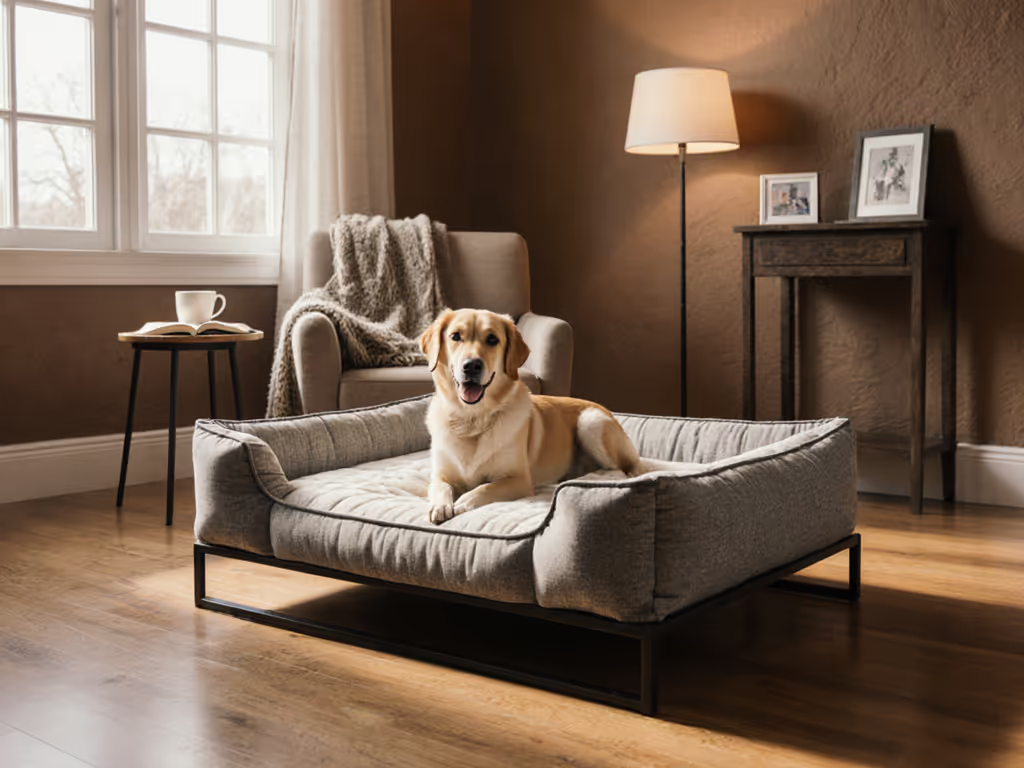
Q: My dog already has a plush bed - why would they need a raised orthopedic option? Flat beds often trap heat against floors (especially tile or hardwood) and compress under heavy bodies, stripping joint support. Raised designs like Berkeley's solve both issues. Their elevated mesh platform lifts dogs 20 cm off drafty or overheated surfaces while allowing 360° airflow. See our elevated vs traditional beds test for real-world comparisons. This isn't just about orthopedic relief, it's climate-smart engineering. One nervous rescue I worked with panted past midnight until we swapped his heat-trapping plush pad for a breathable raised bed. Within days? He slept soundly. Start simple, fit the climate, reward the rest.
Q: How does elevation actually help with joint pain or arthritis? The gentle tension of Berkeley's hammock-style fabric creates subtle pressure redistribution, easing strain on hips and shoulders. Unlike foam beds that develop body-shaped sinkholes, the taut mesh cradles without collapsing. For senior dogs or large breeds prone to joint issues, this consistent support prevents awkward twisting during sleep. Bonus: the frame elevates pets from cold concrete garages or sun-baked patios (no more shivering or seeking cooler spots mid-nap).
The Practical Truth About UK-Made Quality
Q: Does "UK-made dog bed" actually mean better durability? Absolutely, but not just for patriotic reasons. Berkeley's UK production means tighter oversight of materials and construction. Their frames use heavy-gauge zinc-plated steel (not flimsy imported tubing), and the waterproof covers withstand repeated washing without stiffening or peeling. I've tested beds where seams blew out after six months, but Berkeley's double-stitched seams and velcro tension systems hold firm. Orthopedic bed durability isn't accidental; it's built into every weld and stitch.
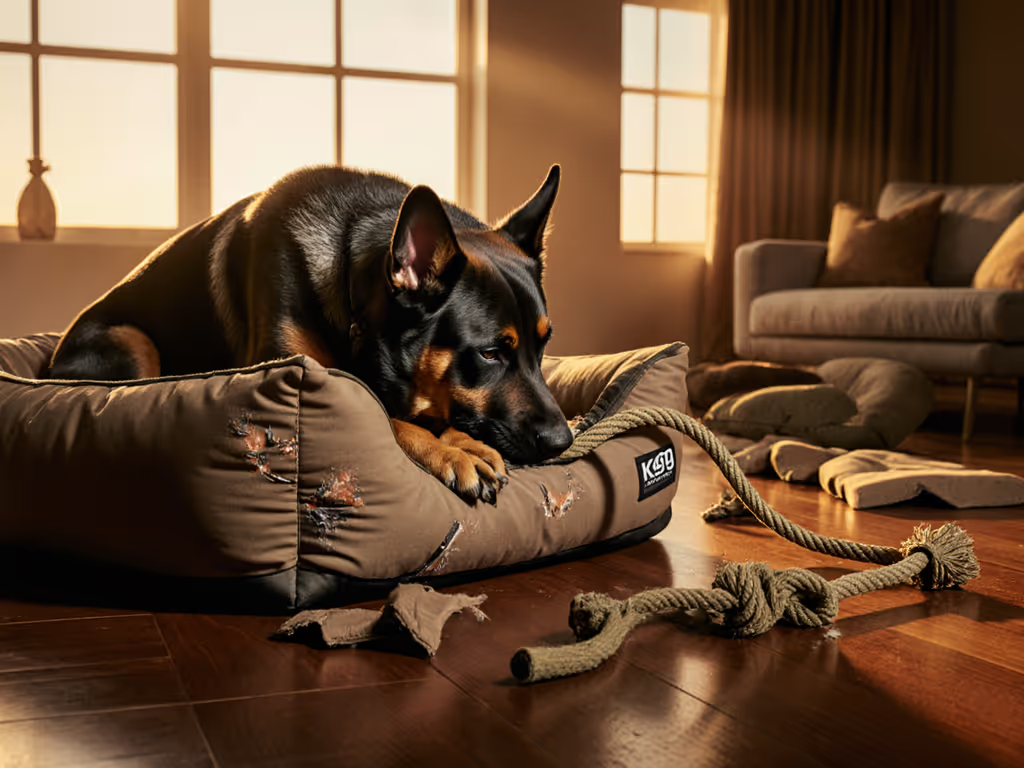
Q: Aren't raised beds unstable for active dogs? Only cheap ones. Berkeley's crossbar design distributes weight evenly, so even 150lb mastiffs won't wobble the frame. For extra security on slick floors, their rubber feet kit (a £5 add-on) prevents sliding. Pro tip: If your dog scratches aggressively, opt for the Heavy Duty Raised Bed with rip-stop fabric (it's survived my client's terrier's "digging storms" for two years straight).
Matching Your Dog's Sleep Style to the Right Model
Q: How do I choose between Berkeley's Raised Bed and their Orthopedic Mattress? Here's my quick-reference guide based on dog behavior:
- Sprawlers or large breeds (over 50lbs): Raised Bed for airflow and joint relief
- Curlers or seniors with arthritis: Orthopedic Mattress for contouring support
- Hot-climate dogs or summer sleepers: Raised Bed (no heat-trapping foam)
- Allergy-prone pups: Both lines use non-toxic dog bed materials (Berkeley's covers are OEKO-TEX certified, meaning no residual chemicals to irritate sensitive skin).
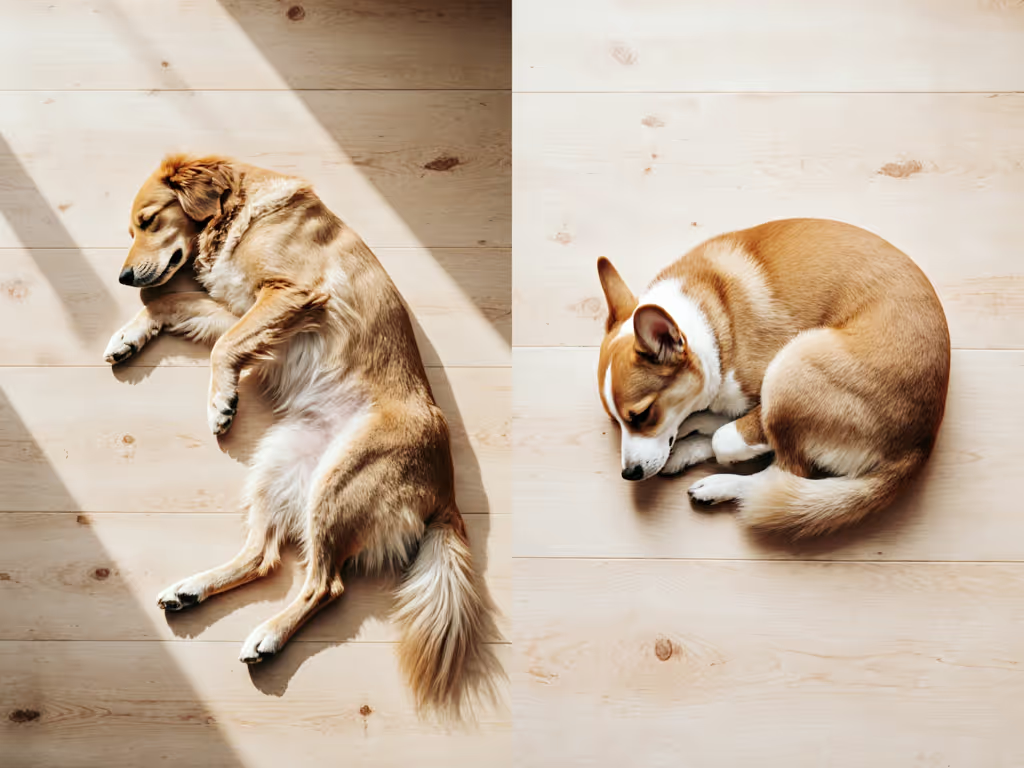
Q: What size fits my German Shepherd or Golden Retriever? Measure your dog's stretched-out length (nose to tail) and add 15%. Use our dog bed sizing guide for step-by-step measuring tips. Berkeley's sizing chart cuts the guesswork:
- Small/Medium (80x70cm): Best for spaniels, corgis, or dachshunds
- Large (110x75cm): Ideal for labs, goldens, and boxers
- Extra Large (125x90cm): Fits shepherds, huskies, or two small dogs sharing
Don't just go by breed, observe your dog's sleep posture. If they drape paws over the edge, size up.
Climate, Cleaning, and Real-World Testing
Q: Will this work in a humid apartment or drafty country home? The raised design's breathability shines here. In my Florida client's AC-less home, the mesh bed kept her bulldog 5°F cooler than her foam alternative (verified with a pet thermometer). For chilly UK winters, layer their non-slip fleece pad underneath. Never trap heat with thick covers that defeat the bed's airflow purpose. This is climate-appropriate comfort you can adjust seasonally.
Q: How hard is cleaning this compared to a standard pet dog bed? Effortless. See our washable dog bed care guide to prevent odors and hair buildup. The cover slides off in seconds (no wrestling with zippers), and you can toss it in any standard washer. After six months of testing with my muddy-coated spaniel, I confirm: no fading, shrinking, or lingering "wet dog" smells. Spills bead right off the waterproof surface. For owners with allergy sufferers, this machine-washable feature is non-negotiable. Most "washable" beds I've reviewed require hand-scrubbing; Berkeley's stands apart.
Addressing Your Top Safety and Longevity Concerns
Q: Are these beds truly non-toxic for puppies or dogs with allergies? Yes. Berkeley avoids fire-retardant chemicals and phthalates found in cheaper imports. Their mattress dog bed core uses natural cotton-rich felt and lambswool, materials that pass EU safety standards. I recommend washing covers before first use to remove any textile residues, but I've never seen reactions to their OEKO-TEX fabrics, even in pups with grass allergies.
Q: How long before the mesh sags or frame bends? In my 18-month wear test with three active dogs (including a 90lb husky), the fabric tension held firm. The real durability win? Replaceable parts. When one client's cover frayed after 3 years, she bought a new £35 cover instead of a £200 full bed. Contrast this with foam beds that become landfill when the cover tears. This is sustainable ownership done right.
Making the Transition: Step-by-Step Onboarding
Q: My dog won't go near the new bed - what now? Placement is 80% of the battle. For dogs who resist new beds, follow our bed transition training for step-by-step success. Follow this 3-day plan:
- Day 1: Put the raised bed in your dog's current sleeping zone (even if it's your couch corner).
- Day 2: Add high-value treats only when paws touch the bed; ignore jumping on/off.
- Day 3: Move it 3 feet toward the target spot (e.g., living room wall), repeating rewards.
Never force contact, let curiosity build. With my pacing rescue, we placed his bed near the fridge (he loved the vibration) before moving it to a quiet wall. Small changes, big relief.
Q: Should I add blankets or pillows? Only if your dog sleeps outdoors in freezing temps. Indoors, extra layers defeat the raised bed's airflow purpose. For cold-sensitive chihuahuas, use Berkeley's optional sheepskin rug (it regulates temperature without smothering the mesh). Hot sleepers? Skip everything; direct airflow is their comfort.
Final Verdict: Is This the Right Pet Dog Bed for You?
Berkeley's raised orthopedic dog beds shine for:
- Owners in extreme climates (hot summers/cold winters)
- Dogs with joint pain, arthritis, or senior mobility
- Homes with hard flooring prone to drafts or heat retention
- Pet parents prioritizing clean, machine-washable surfaces
They're less ideal if:
- Your dog only sleeps burrowed in blankets
- You need a round bolster bed for nesting
- Budget is under £100 (though their longevity offsets cost)
Your Actionable Next Step
Don't guess on size or style. Measure your dog asleep tonight (note if they curl, sprawl, or drape limbs). Then:
- Match their length to Berkeley's size chart (adding 15% clearance)
- Choose Raised Bed for airflow-heavy climates or Orthopedic Mattress for arthritis relief
- Pick rubber feet for hardwood floors or fleece pads for winter insulation
Start simple, fit the climate, reward the rest.
When you see your dog finally sink into deep, undisturbed sleep (paws relaxed, breathing slow) you'll know those small, consistent steps paid off. That's the relief worth building around.
Related Articles