
From Straw to Silk: Dog Bed Culture Through the Ages
By Mateo Álvarez • 10th Jan
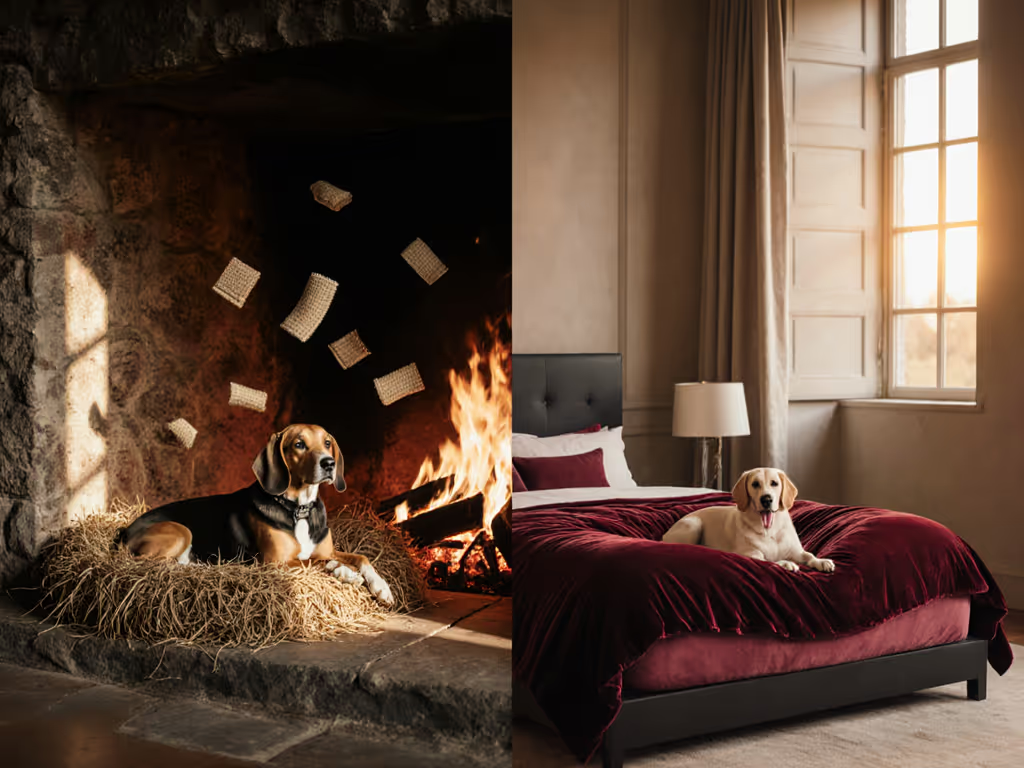
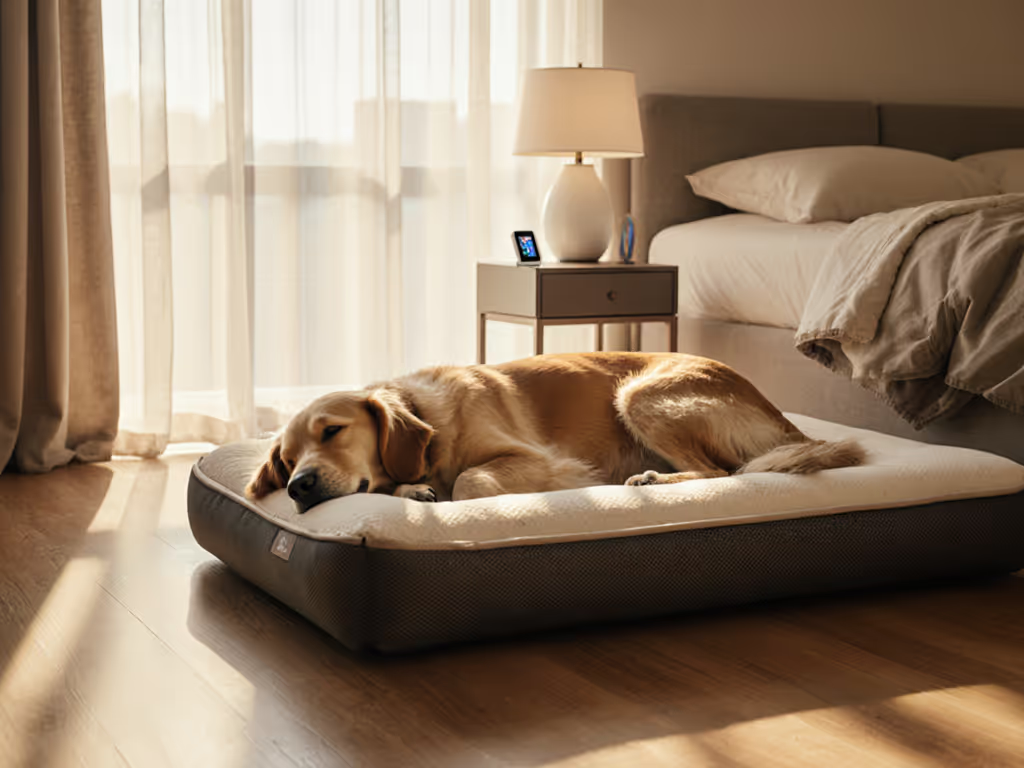
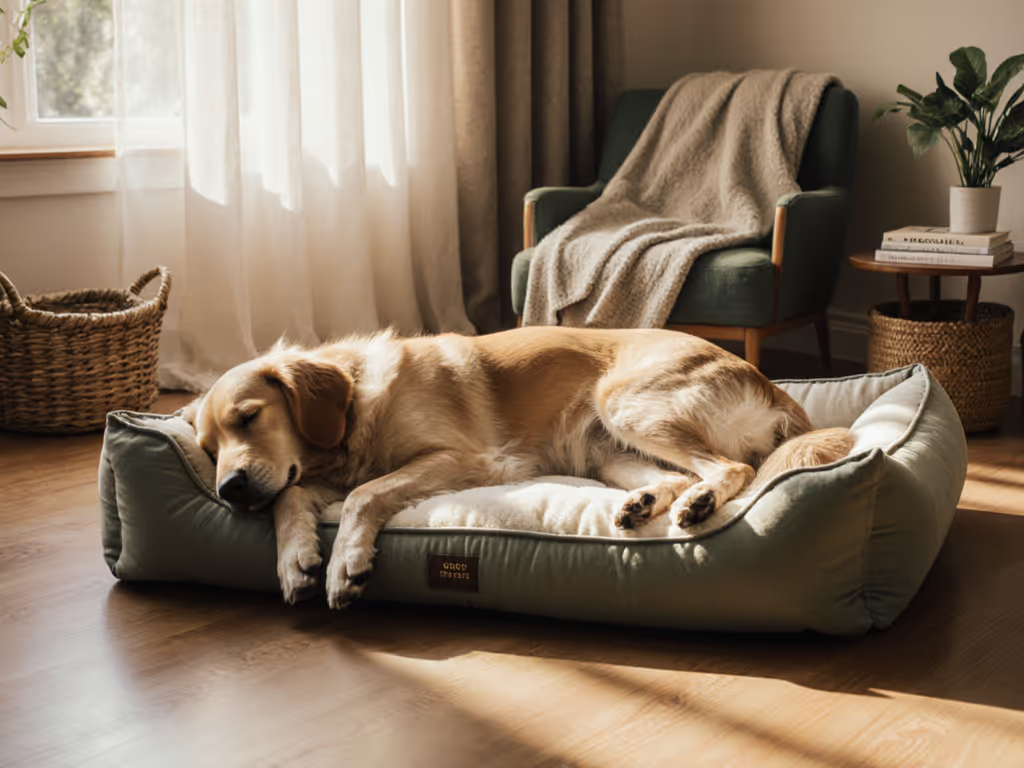
From humble bundles of straw to velvet-lined palace niches, the cultural significance of the dog bed reveals how deeply our relationship with canines has evolved. What started as basic shelter for working animals now reflects a profound pet human relationship evolution, where our four-legged companions are considered family members deserving of comfort, security, and style. This journey through time offers more than historical curiosity; it provides practical wisdom for today's pet parents seeking to create restful spaces that honor both dog needs and home harmony.
As I've guided countless dog owners through bed selection, I've seen how pairing thoughtful placement with climate-appropriate fabrics transforms restless nights into peaceful sleep. Small, consistent steps (like matching materials to your region's humidity) often solve most sleep struggles without expensive overhauls. For muggy regions, see our humid-climate dog bed guide to choose materials that resist mold and stay comfortable. Let's explore what history teaches us about creating spaces where dogs truly feel at home.
FAQ Deep Dive: Dog Bed History & Modern Insights
What did early dog resting spaces look like?
Long before "dog beds" existed as products, humans provided animals with basic shelter. Ancient Egyptian households placed straw or palm leaf bundles near family sleeping areas for sacred dogs, a practice confirmed by wall paintings and burial sites. In Roman estates, guard dogs received simple stone or wood enclosures that doubled as weather protection. These weren't "beds" as we know them, but represented the first intentional effort to provide canine comfort separate from human sleeping quarters.
Small changes in sleeping arrangements often yield the biggest relief for anxious dogs.
How did luxury enter dog bed design?
The 18th century marked a turning point when toy dogs became status symbols among European aristocracy. Marie Antoinette's lapdogs slept in a gilded beech bed upholstered in light blue velvet, now displayed at the Metropolitan Museum of Art. French nobles commissioned "chenils" (early luxury dog bed designs) with detachable domed tops and silk-lined interiors. These weren't just functional but made bold social statements: owning a dog worthy of such opulence signaled wealth and refinement.
British homes soon followed, with satirical novels like The Invisible Spy (1755) noting servants punished for improperly making "pug's beds." This pet furniture cultural history reveals how deeply dogs were integrated into domestic life, no longer just working animals but emotional companions deserving dedicated spaces.
What societal shifts drove modern dog bed evolution?
The Industrial Revolution transformed dog beds from handcrafted novelties into accessible household items. Ellen E. Low's 1876 patent for a raised platform design marked the first commercially produced bed, prioritizing comfort over mere status. As Victorian-era "pets" became accepted concepts in middle-class homes, demand grew for practical yet attractive options.
Post-WWII suburbanization further changed needs: families wanted washable fabrics, non-slip bases, and sizes fitting modern living rooms. To keep fabrics fresh and odor-free, follow our washable dog bed care guide. Today's canine comfort evolution reflects our recognition that dogs aren't just pets but family members requiring spaces that support their physical and emotional well-being, especially as we spend more time observing their sleep patterns.
How does historical context help solve today's dog bed challenges?
Many modern frustrations stem from mismatched expectations. A 1700s French aristocrat wouldn't recognize today's pain points around "sizing confusion" or "overheating fabrics." Yet history shows us the constant: dogs need security first, luxury second. When a rescue I worked with paced and panted past midnight, we didn't buy an expensive new bed; we moved his from a busy doorway to a quiet wall corner, swapped a heat-trapping pad for breathable cotton, and added a consistent "place" cue. A fan's low hum later, he slept through. Start simple, fit the climate, reward the rest.
What timeless principles guide today's ideal dog bed?
Three historical lessons remain essential:
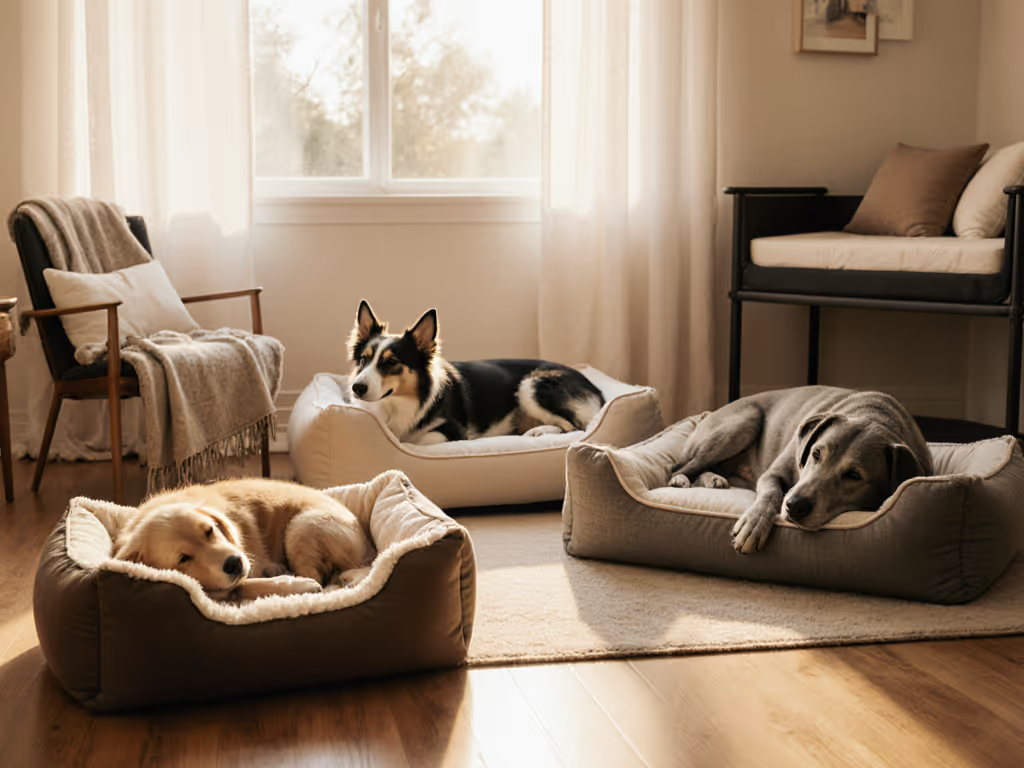
- Purpose over prestige: Choose materials based on your dog's sleep style (curler, sprawler) and climate, not color trends
- Location matters: Place beds where dogs feel safe (not high-traffic areas), just as 18th-century French beds sat near mistresses' chairs
- Simplicity wins: Avoid over-engineered designs; breathable fabrics and stable placement solve most issues
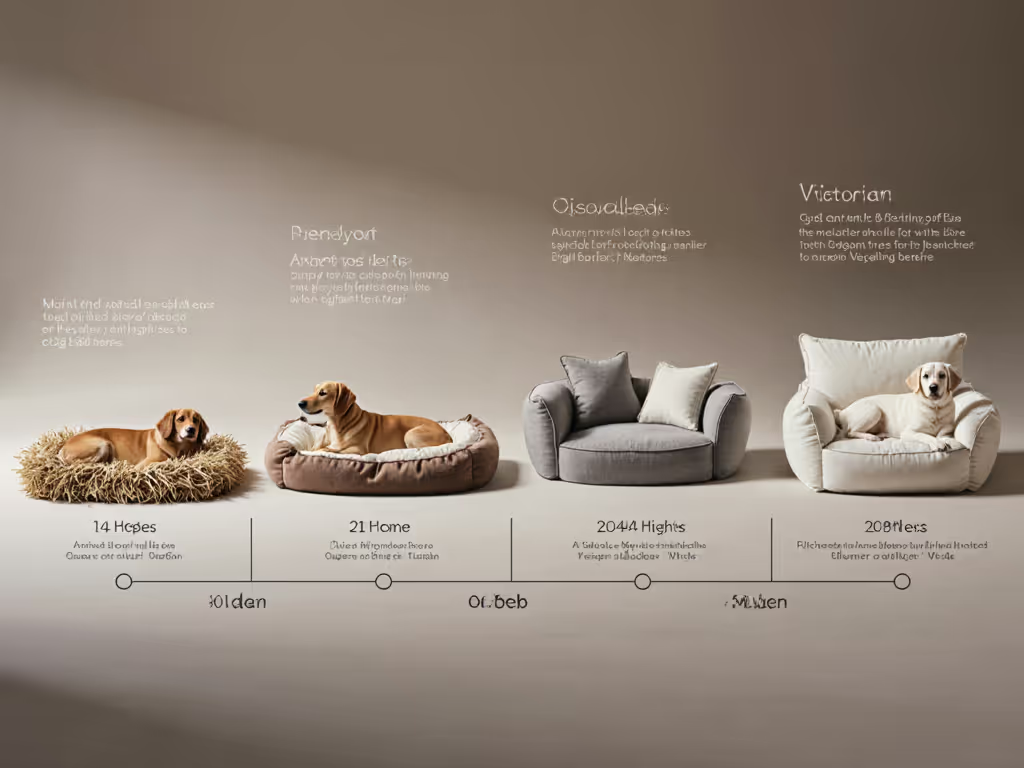
Making History Work for Your Home
Modern dog parents face unique challenges: balancing orthopedic needs with home aesthetics, ensuring washability without compromising support. But the solution lies in the same principle that guided ancient Egyptians and French aristocrats alike, understanding your dog's emotional connection to their resting space.
A Step-by-Step Approach for Lasting Success
Follow this 7-day checklist to create a restful zone your dog actually uses:
- Day 1: Observe your dog's natural sleeping style (curler? sprawler?)
- Day 2: Note temperature preferences (do they seek tile floors or radiators?)
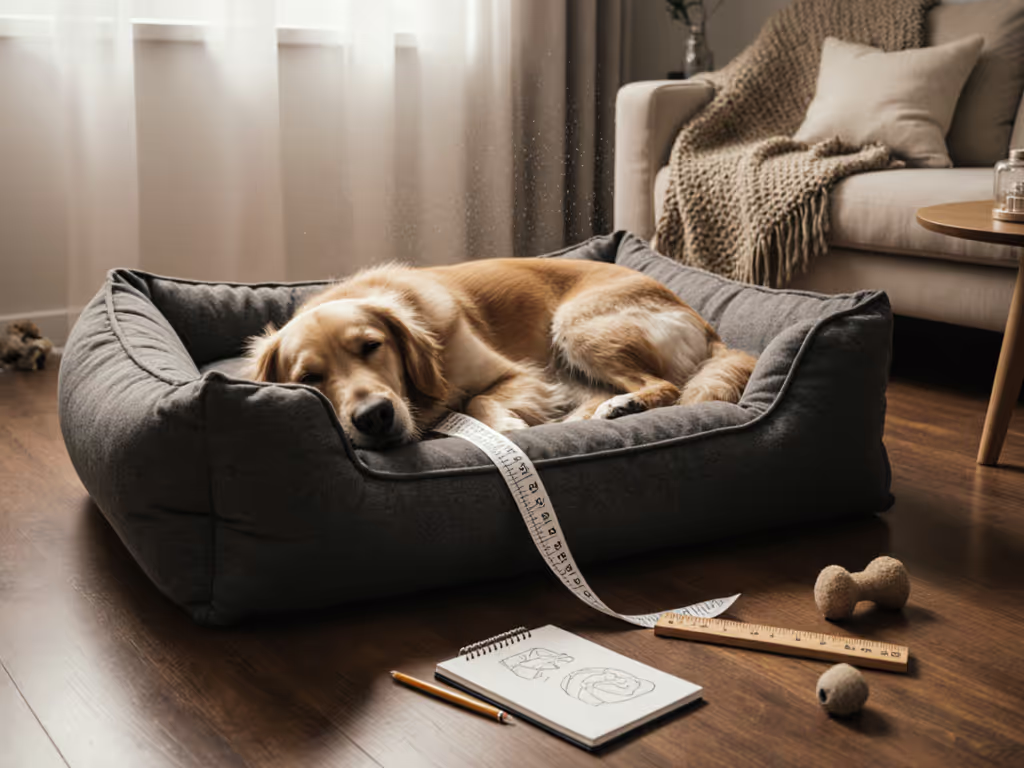
- Day 3: Measure your space considering traffic flow and security (avoid doorways!)
- Day 4: Choose breathable, washable materials suited to your climate
- Day 5: Place bed in a quiet corner with wall backing for security
- Day 6: Introduce with a consistent verbal cue like "place"
- Day 7: Reward calmly when they choose the bed, no forced interactions
This method mirrors our historical progression from basic shelter to thoughtful design, but focuses on what truly matters: your dog's comfort. Reward the rest by celebrating small wins, like your pup settling for five extra minutes each night.
Your Next Step Toward Peaceful Nights
Your dog's bed tells a story, not just of your home's style, but of the deep bond you share. History shows us that while materials and designs evolve, the core need remains unchanged: a safe, comfortable space that says "you belong here."
Start tonight with one small change:
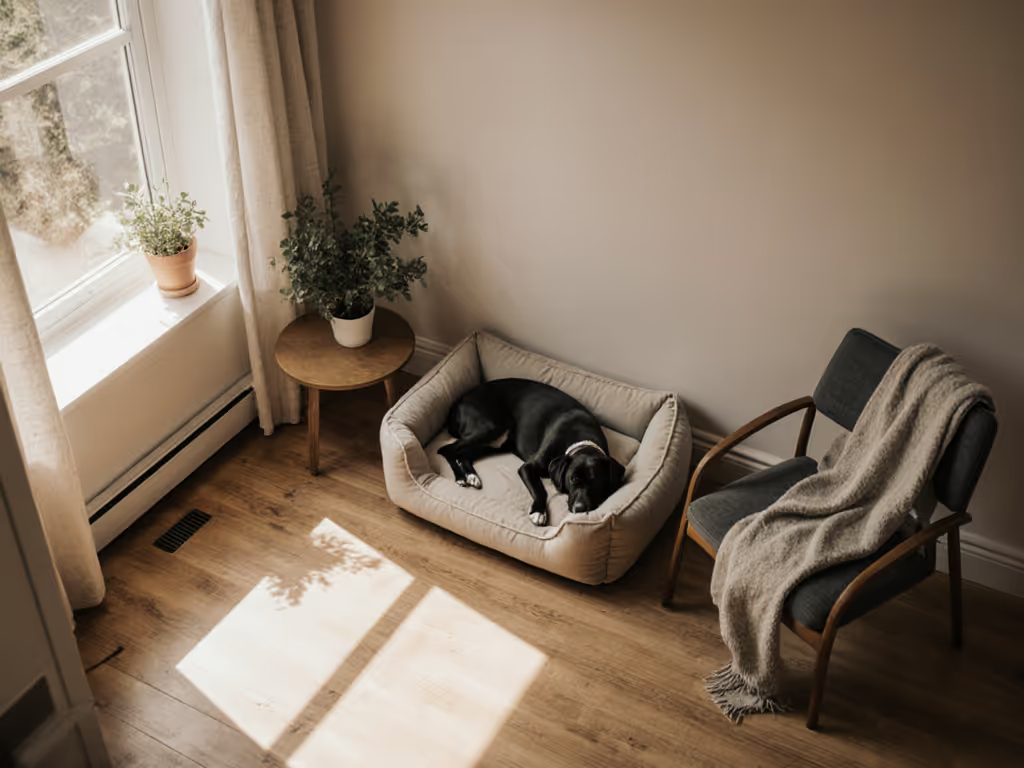
Move your dog's bed away from high-traffic areas and add a breathable cotton layer if they overheat. For room-by-room tips, see our bed placement guide.
This simple adjustment, rooted in centuries of understanding canine needs, often makes the biggest difference. Notice how your dog responds over three nights. Did they settle faster? Sleep more deeply? These subtle shifts are your guide to what works for your unique companion.
The journey from ancient straw bundles to modern ergonomic designs reminds us that dog beds aren't just furniture; they're emotional anchors. By honoring both history and your dog's individual needs, you'll create a restful haven where small changes bring big relief. And when you see that peaceful sleeping posture, you'll know you've built something timeless: a space where your dog feels truly at home.
Related Articles