
Epilepsy Dog Beds: Choosing Safety During Seizures
By Mateo Álvarez • 15th Feb

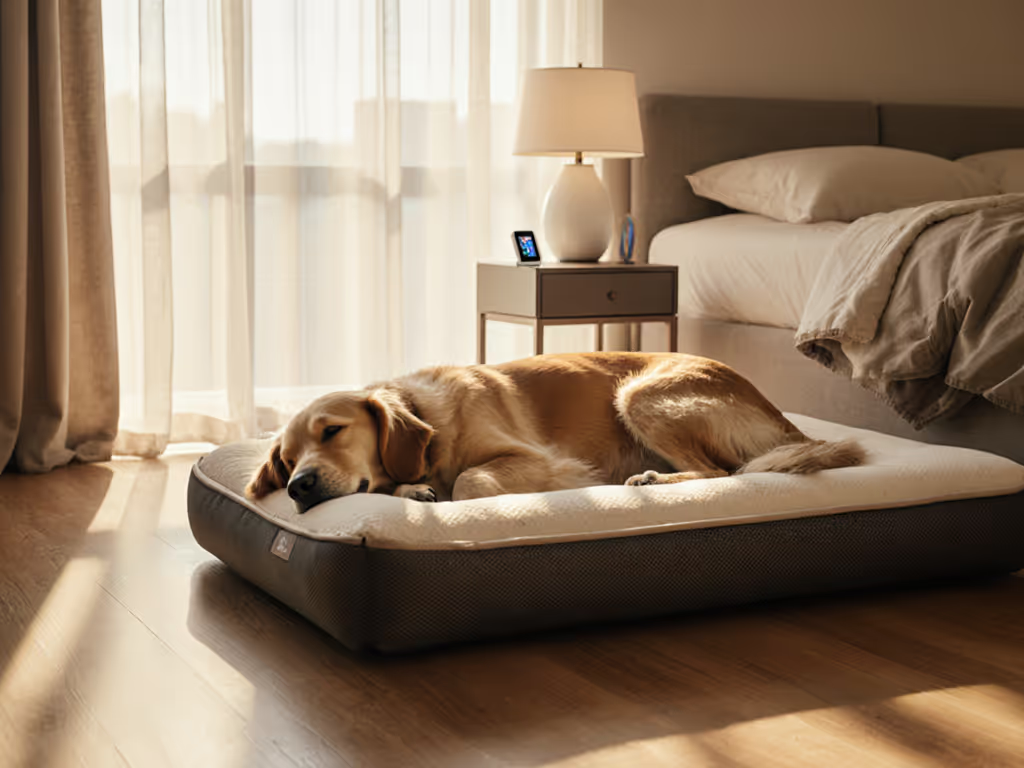
An epilepsy dog bed is far more than just a comfortable place to rest. It is a protective sanctuary designed specifically for dogs navigating seizure episodes. When your dog has epilepsy, the right seizure-safe dog bed becomes an essential part of their care plan, combining thoughtful design with materials that support both safety and comfort during vulnerable moments. For chemical safety and hidden hazard checks, see our non-toxic dog bed safety guide.
If you're here because your dog has been diagnosed with epilepsy, you're likely feeling the weight of wanting to do everything right. Let me walk you through the questions that matter most, with straightforward answers and a step-by-step approach to finding a bed that truly works.
What Makes a Dog Bed Safe for Seizures?
Q: What are the key safety features I should look for?
A bed designed for a dog with epilepsy should prioritize injury prevention during involuntary muscle contractions and disorientation. Look for these non-negotiables:
- Smooth, padded interior surfaces with no sharp edges, hard corners, or rough textures that could cause cuts or abrasions
- Heavy-duty, durable construction that won't collapse or shift during seizure activity
- Firm, consistent padding (ideally 2-4 inches thick) that stays even and supportive without compressing unevenly
- Secure, quick-access design so you can reach your dog quickly if emergency care is needed
- Proper ventilation and airflow to support easy breathing, especially important during recovery when dogs may be disoriented or stressed
Avoid crates or beds with wire mesh that can trap limbs, flimsy materials prone to bending, or locking systems that slow your response time. The goal is to remove variables that could turn a medical event into an injury.
How Does Placement and Environment Matter?
Q: Does where I put the bed actually affect my dog's safety during seizures?
Absolutely. I once worked with a nervous rescue who paced and panted through the night, and we discovered his bed placement was part of the problem. Positioned near the front door, it meant every sound triggered alertness. When we moved it to a quiet wall corner and added a low fan for white noise and gentle airflow, paired with a simple 'place' cue during calm moments, his whole sleep pattern shifted. Within days, he was actually resting. For layout tips that boost calm and compliance, read our optimal dog bed placement guide.
For a dog with epilepsy, placement is equally critical:
- Choose a quiet, low-traffic corner away from doors, high-activity zones, and household chaos
- Avoid stairs or elevated surfaces where a seizure could cause dangerous falls
- Keep the bed away from sharp furniture, glass doors, or hard surfaces that pose collision risks
- Ensure clear sightlines so you can monitor your dog easily from nearby rooms
- Use a non-slip base to prevent the bed from sliding across hardwood or tile during thrashing movements
- Add gentle ambient sound (a fan, white noise machine) to mask startling household sounds that might trigger stress
Start simple, fit the climate, reward the rest, and location is part of that foundation.
What Bedding Materials Are Best for Seizure Dogs?
Q: Which fabrics and filling should I prioritize for my epilepsy dog bed?
Your choice of materials directly impacts both safety and practicality: If accidents are a concern, compare our waterproof dog beds for liners and fabrics that truly prevent soak-through.
Fabric & Cover:
- Machine-washable covers you can remove and clean frequently
- Waterproof or water-resistant liners (essential for post-seizure incontinence)
- Durable, non-pilling fabrics that won't shred or fray with repeated washing
- Breathable textiles that won't trap heat (overheating can trigger seizures in some dogs)
Filling & Padding:
- Firm, orthopedic-grade foam that maintains its shape; avoid loose, shifty fill
- Antimicrobial foam that resists odor and mold after cleaning
- Consistent 2-4 inch thickness across the entire bed
- No loose blankets, pillows, or toys inside the bed, these pose choking or breathing hazards during episodes
What to Avoid:
- Heat-trapping memory foam or plush materials that can cause overheating
- Loose, removable inserts that shift during movement
- Fragrance-heavy or chemically treated fabrics
- Materials that require dry cleaning or specialty care
The right materials support easy monitoring, quick cleaning after an incident, and consistent comfort. That's the real payoff.
How Do I Know the Right Size?
Q: How much space should my dog have in a seizure-safe bed?
Sizing is a balance. Too small, and your dog can't move without hitting edges. Too large, and excessive thrashing increases injury risk. Crate users should also see our crate bed sizing guide to avoid gaps and unsafe overhangs.
Follow this checklist:
- Measure your dog from nose to tail tip when fully stretched, then add 6-12 inches
- Note your dog's sleep style (curler, sprawler, burrower, side-sleeper) and choose a bed shape that matches, curlers don't need sprawl room
- If using a crate, measure the interior and choose a bed that fits snugly without forcing your dog into an awkward position
- For corner placement, ensure the bed doesn't block your sightlines or create a trap where your dog could be cornered during disorientation
- Test the fit: your dog should lie flat with room to shift position, but not have space to flail wildly
When in doubt, measure twice and choose the smaller option. You can always add extra padding; you can't shrink a bed that's too large.
What's the Difference Between a Standard Dog Bed and One for Seizure Safety?
Q: Can't I just use any high-quality dog bed?
Not quite. Standard dog beds prioritize comfort; dog bed safety for seizures requires a different engineering mindset.
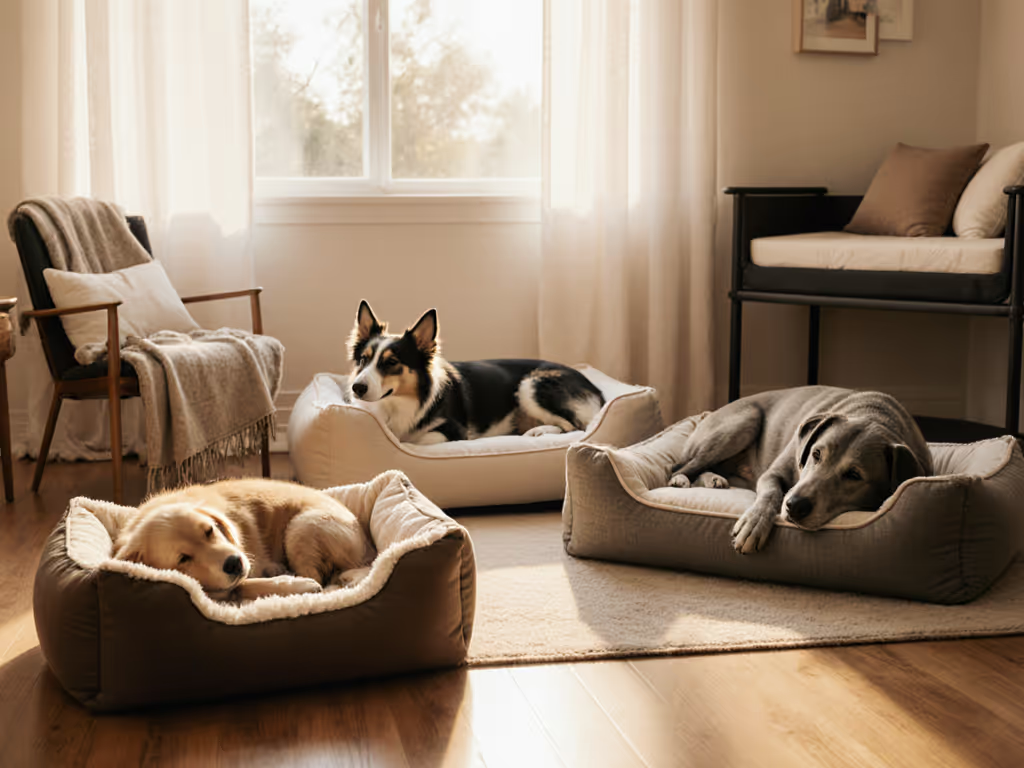
A regular bed might have decorative piping, ornamental bolsters, hard zippers, or chunky patterns that are charming for daily life, but potentially hazardous during a seizure. A cushioned dog bed for epilepsy strips away those features in favor of:
- Seamless, padded edges throughout
- Interior surfaces free of hard plastic, metal rivets, or embellishments
- Quick-release closures if a crate design is used
- Consistent firmness that won't compress under thrashing and create an uneven surface
- Materials chosen for washability and durability under high-frequency cleaning
The difference is subtle but real. It's the difference between "comfortable" and "safe."
What Should I Do After a Seizure?
Q: How does the bed help during the recovery phase?
Post-seizure recovery is when a thoughtful bed setup pays dividends. After a seizure, dogs are often confused, disoriented, and anxious. They may:
- Stumble or wander into unsafe areas
- Experience temporary incontinence
- Feel afraid and seek a safe space
- Rest for hours as their nervous system resets
A recovery dog bed after seizure should:
- Provide immediate comfort and a familiar, calm space
- Have a waterproof layer to handle incontinence without damage
- Stay clean and ready for frequent washing
- Be positioned where you can monitor without your dog feeling trapped
- Support extended rest periods without developing pressure sores on senior or sensitive dogs
The bed becomes a refuge during the hardest moments, a place where your dog can recover while you stay nearby. To keep that refuge hygienic between episodes, follow our washable dog bed care guide.
How Do I Create a Monitoring Routine?
Q: What's a practical step-by-step approach to using the bed safely?
Here's a simple checklist to build confidence:
- Before an episode: Keep the bed clear of toys, blankets, and hazards. Position yourself nearby during high-risk times (dawn, dusk, stress).
- During a seizure: Stay calm, monitor breathing, note the duration (most last 30-90 seconds). Don't restrain your dog; let seizure activity happen safely in the padded space.
- Immediately after: Check for injuries, offer water once your dog is alert, and let them rest without moving the bed or fussing.
- Within hours: Strip the bed, wash the cover and any soiled bedding, and inspect for damage or wear.
- Long-term: Keep detailed notes of seizure patterns, bed condition, and any adjustments that improve comfort or safety.
Small steps, big sleep wins, and knowing your dog has a reliable, prepared space removes so much of the anxiety from living with epilepsy.
What's My Next Move?
Q: How do I choose and set up the right bed?
Start by gathering three key pieces of information: your dog's exact measurements, your home's layout (where the safest spot is), and your climate (cooling needs in summer, warmth in winter).
Next, audit the bed you're considering for the safety features listed above. Don't settle for aesthetics alone, test the firmness, check the seams, and confirm the cover is removable and machine-washable.
Once your bed arrives, place it in your chosen spot and introduce it slowly with positive associations: treats, calm time, your presence nearby. Use a simple verbal cue like "place" to help your dog recognize it as a safe zone, not a containment tool.
Finally, keep a small log of how your dog rests, whether seizure frequency or intensity shifts, and how the bed holds up over time. This data becomes invaluable if you ever need to adjust your approach.
Your dog's safety during seizures depends on the details you choose today. By prioritizing a bed designed specifically for epilepsy (one that's firm, washable, smooth, and well-placed), you're not just buying furniture. You're building peace of mind, and giving your dog a sanctuary where they can rest and recover with dignity.
Related Articles