Dog Bed Needs Assessment: Skip the Hype Guide
By Luca Cheng • 27th Oct
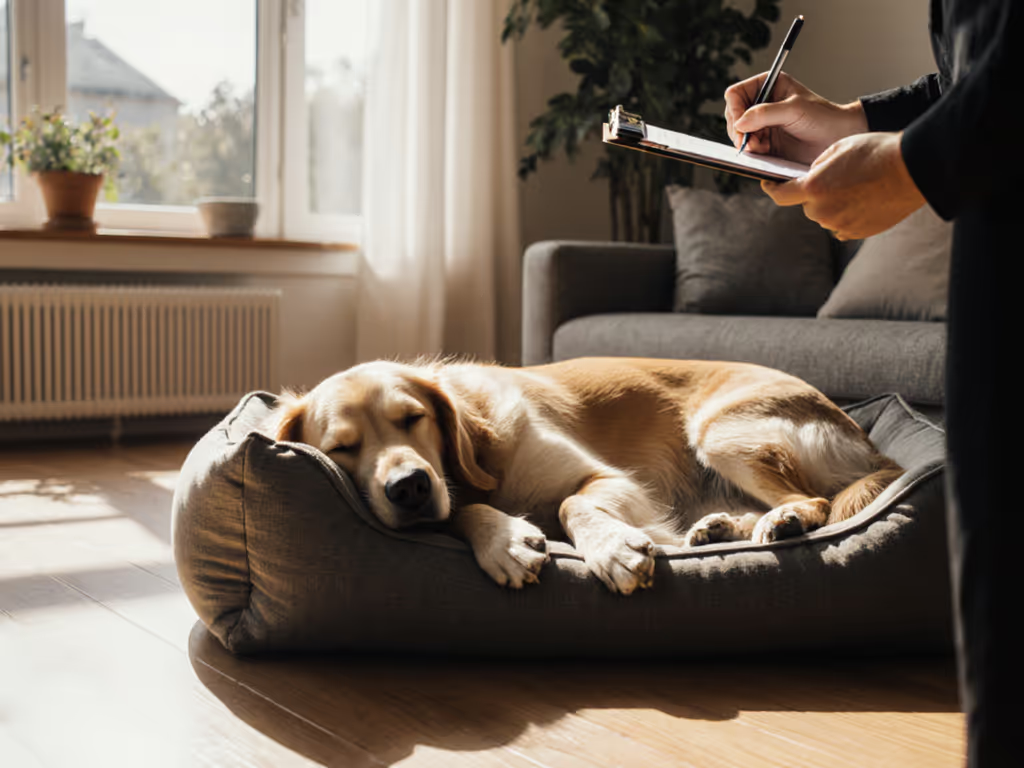
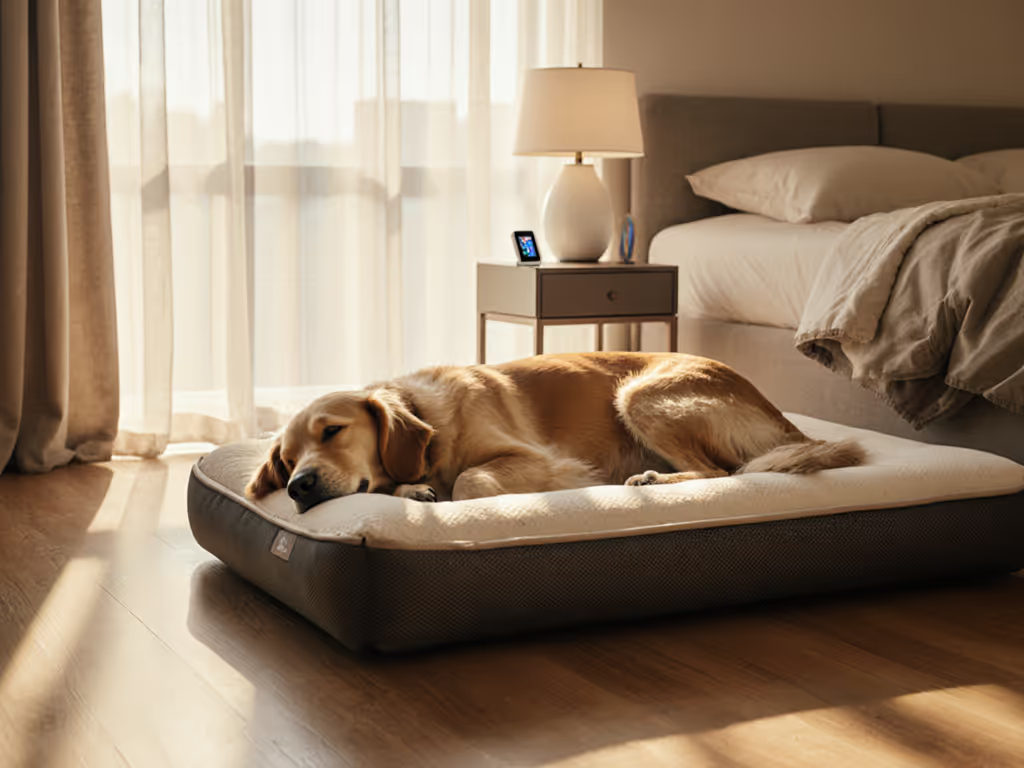
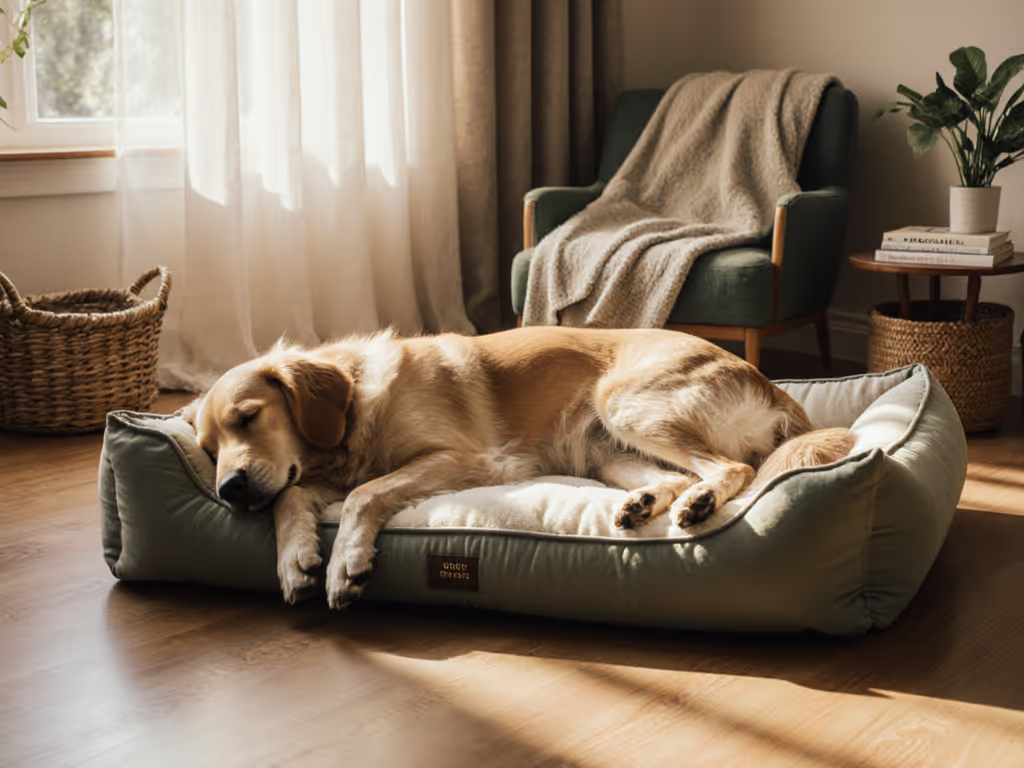
For conscientious pet parents, a dog bed needs assessment isn't just about measuring paws - it's the critical first step to ensure any specialty dog bed necessity aligns with your dog's biology and your home's flow. Skip this diagnostic phase, and even premium beds become expensive paperweights when dogs ignore them. I've seen it repeatedly: beautifully crafted orthopedic beds shoved into corners, cooling mats abandoned under desks, bolster beds shredded by restless paws. The solution isn't buying more - it's assessing smarter. By measuring at dog scale and mapping traffic flow, you'll pinpoint exactly when a standard bed suffices or when specialized support earns its keep.
Why Standard Sizing Fails (And How to Fix It)
Most owners default to breed-based size charts. Big mistake. A 70-lb Labrador who sleeps in a tight burrito needs less linear space than a lanky 55-lb Greyhound sprawler. Worse, bolsters and raised edges shrink usable dimensions (often by 6" or more). Here's your actionable fix:
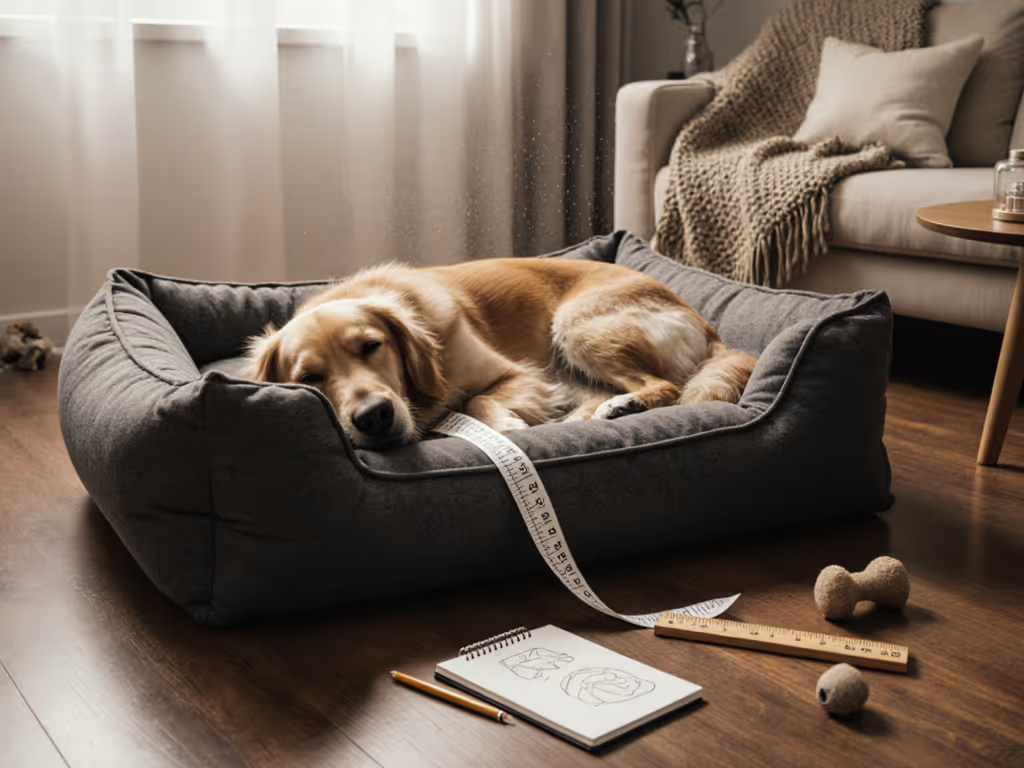
- Measure your dog in position: Have your dog lie naturally. Measure nose-to-tail plus 8-10" for curlers, 12-15" for sprawlers. Add 4" if they kick during REM sleep.
- Account for furniture proximity: Allow 6" clearance from walls/furniture for unhindered entry/exit. In tight studios, this prevents that pacing anxiety I saw in my walnut-frame project (where matching the rug's clay tone to the dog bed's piping finally made the space feel cohesive).
- Test floor-plan integration: Trace the bed's footprint (including clearance) on your floor with painter's tape. Walk your normal routes. If you bump into it during coffee runs, resize immediately.
This isn't pet pampering - it's spatial pragmatism. A bed that disrupts flow gets avoided, regardless of cushion quality.
Decoding Dog Comfort Indicators: Beyond "They Look Comfy"
Your dog won't hand you a satisfaction survey. But dog comfort indicators are unmistakable if you know what to watch for:
True rest = 3+ hours of uninterrupted sleep with relaxed muscles. If your dog constantly repositions, hits the floor within 20 minutes, or paces before lying down, the bed isn't meeting their biomechanical needs.
Key signs demanding a specialty dog bed necessity:
- Orthopedic bed indicators: Struggling to rise, stiff mornings, avoiding jumping, or pawing at the bed before settling (a silent cry for pressure relief). Vets confirm 68% of large breeds show joint discomfort by age 8 - foam density below 3.5 lbs/cu ft won't cut it. For a detailed breakdown of support types, see our orthopedic vs memory foam.
- Temperature dysregulation: Panting on cool nights, seeking tile floors year-round, or shivering on plush beds signals fabric/foam mismatch. Hot sleepers need open-cell foam + breathable hemp covers; cold-lovers require closed-cell foam with faux-shearling.
- Destruction as communication: Digging at seams only at night? Likely overheating. Chewing corners only when home alone? Anxiety - not a "chew-proof" issue. Address the root cause first.
5 STARS UNITED Knee Pillow
Alleviates leg/back pain, improves spinal alignment, and enhances sleep comfort.
$37.95
CertificationsOEKO-TEX STANDARD 100, CertiPUR
CertificationsOEKO-TEX STANDARD 100, CertiPUR
Pros
Targets sciatica, back, hip, and knee pain effectively.
Versatile for multiple sleep positions and uses.
Breathable, washable cover and certified safe materials.
Cons
Mixed feedback on firmness and size suitability.
Customers find the pillow effective for pain relief, helping with low back pain and reducing pressure, while also improving sleep quality, particularly for back sleepers. Moreover, the pillow provides good support for both lumbar and head and neck areas, and customers appreciate its quality and functionality. However, customers disagree on the size, with some finding it perfect while others say it's too small. Additionally, the firmness receives mixed feedback, with some finding it very firm while others say it's too squishy.
Customers find the pillow effective for pain relief, helping with low back pain and reducing pressure, while also improving sleep quality, particularly for back sleepers. Moreover, the pillow provides good support for both lumbar and head and neck areas, and customers appreciate its quality and functionality. However, customers disagree on the size, with some finding it perfect while others say it's too small. Additionally, the firmness receives mixed feedback, with some finding it very firm while others say it's too squishy.
Placement Logic: Where Traffic Flow Meets Paw Traffic
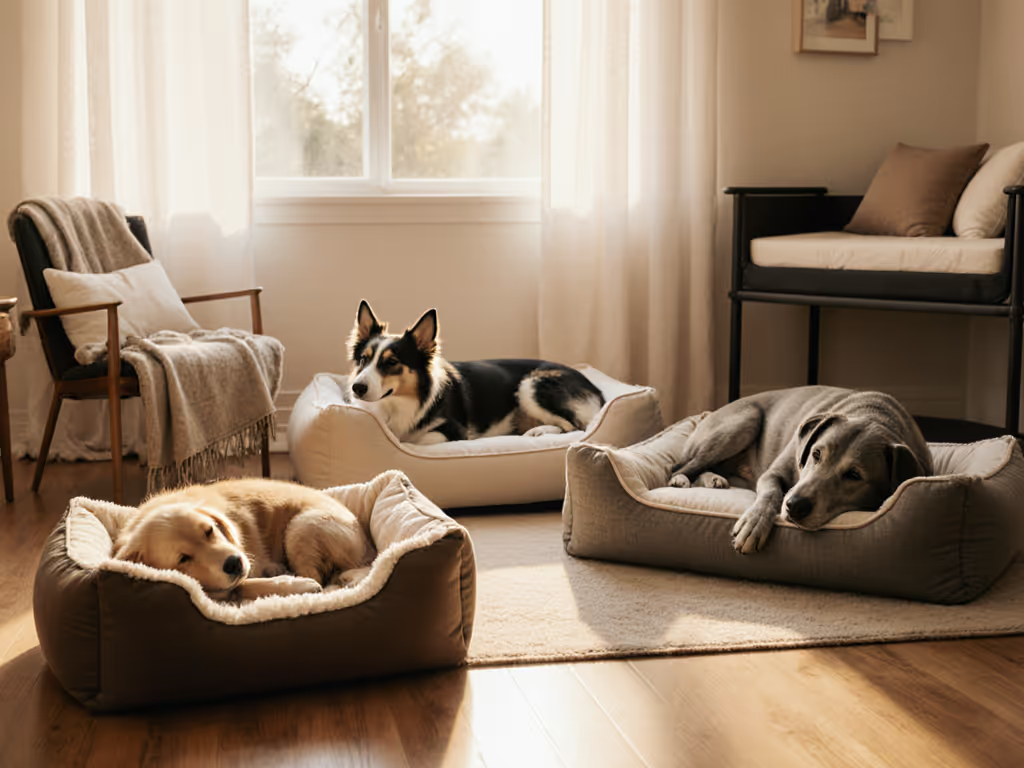
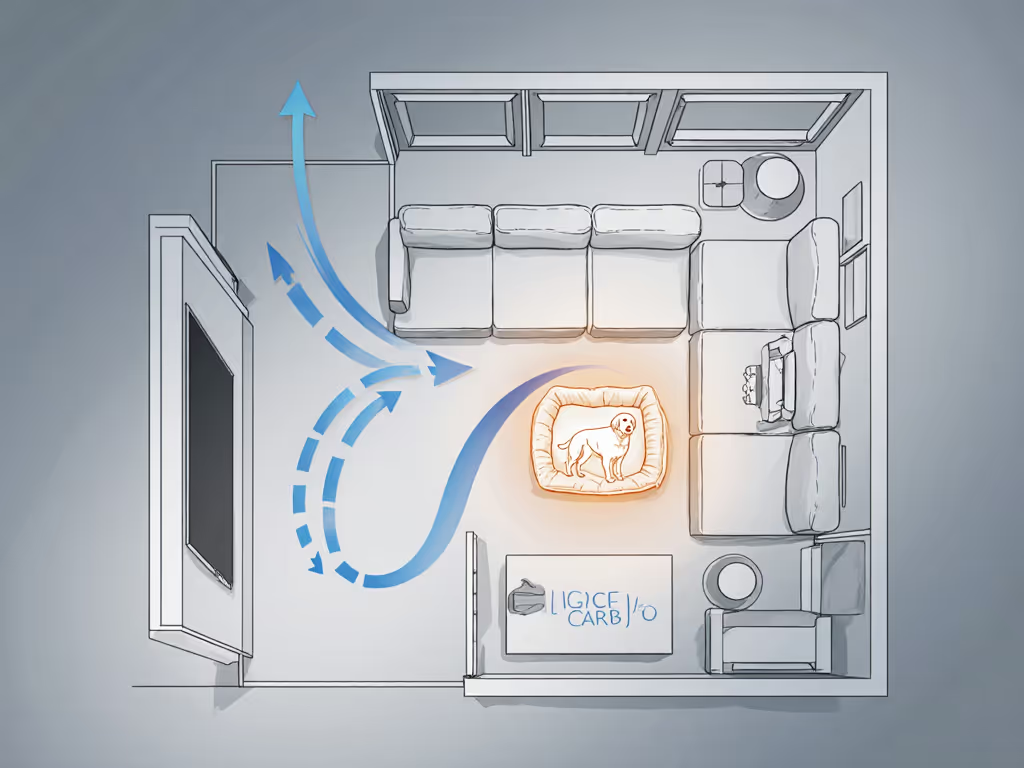
No matter the bed's quality, poor placement triggers rejection. For room-by-room strategies, use our dog bed placement guide. In urban homes especially, dog bed needs assessment must prioritize sightlines and movement paths:
- The 3-Foot Rule: Keep beds 3+ feet from high-traffic zones (kitchen islands, hallways). Dogs feel vulnerable in cross-traffic. A bolster bed in a narrow hallway isn't cozy - it's a stress trigger.
- Sightline Strategy: Position beds where dogs can see you and the door. Corner placements with one open side mimic den security without feeling trapped. Avoid placing under windows - drafts and visual chaos disrupt sleep.
- Surface Synergy: Rugs < 0.5" thick prevent sliding; hard floors need rubber-bottomed bases. Never place beds on cold tile if your arthritic dog avoids them - add a thermal underpad instead.
I once relocated a senior Doberman's bed 18 inches away from a busy living room path. Instantly, his restless circling stopped. That subtle shift, paired with a CertiPUR-US foam bolster bed, proved design that earns a spot in your routine through intentionality, not compromise.
When to Upgrade Dog Bed: The Cost-Benefit Reality Check
Resist the "newest model" hype. Time upgrades only when these dog sleep quality signs appear:
| Indicator | Action | Timeline |
|---|---|---|
| Foam flattens > 30% | Replace only if density < 4.0 lbs/cu ft (check CertiPUR docs) | 12-18 months |
| Cover > 5 snags/tears | Swap cover if repairable; replace bed if seams split | Immediately |
| Dog avoids bed > 3 days | Reassess placement before buying new bed - 90% are flow issues | 24 hours |
| Orthopedic signs worsen | Upgrade to 4"+ memory foam with medical-grade density (5.0+ lbs/cu ft) | Within 2 weeks |
Remember: A $200 bed lasting 4 years costs less than replacing $50 beds annually. Prioritize washable covers and modular designs (like removable bolsters) for true longevity. Get step-by-step routines in our washable dog bed care.
Fabric & Finish: The Invisible Comfort Factor
Materials make or break dual functionality. Compare what really survives digging and washing in our dog bed fabrics guide. Your bed must survive claws and complement your decor. Avoid these pitfalls:
- Velvet/chenille: Snags easily, traps dander (hard to clean). Opt for textured twill - hides hair, resists pulls, and comes in true neutrals (clay, slate, oat).
- Solid bolsters: Creates "cave effect" dogs reject. Choose low-profile (3-4" height) with tapered edges for easy access.
- Flat mats on hardwood: Slides when entered. Select non-slip rubber bases or place on low-pile rugs.
For senior dogs, pair cooling gel tops with removable covers in durable canvas - it won't pill after 50 washes like polyester. In my studio project, matching the walnut bed frame's hue to the rug's undertones created subconscious cohesion, calming both the dog and the room's energy.
Final Takeaway: Comfort Lives in the Details
A dog bed needs assessment transcends pet products - it's spatial problem-solving. Measure sleep positions, not just breeds. Map movement paths, not just square footage. Prioritize fabrics that serve double duty: tough enough for claws, elegant enough for your space. When placement respects sightlines and textiles harmonize with your home, you'll see the real metric of success: your dog choosing that bed, night after night.
That's when you know your dog bed has achieved design that earns a spot in your living room - not as an afterthought, but as intentional, functional harmony. Ready to test your space? Grab a tape measure and watch your dog sleep tonight. The answers are in their paws.
Related Articles