Decode Your Dog's Sleep Position: Pick the Perfect Bed
By Luca Cheng • 12th Apr
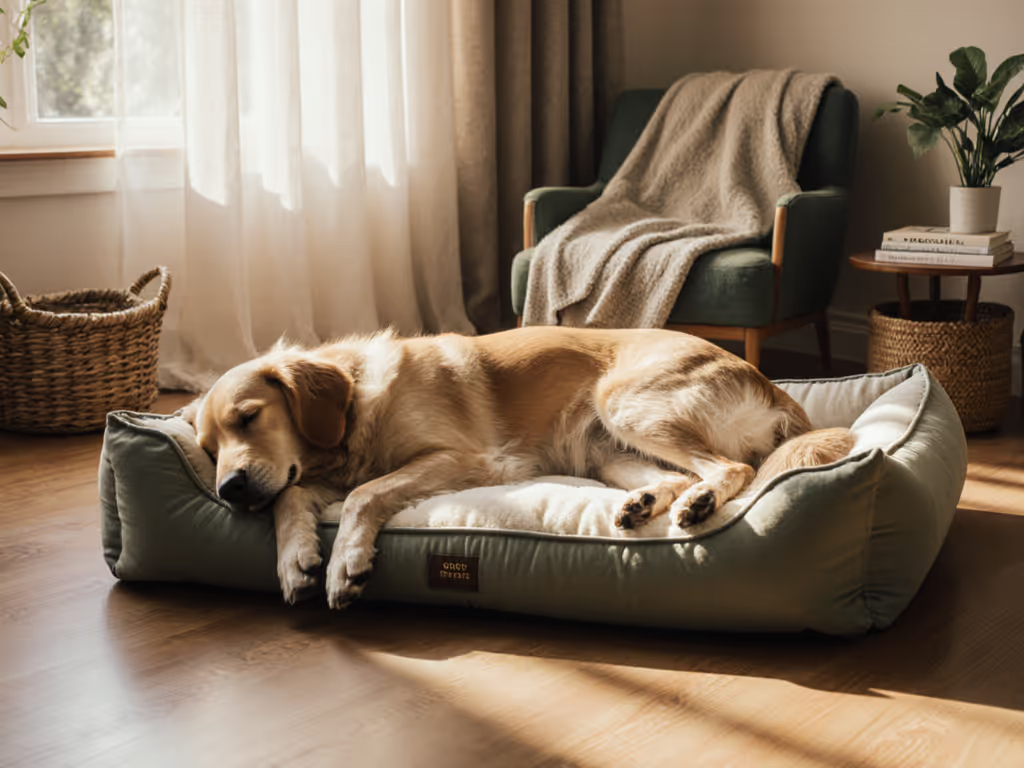
Your dog's sleep position reveals as much about their comfort as it does about your home. That curled-up posture might look cozy, but it could signal that your pup feels insecure, or that the bed you chose simply doesn't match how they actually rest. Understanding dog sleeping habits and their connection to bed design is the difference between a purchase that gathers dust and one your dog returns to all day, every day.
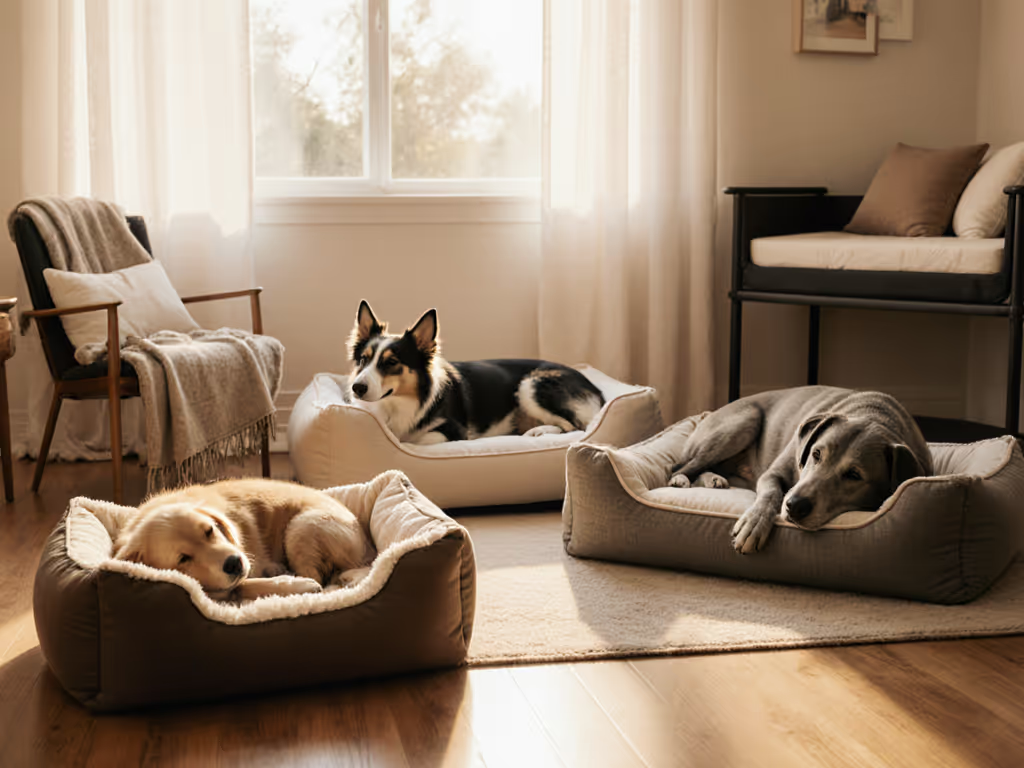
I learned this the hard way. In a 500-square-foot studio, I watched a client's dog pace ceaselessly, never settling. The bed was orthopedically sound and the color was neutral, but its footprint blocked the traffic lane from kitchen to sofa. Once we shifted to a low-profile frame and matched it to the rug's walnut tones, the pacing stopped. For room-by-room tips, see our Optimal Dog Bed Placement guide. The dog didn't choose a different bed, it chose the room again, with the bed as part of it. That's when I understood: a bed that fits your space and habits gets used, and loved, daily.
This guide connects dog sleeping positions to bed selection so you can stop guessing and start measuring. Each position has specific implications for fabric choice, foam density, edge support, and footprint. Let's decode them.
1. The Side Sleeper
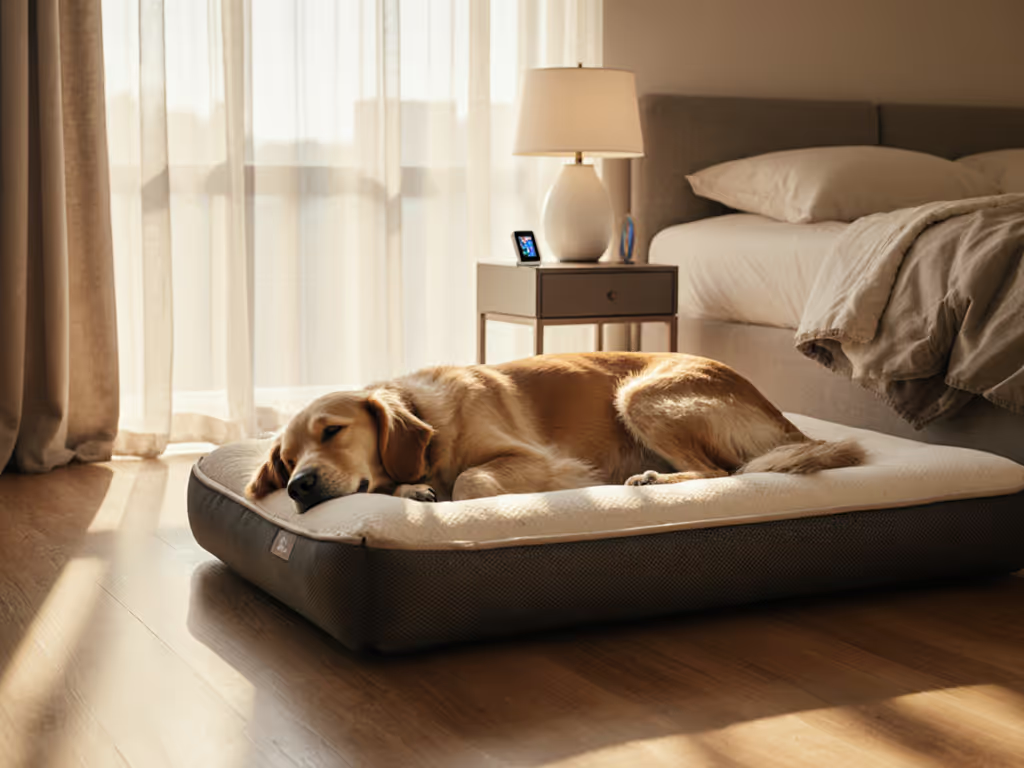
In this position, your dog lies on their side with legs extended, and it's the most common sleeping posture you'll see. Dogs adopt this pose when they feel safe and relaxed, with muscles fully at ease, allowing for deep sleep and dreaming.
What it means for bed selection: Side sleepers need space to sprawl. Bolstered edges, while cozy for other positions, actually constrain this posture and encourage the dog to abandon the bed. Instead, opt for a lower-profile platform or mat with ample surface area: measure your dog's nose-to-tail length, then add 12 inches in each direction. Fabric should be breathable (cotton-linen blends or performance synthetics that don't trap heat) and low-snag, since extended limbs are prone to snagging on loose weaves. A non-slip base is critical; side sleepers shift weight frequently, and a bed that slides around the room loses trust fast.
2. The Lion's Pose (Sphinx)
Your dog rests with their head on their paws, ears alert, front legs tucked, often with back legs at one side. This is a semi-alert position, not deep sleep. Dogs use it when they want to rest but remain ready to spring into action at a moment's notice.
What it means for bed selection: Lion's pose sleepers value vigilance and quick getaways. They typically occupy a smaller footprint and prefer a bed that doesn't engulf them. A firmer, higher-density foam (2.5 to 3 pounds per cubic foot) supports the forward-leaning posture without bottoming out. Bolstered edges here are actually beneficial; they frame the dog and provide a visual "marker" in the room. Match the bolster height to your dog's chest width so they can rest their chin comfortably. Choose durable, low-pile fabrics; these dogs often dig at the edge before settling.
3. The Superman Position
Your dog stretches belly-down with limbs fully extended, front legs forward, back legs stretched behind. This pose is widespread in puppies and high-energy dogs during daytime naps. It signals that your pup is tired but ready to play in a blink.
What it means for bed selection: Superman sleepers need generous, flat surface area and breathability. They tend to overheat in this posture (belly down on a cool floor is the goal). Select beds with open-cell or gel-infused foam that promotes airflow, and prioritize light-colored, moisture-wicking covers. Linen, cotton canvas, or breathable synthetic blends are ideal. The bed should be large enough that the dog never hangs off an edge; landing awkwardly disrupts the quick-nap cycle these dogs rely on throughout the day. Avoid memory foam in warm climates; it retains heat. If your pup runs hot, our best cooling dog beds roundup shows which models actually stay cooler.
4. The Donut (Curl)
Your dog curls into a ball with all limbs tucked close, sometimes with their nose nearly touching their hind legs and tail draped over their body. This posture keeps vital organs tucked and hidden. It often signals that your dog seeks to protect themselves while sleeping or is still adjusting to their environment, especially common in newly adopted or rescue dogs.
What it means for bed selection: Donut sleepers feel safer when contained. A bolstered, nest-style bed with higher sides or a bed placed in a corner (not center-room) reassures them. Thermal comfort matters too; this curled posture is often a temperature signal. Choose plush, insulating fabrics like microsuede or fleece-lined covers, and consider a bed with memory foam that molds around their tucked form. Edge support should be firm enough to support their curled weight without sagging. Placement logic is equally important: position this bed against a wall or bookshelf so the dog has visual security on multiple sides. Make the bed part of the room by treating it as an intentional nook, not an afterthought.
5. Belly Up (Back)
Your dog lies on their back with legs in the air. This position exposes their most vulnerable areas, which is why it's a profound sign of trust and comfort. Dogs in this posture feel safe and secure.
What it means for bed selection: Belly-up sleepers need space to sprawl vertically and a bed that supports their spine without pressure points. Choose a medium-density foam (2 to 2.5 pounds per cubic foot) that allows slight sink while maintaining spinal alignment. Breathability is critical, so ventilated or open-cell foams outperform dense memory foam. A flat, unsupported bed (or a bed with only light cushioning) often works best. Low bolsters are acceptable; full perimeter bolsters will feel confining. Color and fabric should complement your room's color story; a dog sleeping belly-up is fully visible, so this is a chance to match the bed to your rug or wall tone.
6. The Burrower
Your dog seeks out pillows, clothes, blankets, or spaces to sleep under. This posture signals a search for comfort and security, and may indicate a dog calming themselves down; studies have shown that gentle pressure helps ease nervous behaviors.
What it means for bed selection: Burrowers thrive with covered or enclosed options: raised beds with a canopy, pod-style beds, or even a bed tucked under a console table. Fabric choice is sensory, so soft, textured materials like faux fur or chenille are appealing. Cover removability is essential here; burrowers tend to dig and may accelerate wear, so choose a bed with a fully removable, machine-washable cover. A bed placed in a den-like spot (corner, alcove, or partially under furniture) will see more use than one in an open room. This is a rooms-as-systems choice: your dog's bed isn't floating in space, it's a refuge within the room's flow.
7. Back-to-Back Sleeper
Your dog sleeps directly against a person or leans their back against furniture. This position reveals attachment, affection, and a need for proximity. Some dogs with separation sensitivities cling more during sleep.
What it means for bed selection: These dogs often prefer a bed positioned adjacent to your sofa, bed, or a frequently used seating spot. A low-profile, slim-line bed that fits the footprint is ideal, think a 6 to 8-inch-tall platform rather than a chunky 12-inch cushion. Use durable, washable fabrics in neutral tones (they'll be close to your own textiles). Non-slip bases are non-negotiable; your dog will shift and lean, and a bed that slides away breaks the comfort loop. This is the position where fabric finish matters most: choose lint-resistant, low-pill options so your pet's bed doesn't leave fur all over your living room.
Connecting Sleep Position to the Right Bed: A Practical Framework
Decoding your dog's sleep patterns is only half the work. The next step is matching bed specifications to that position:
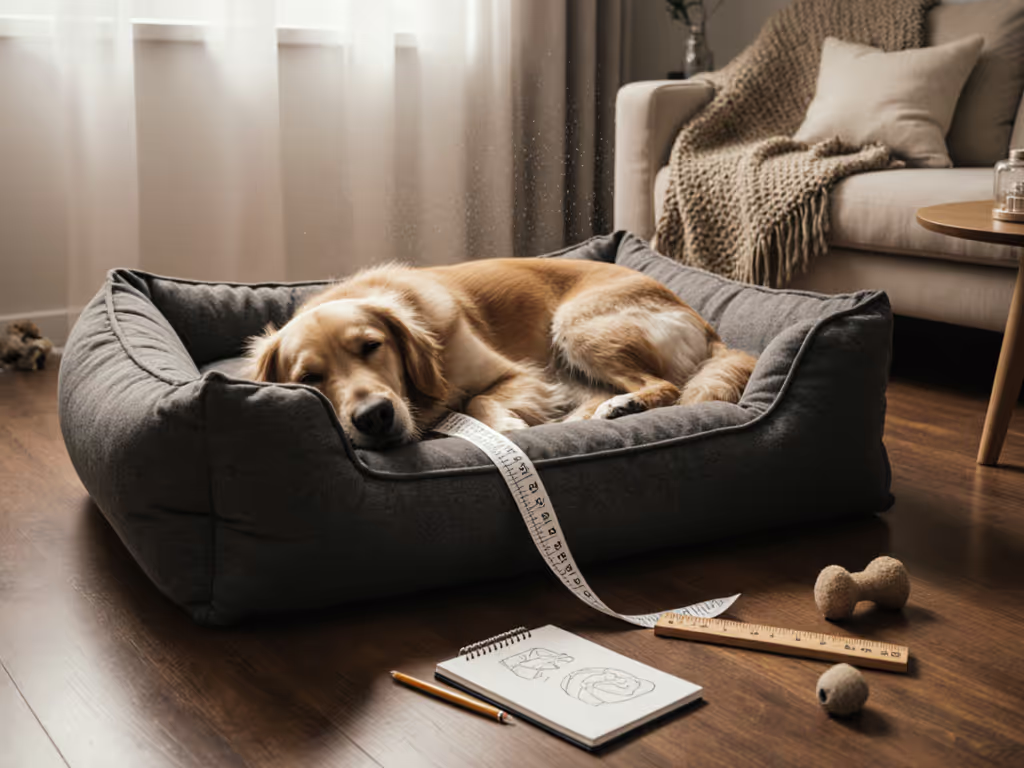
- Measure your dog's resting length (nose to tail tip while in their preferred position) and add 18 to 24 inches: this is your minimum bed depth.
- Assess traffic flow. Will the bed block pathways or sightlines? A bed that disrupts your room's function won't stay where it's placed.
- Match fabric to climate. Hot sleepers need breathable synthetics or open-weave cotton; cold sleepers benefit from insulating microsuede or fleece.
- Check foam density. Lighter dogs and curlers often prefer memory foam; heavier or side-sleepers need 2.5+ pounds per cubic foot to avoid bottoming out.
- Prioritize washability. A fully removable, machine-washable cover with a sealed or waterproof base liner is the only way to truly maintain a bed long-term; see our washable dog bed care guide for pro cleaning and odor control tips.
- Test stability. Spin the bed on your floor before purchase. Does it slide? Does it crease unevenly? A stable, flat base signals quality construction.
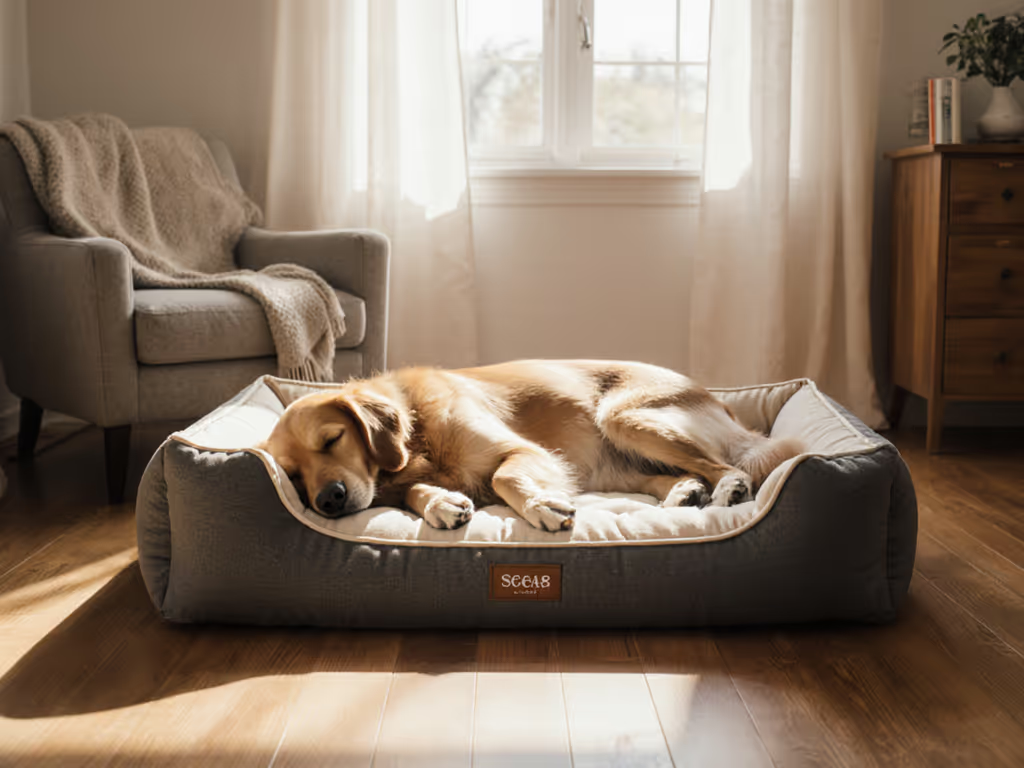
Once you align position to design, you'll notice the shift: your dog stops searching for alternatives, settles faster, and visibly relaxes. The bed stops being an accessory and becomes a genuine part of your home and your dog's daily rhythm.
Explore Further
Now that you can identify your dog's sleeping position and understand what it signals, take the next step: audit your current bed against these criteria. Measure your dog's actual resting dimensions, map your room's traffic flow, and list the three fabrics and foams that match their sleep style and climate. When you're ready to shop, use this framework as your checklist (not marketing copy, but physical specs and wear-testing data). Your dog's comfort and your peace of mind are worth the clarity.
Related Articles