
Chronic Pancreatitis Dog Beds: Comfort & Easy Care
By Priya Nandakumar • 27th Feb
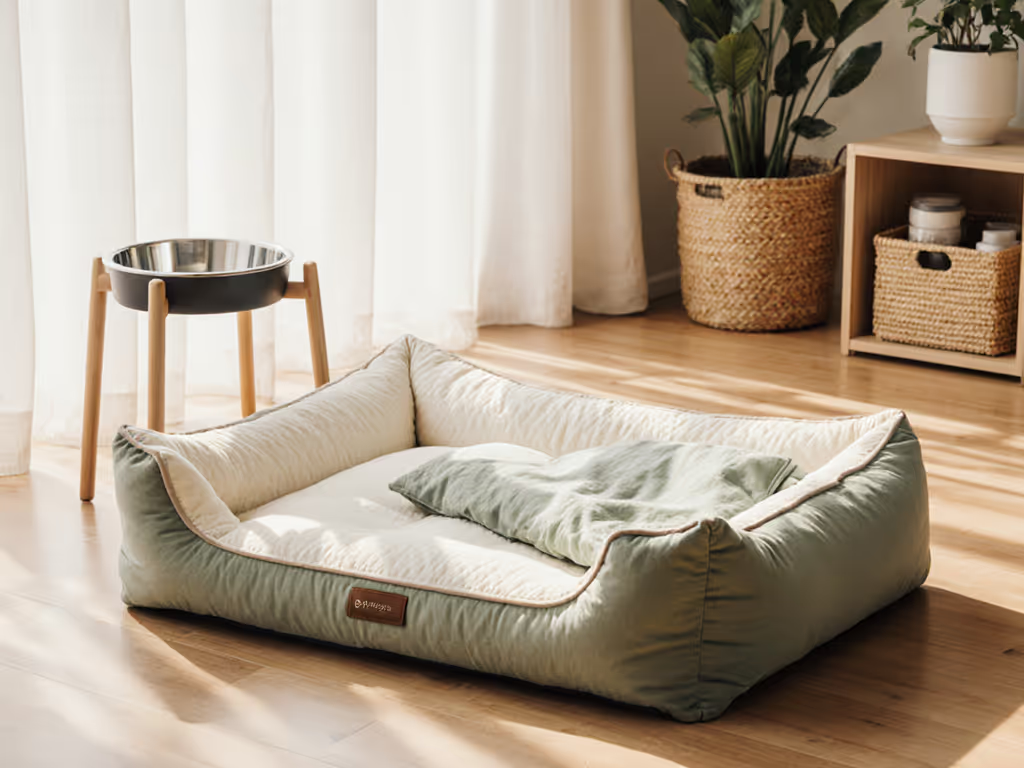
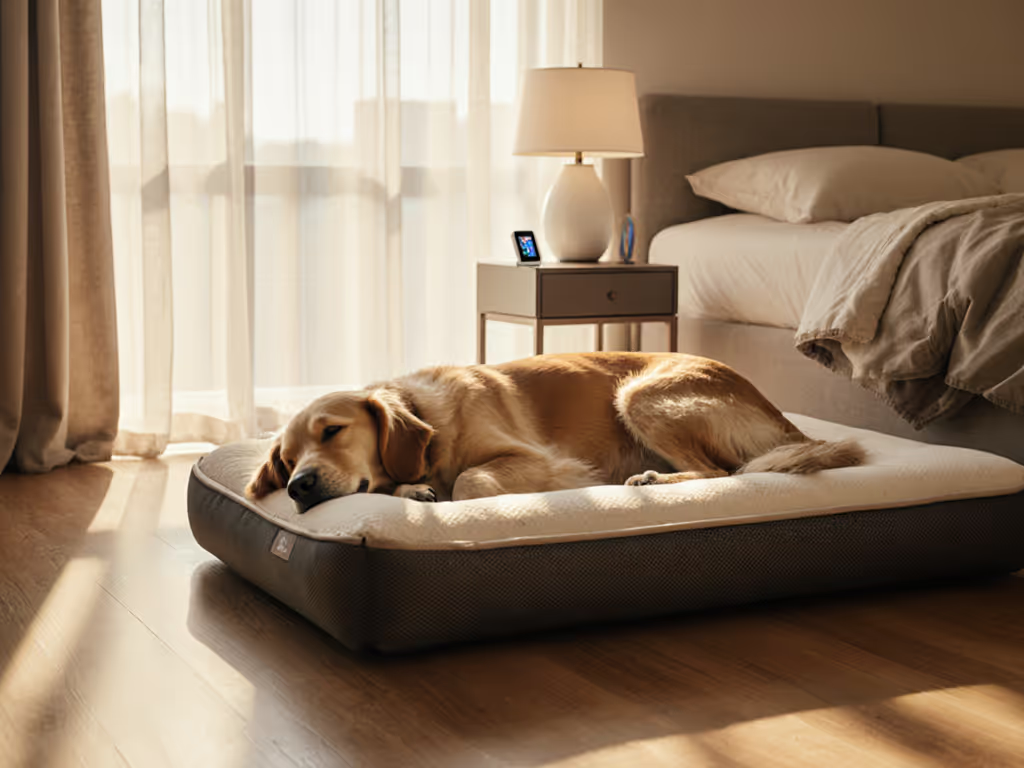
When your dog is diagnosed with chronic pancreatitis, comfort becomes a medical necessity, not a luxury. A chronic pancreatitis dog bed isn't merely where your dog sleeps; it is part of their long-term care plan. The right choice reduces stress on an inflamed pancreas, accommodates frequent monitoring, and withstands the realities of managing a digestive condition over months or years. Yet most pet parents choose beds the same way they'd pick a pillow for themselves: by feel alone. That's how you end up with a bed that flattens in six months, sheds fabric fibers into your dog's healing gut, or requires a full wash cycle every other day because it absorbs odors and marks from accidents.
Spend once, maintain smart, and skip the landfill... that philosophy is not indulgence when your dog's health is at stake. Let's dig into what actually matters.
What Makes a Bed Suitable for Dogs with Chronic Pancreatitis?
Chronic pancreatitis in dogs involves ongoing inflammation of the pancreas, typically managed with a low-fat diet, small frequent meals, pain medication, and close monitoring. Many dogs experience abdominal pain, reduced appetite, lethargy, and occasional vomiting. They spend a lot of time resting, and that rest needs to be as pain-free and stress-free as possible.
A suitable bed for this condition must address several realities:
- Firm, supportive comfort without excessive softness that sags and forces awkward posture
- Easy-to-clean surfaces, because accidents and digestive upset are part of the journey
- Non-toxic materials that won't irritate a sensitive gut (no off-gassing, minimal dust or allergens)
- Stable construction that doesn't shift or slide, which can stress an already uncomfortable dog
- Temperature regulation to prevent overheating, which can worsen nausea
- Replaceable covers or liners, so the core structure lasts years even if surfaces need frequent cleaning For material safety details, see our non-toxic dog bed safety guide.
The right bed accommodates not just comfort, but the medical reality of monitoring and maintenance that chronic illness demands.
How Do I Size a Bed for a Dog with Chronic Pancreatitis?
Sizing confusion is one of the most common reasons dogs avoid their beds. A dog with chronic pancreatitis needs extra consideration: they're often not moving around as much as a healthy dog, so they'll spend extended periods in the same spot. A bed that's too small forces them into an uncomfortable curl; too large, and they sprawl in a way that doesn't properly support their inflamed midsection.
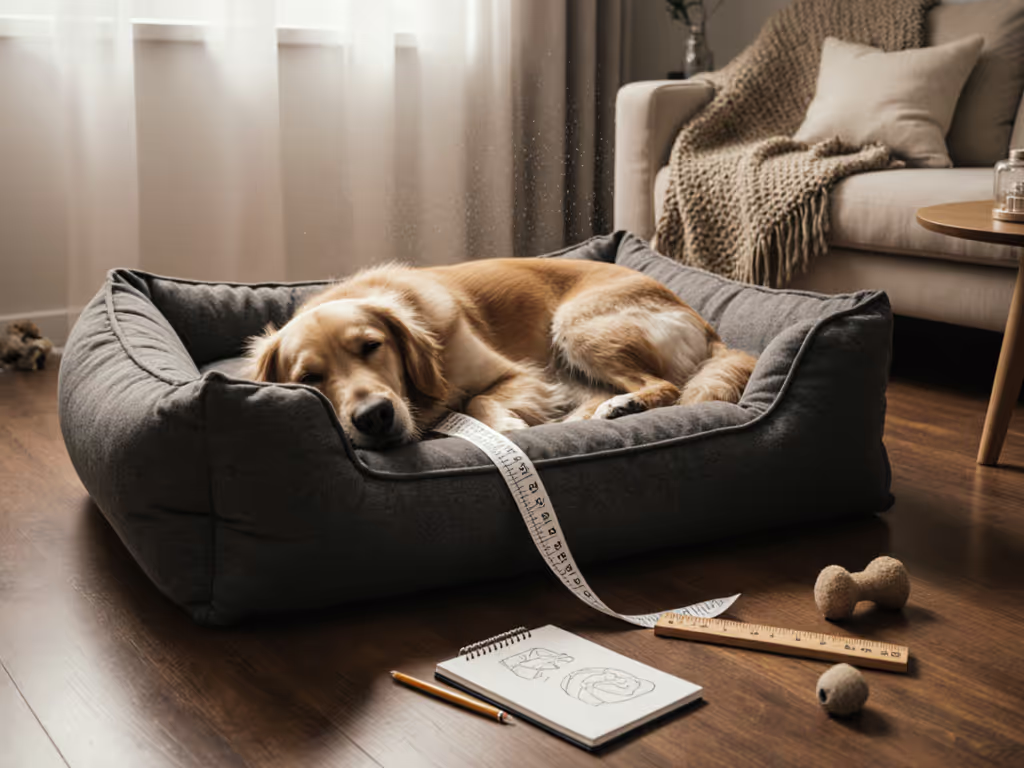
Start with measurement, not guesswork. Measure your dog from nose to tail base while they're stretched out in their preferred sleeping position (typically full extension for abdominal comfort). Add 4 to 6 inches for a true length, ensuring their head can rest without dangling. Use our step-by-step dog bed sizing guide to measure accurately for full-body support. Width should allow them to shift side-to-side without half their body on the floor.
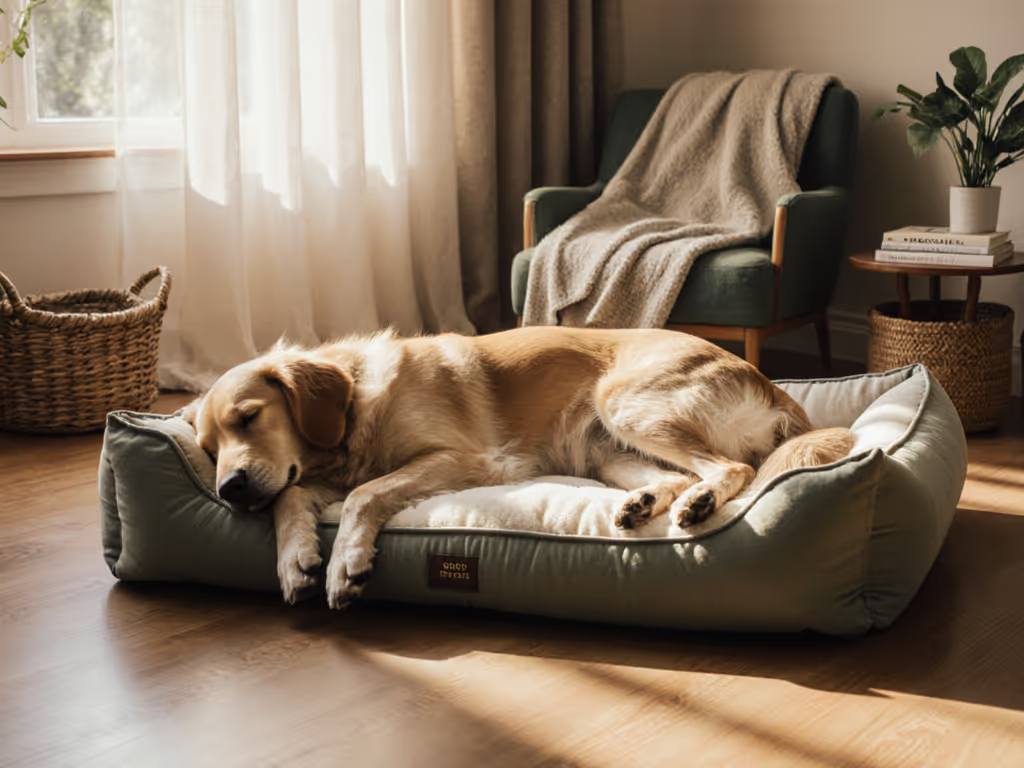
For dogs with chronic pancreatitis, a bolstered or raised-edge bed is particularly useful: the edges provide a gentle anchor point and prevent them from feeling like they're sinking into discomfort. However, avoid overly tall bolsters that shrink the usable sleeping surface or create a corral effect, which can feel trapping to a dog already anxious about their condition.
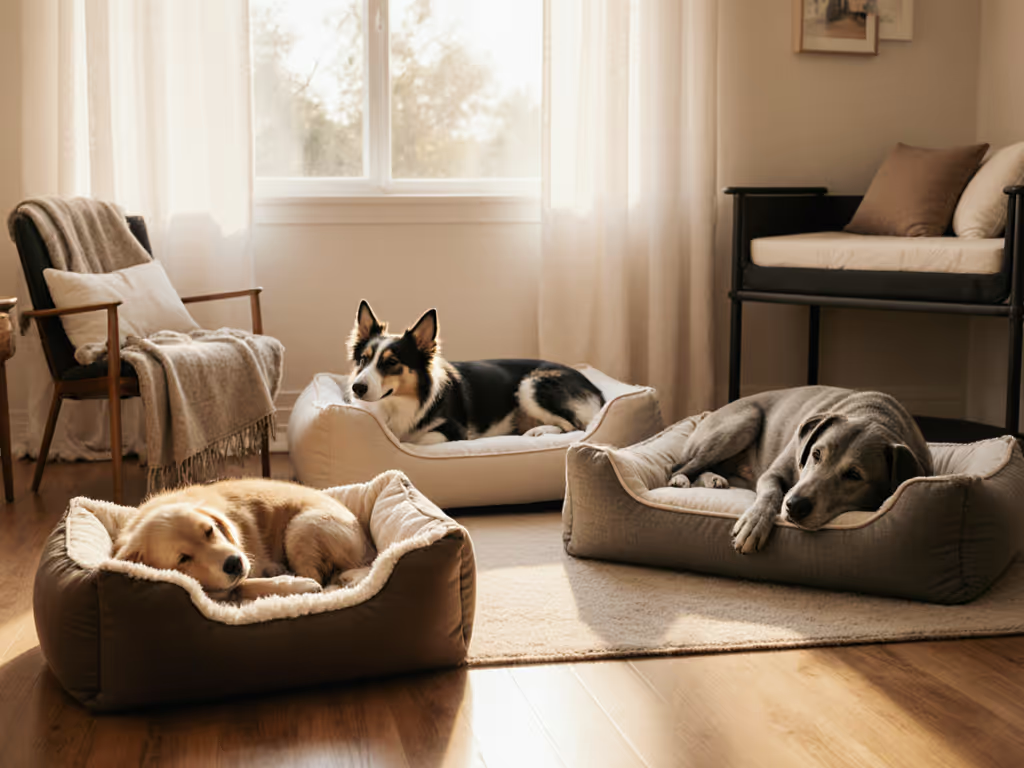
Measure your space too. A bed that dominates a room or slides around on hardwood creates ambient stress. A stable, proportionate bed that fits your home's layout is one less source of friction during an already demanding time.
Why Is Machine-Washable, Removable Coverage So Critical?
This is where total-cost-of-ownership thinking separates a practical choice from a regrettable purchase. Dogs with chronic pancreatitis may have occasional vomiting, diarrhea, or accidents as their condition fluctuates or as medications are adjusted. Some dogs also experience anxiety-related marking. A bed with a permanently attached cover means the entire structure needs industrial cleaning or hand-scrubbing, which is both time-consuming and often ineffective at truly ridding the foam of odors.
A fully removable, machine-washable cover (ideally warm or hot-water safe, to kill lingering bacteria) lets you:
- Wash covers weekly or as needed without disrupting your dog's core resting space
- Dry covers quickly in a dryer, eliminating moisture that harbors odors and mites
- Extend the life of the foam core, which stays protected and clean
- Replace just the cover if it wears, instead of replacing the entire bed
Look for covers made from performance fabrics: tightly woven, pill-resistant, and designed to shed hair easily. Avoid loose knits or velour that trap fur and absorb liquids deeply. Some beds include a waterproof liner between the cover and foam. Our lab-tested roundup of waterproof dog beds shows which liners actually block leaks and odors. This is a genuine quality marker, not a gimmick. It prevents accidents from soaking into the foam core, which is often irreversible and becomes a smell-and-mold issue within months.
What Foam Density and Support Actually Last?
Foam that compresses after a few months of use is a false economy. A dog resting 18 to 20 hours a day (common with chronic pancreatitis) will break down low-density foam quickly, especially if the dog weighs 50 pounds or more. Compressed foam no longer provides the support needed to ease abdominal pain or joint strain from prolonged rest.
Measure durability by retention, not brand name. Industry standards indicate that quality orthopedic foam (typically rated 1.5 to 2.0 pounds per cubic foot) should retain at least 65% of its original loft after 80,000 compression cycles (a fact confirmed by independent testing standards in the bedding industry). Manufacturers who share compression-test data or third-party certifications (such as CertiPUR-US certification) are being transparent about what they're selling.
For a dog with chronic pancreatitis, a medium-firm memory foam or high-density polyurethane core will maintain support over 3 to 5 years of daily use, whereas low-density alternatives flatten noticeably within 12 to 18 months. The price difference is often modest ($50 to $100 on a mid-range bed), but it translates to years of difference in comfort and usable life.
Should I Worry About Temperature in Bed Choice?
Many dogs with chronic pancreatitis experience nausea, and overheating exacerbates it. Additionally, if your dog is on anti-inflammatory medications or spending more time indoors and resting, they're more sensitive to being too warm.
Fabric choice directly impacts temperature. Memory foam holds heat; a bed with a memory foam core and a thick, insulating cover will trap warmth. If your climate is warm or your dog tends to overheat, seek beds with:
- Breathable covers (cotton, linen, or performance blends designed for airflow)
- Gel-infused or cooling-layer options
- Raised or slatted designs that allow air circulation beneath
In cooler climates or for dogs that naturally run cold, a plush cover and standard memory foam may be ideal. The key is intentional matching, not hoping a generic bed works for your dog's specific needs. If overheating is an issue, compare our best cooling dog beds to find breathable, heat-dissipating designs.
How Do I Know If a Bed Will Actually Stay Put?
A bed that slides across hardwood or creaks when your dog shifts position adds stress to an already anxious, uncomfortable dog. Non-slip bases (often rubber or neoprene) prevent sliding and reduce noise. Reinforced stitching and sturdy zippers that won't separate mid-wash are quality markers, not unnecessary details. A dog with chronic pancreatitis will benefit from a bed that feels solid and stable (it is part of the psychological ease that supports recovery).
What's the Real Cost of Ownership Over Time?
A $400 bed with replaceable covers and proven durability over 4 years costs roughly $100 annually. A $120 bed that flattens in 18 months and goes to the landfill costs $80 per year in replacements, plus the hassle of frequent shopping and the guilt of waste. When you factor in the time spent washing, the risk of poor cleaning leading to odor and mold, and the stress of choosing again and again, the durability choice wins on every metric that matters: cost, time, environmental impact, and your dog's actual comfort.
Actionable Next Steps
Before purchasing a bed for your dog with chronic pancreatitis:
- Measure your dog's resting length and your available floor space, then list those dimensions.
- Identify your climate and your dog's temperature tendency (overheats easily, or runs cold).
- Check for compression/loft retention data and manufacturer warranties on any bed you're considering; transparency here signals confidence in durability.
- Verify that covers are machine-washable and removable, and that replacement covers are available for purchase separately.
- Read long-term reviews (beyond 6 months) from pet parents managing chronic conditions, not just casual users.
- Calculate cost per year over an expected 3 to 5 year lifespan, comparing beds side-by-side; the lowest list price often isn't the lowest true cost.
Your dog's chronic pancreatitis requires vigilance, compassion, and smart choices. A thoughtfully selected bed, one built for durability, easy maintenance, and genuine comfort, is a concrete way to support their healing while respecting your own time and resources. That's not an indulgence. That's informed care.
Related Articles