Heated vs. Cooling Dog Beds: Technologies Compared
By Mateo Álvarez • 28th Apr
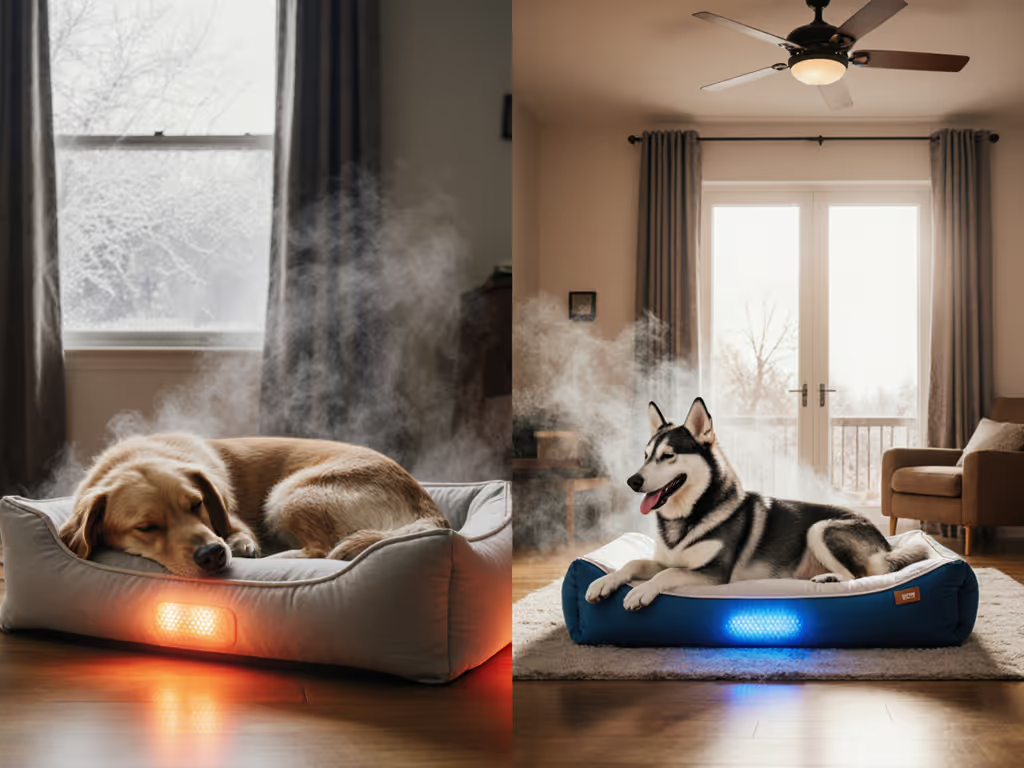
Choosing between a dog bed heated for winter comfort and a cooling dog bed for summer relief often feels like opposite problems, but both hinge on one simple principle: the right material in the right place, matched to your climate and your dog's sleep style. Whether your dog shivers through cold months or restlessly pants through summer nights, understanding how each technology works helps you pick what your dog actually needs.
I've helped countless dog parents chase comfort through the seasons, and I've learned that most sleep struggles solve themselves once you match the bed's thermal properties to both your climate and your dog's unique temperature preference. Let me walk you through the core technologies, what makes each work, and how to choose without guesswork.
What Are Heated and Cooling Dog Beds, and How Do They Differ?
Understanding Heated Dog Beds
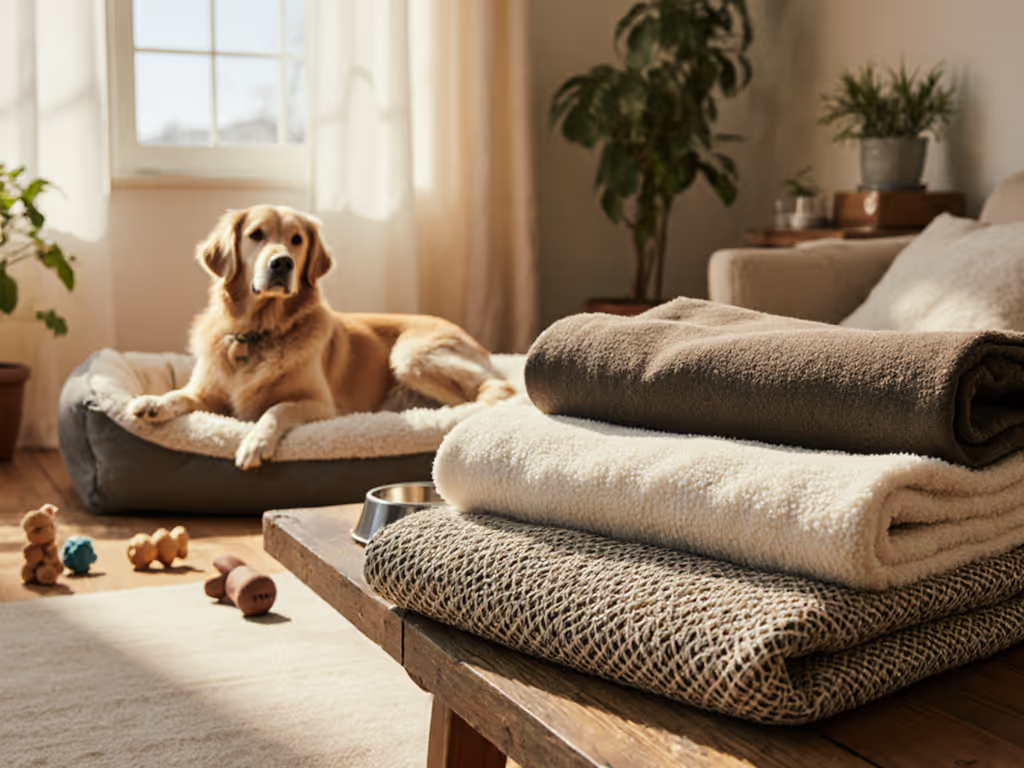
Heated dog bed options typically fall into two categories: active heating (electric mats with thermostat control) and passive insulation (plush, insulated fabrics that trap and reflect your dog's own body heat back to them).
Active heated beds plug in and warm via low-wattage heating elements (safer than human heating pads because they're designed for pet use and often include auto-shutoff features). Passive heated beds rely on dense foam, fleece, or wool to absorb your dog's warmth and prevent heat loss. Many dogs, especially seniors and those with joint pain, find passive warmth deeply soothing because there's no electric element, no cord to worry about, and no risk of overheating.
Understanding Cooling Dog Beds
A cooling dog bed uses one of several proven technologies to actively draw heat away from your dog's body:
- Gel-infused memory foam absorbs and disperses body heat without needing water or electricity
- Water-filled mats use water's natural temperature regulation to stay cool longer
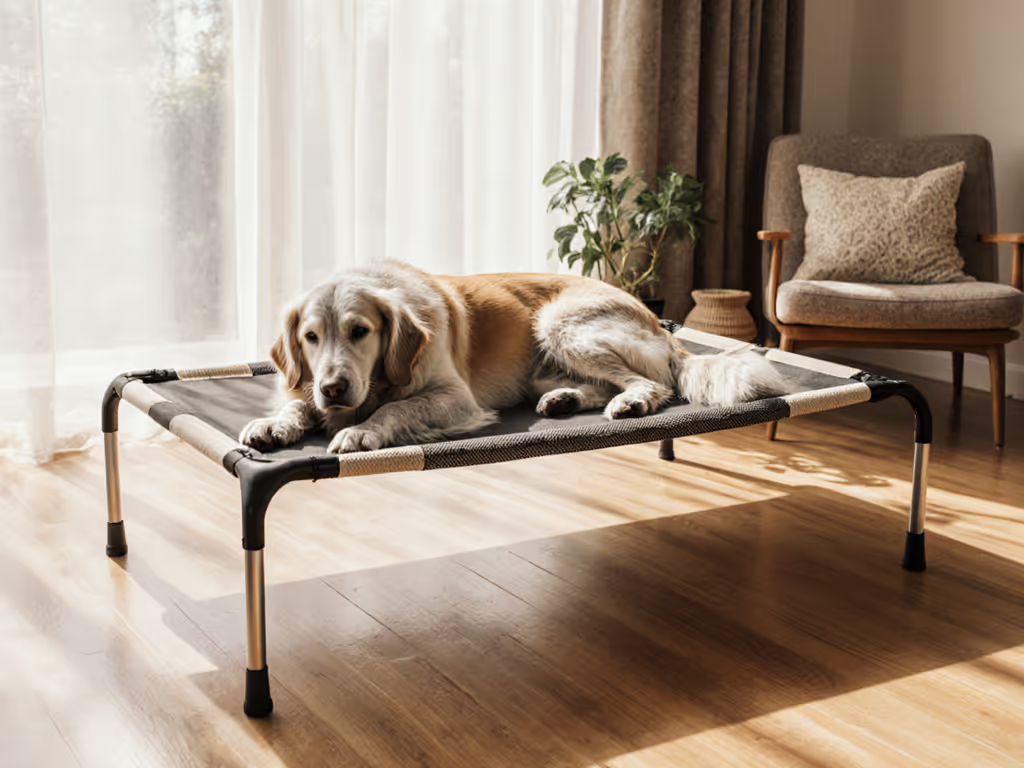
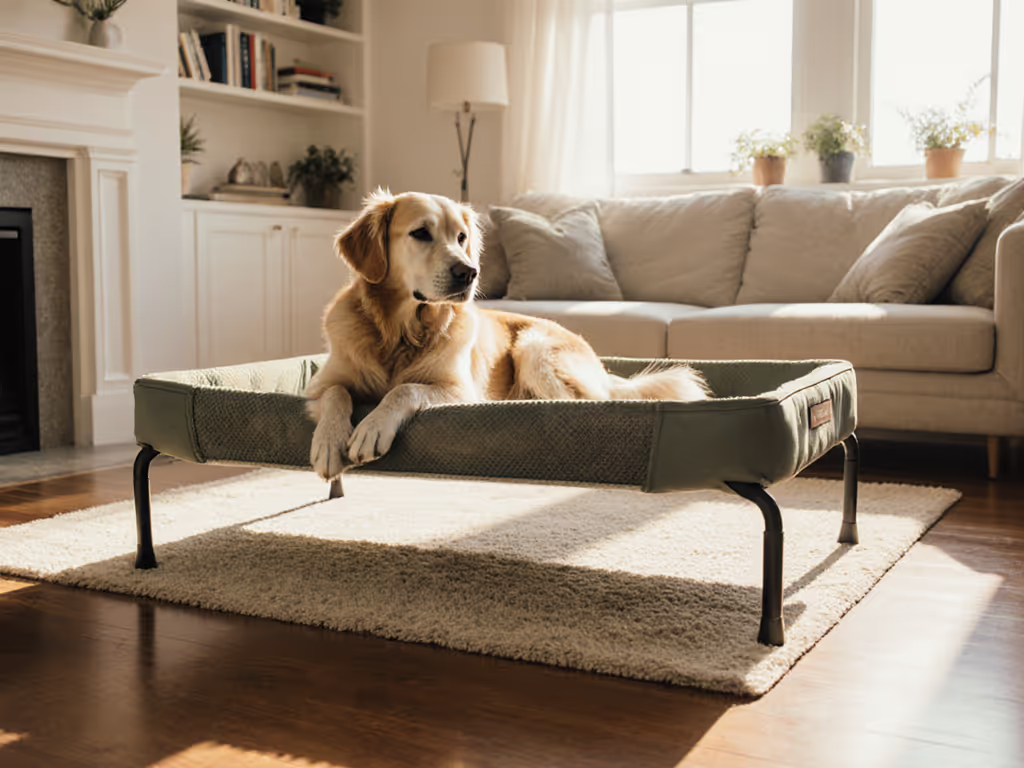
- Elevated cot-style beds allow air circulation underneath, preventing heat from pooling
- Evaporative fabric absorbs moisture and creates a cooling effect through airflow
- Electric cooling mats use a powered system for consistent active cooling
Most cooling beds are pressure-activated, meaning they cool best when your dog is lying on them. They work by breaking the cycle of trapped heat (the enemy of comfortable sleep in warm climates).
FAQ: Core Questions Dog Parents Ask
Which Technology Is Safer for My Dog?
Both are safe when chosen correctly, but context matters. Water-filled and evaporative cooling beds, plus elevated cot-style beds, are your safest bets because they rely on passive airflow or water (no electric elements to malfunction). Gel-filled beds are safe too, though some contain synthetic materials; if your dog is a chewer, confirm the gel is non-toxic and the cover is reinforced.
For heated beds, passive insulation is inherently safest (no electricity, no temperature extremes). If you choose an active electric heated bed, verify it has a thermostat and auto-shutoff to prevent overheating, and keep cords out of reach. For a deeper checklist on materials and certifications, see our non-toxic dog bed safety guide.
The core safety rule: Start simple, fit the climate, and choose materials matched to your dog's size, sleep style, and your home's setup.
Do I Really Need a Cooling or Heated Bed, or Is This Just Marketing?
No, this isn't marketing fluff. Temperature regulation directly impacts sleep quality and health. Older dogs and large-breed dogs retain heat more efficiently, meaning they overheat faster in summer and chill faster in winter. Dogs prone to joint stiffness sleep longer and wake less restless on temperature-appropriate bedding. And yes, some dogs simply prefer cool surfaces in summer (sprawlers love airflow) while others burrow into warmth in winter.
But here's the nuance: not every dog needs a specialized bed. Some do fine on a breathable cotton pad year-round. Start by observing your dog's behavior. Does she pant at night? Does he move to tile or the hardwood floor to cool down? Does she burrow under blankets or curl tightly? These patterns tell you whether thermal support would genuinely improve her sleep (or whether you can skip it).
What's the Difference Between "Thermal Efficiency" and Just a Regular Padded Bed?
Dog bed thermal efficiency testing measures how well a bed maintains its temperature and resists heat loss or buildup. For a side-by-side analysis of heating and cooling methods, see our heating vs cooling tech comparison. A thermally efficient heated bed keeps warmth in; a thermally efficient cooling bed keeps heat moving out.
A regular padded bed does neither reliably, as it may trap heat (bad in summer) or lose warmth too quickly (bad for seniors in winter). Thermal efficiency is built into the foam density, fabric choice, and design. Gel-infused memory foam actively disperses heat. An elevated cot design actively promotes airflow. A dense wool or fleece insulated bed actively traps warmth. Regular padding is neutral, meaning it doesn't work for you or against you.
What About Phase-Change Material Dog Beds?
Phase-change material dog beds use advanced fabrics that absorb excess heat when your dog warms up, then release it when the environment cools, adapting automatically to temperature swings. These are excellent for dogs who experience variable climates or if you move between heated indoor spaces and cool outdoor areas. They're more premium than standard gel or water beds, but for dogs with unpredictable sleep patterns or homes with fluctuating temperatures, they solve a real problem.
Choosing by Climate and Season
Hot Climates: What to Prioritize
If you live in a warm climate year-round, prioritize cooling dog bed options with active heat dissipation:
- Elevated cot-style beds for maximum airflow underneath
- Gel-infused memory foam with a breathable fabric cover
- Evaporative mats that wick moisture away
- Light, neutral-colored fabrics that don't absorb solar heat
Placement matters enormously. Get room-by-room tips in our optimal dog bed placement guide. Position the cooling bed in the coolest part of your home, away from windows with direct sun, away from heating vents, and near (but not directly in front of) a fan. A low hum of air circulation can be deeply soothing; I've seen nervous rescue dogs who paced and panted shift to deep sleep once their bed moved from a hot doorway to a quiet wall corner with soft airflow and a breathable cotton surface instead of heat-trapping plush.
Cold Climates: What to Prioritize
In cold regions or winter months:
- Passive insulated beds with dense, warm fabrics (wool, fleece)
- Raised sides or bolsters to trap warmth and provide a cozy nest
- Placement away from drafts and exterior walls
- Consider pairing with a breathable cover (avoid plastic or heavy vinyl that blocks airflow and traps moisture)
Seniors especially benefit from warmth that reduces joint stiffness. A simple heated bed placed in a quiet, draft-free corner often means fewer overnight potty breaks and better mobility in the morning.
Temperate/Variable Climates: What to Prioritize
If your climate shifts seasonally:
- Look for phase-change material dog beds or beds with removable cooling toppers
- Choose breathable, mid-weight fabrics that adapt
- Consider a modular setup: a basic pad you can layer with a cooling gel topper in summer or swap for a fleece cover in winter
- Placement near a window (but not direct sun) gives you flexibility to open it in warm months and close it in cold ones
Material Differences That Matter
Foam Types and Thermal Performance
- Standard polyurethane foam: neutral thermal properties, budget-friendly, can compress quickly
- Memory foam: conforms to body shape, moderate heat retention, heavier
- Gel-infused memory foam: actively disperses heat, stays cool to the touch, pricier but excellent for hot sleepers
- Orthopedic foam: denser, maintains loft longer, supports joints, works well paired with gel topping for cooling or insulation for warmth
Fabric Choices and Breathability
- Cotton: breathable, cool to touch, machine-washable, hypoallergenic (the gold standard for most climates)
- Fleece: warm, soft, traps heat, less breathable
- Wool: naturally temperature-regulating, durable, hypoallergenic
- Synthetic blends: vary widely; check the label for breathability ratings
- Polyester microsuede: soft, durable, less breathable than cotton
Choose breathable fabrics if you're in any doubt about your climate. I've rarely seen a dog harmed by too much airflow, but I've seen plenty of restless nights from trapped heat.
Practical Checklist: How to Choose
Step 1: Assess Your Climate
- Average summer high temperature
- Average winter low temperature
- Humidity level (high humidity amplifies heat stress)
- Your home's typical indoor temperature range
Step 2: Observe Your Dog
- Does she seek cool surfaces (tile, hardwood) in summer?
- Does he curl up and burrow in winter?
- Is he a sprawler (needs airflow) or a burrower (needs nesting)?
- What's his age and breed? Seniors and large breeds have higher thermal needs.
Step 3: Choose the Right Technology
- Hot climate + sprawler: elevated cooling cot or gel-infused bed
- Cold climate + senior: passive insulated bed with bolsters
- Variable climate + active dog: phase-change material or modular setup
- Temperate + uncertain: breathable cotton with mid-weight foam; adjust placement seasonally
Step 4: Test Placement
- Coolest spot in your home (away from sun, heat vents)
- Quiet corner (away from traffic or doors that create drafts)
- Away from electronics that emit heat
- Accessible but not in high-traffic zones
Step 5: Introduce Gradually
- Place the bed in the chosen spot and leave it for a few days before expecting your dog to use it
- Use a simple placement cue: "Go to bed" followed by a reward
- Don't force it; curiosity and comfort drive adoption
Key Takeaways
Heated dog beds are essential for seniors, cold-sensitive breeds, and harsh winter climates. Passive insulation is safest and often most effective.
Cooling dog beds matter in hot climates and for dogs who overheat (sprawlers, large breeds, and high-energy dogs who sleep poorly without temperature relief).
Both work best when paired with smart placement and breathable fabrics. A cooling bed in a sunny window loses its advantage; a heated bed in a drafty corner won't warm your dog. Materials matter as much as technology (breathable fabrics keep your dog safe year-round).
Start simple, fit the climate, and watch your dog's sleep transform.
Your Next Step: Create a Climate + Comfort Plan
- Identify your dog's thermal preference over the next week by noting where she naturally settles in your home at different times of day and season.
- Measure your dog's length and typical sleep position (curled, sprawled, burrowed) to size correctly.
- Choose one technology (heated or cooling) that matches your climate and your observation. Don't choose both unless you have two beds for seasonal rotation.
- Position the bed mindfully: cool spot in summer, draft-free corner in winter, quiet area always.
- Introduce it slowly with a placement cue, reward consistency, and give it at least two weeks before deciding if it's working. Most dogs need time to adopt a new sleep spot (and that's normal).
Your dog's comfort isn't complicated. The right temperature, the right material, and a reliable routine solve most sleep struggles. Start there, stay consistent, and you'll see deeper, longer sleep and less restlessness. That's worth the small, thoughtful effort upfront.
Related Articles